
Legal battle over California`s strict auto-pollution rules impacts Tesla and traditional automakers. Will state or federal regulations prevail? Find out now.
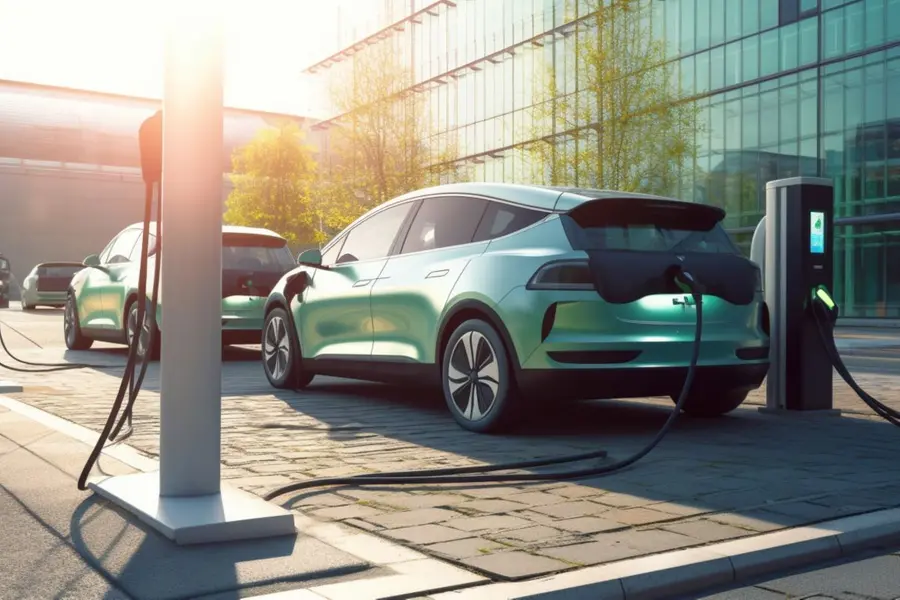
Los Angeles: A high-stakes legal battle between the Trump administration and the state of California over vehicle emissions standards is nearing a decisive phase, with significant implications for electric vehicle (EV) makers such as Tesla and traditional carmakers reliant on petrol and diesel models.
According to Reuters, California is challenging an unusual move by congressional Republicans to revoke a long-standing federal waiver that allows the state to set its own auto-pollution rules. A federal court hearing is scheduled in Oakland, California, on Thursday.
California EV mandate vs Trump’s anti-EV policy
California aims to mandate that 100 per cent of new vehicles sold in the state be electric or zero-emission by 2035, with phased targets already due to begin. Eleven other states have adopted California’s clean car standards, together accounting for nearly 29 per cent of US new-vehicle sales, according to S&P Global Mobility data cited by Reuters.
In contrast, President Donald Trump has dismantled federal EV incentives in his second term, including ending a $7,500 EV subsidy and removing penalties for automakers failing to meet fuel-efficiency standards. The Environmental Protection Agency (EPA) has also overturned an Obama-era finding that greenhouse gases endanger public health — a cornerstone of US vehicle-emissions regulation.
If California prevails, automakers could be forced to comply with two opposing regulatory regimes: a pro-EV framework in California and aligned states, and a federal policy easing emissions standards. If the administration succeeds, traditional carmakers may face reduced pressure to scale EV production in those markets.
Also read| Elon Musk set to be world’s first trillionaire? Tesla CEO’s net worth at $850 billion
Dispute over California emissions waiver
For decades, California has set stricter vehicle-emissions standards under a waiver granted by the EPA under the 1967 Air Quality Act. The state has received more than 100 such waivers from administrations of both parties.
According to Reuters, Republicans moved to cancel the waiver using the Congressional Review Act, arguing it qualifies as a “rule” subject to reversal. California’s lawsuit contends that waivers are not rules but case-specific determinations, and therefore cannot be overturned through that mechanism.
The Government Accountability Office previously concluded that such waivers are not rules under the Act, Reuters reported. However, congressional Republicans proceeded with the repeal, prompting California to file suit the same day the legislation was signed in June.
Automakers caught in regulatory uncertainty
Industry groups warn that conflicting state and federal emissions standards could create operational and financial strain. The Alliance for Automotive Innovation has argued that dual compliance regimes would limit consumer choice and disrupt production planning.
Automakers have already taken an estimated $55 billion in writedowns on EV investments since Trump’s re-election, Reuters reported, as shifting federal policy complicates long-term manufacturing strategies.
Legal experts say the case presents largely untested constitutional and administrative law questions, adding to uncertainty for the US auto industry.
California’s Air Resources Board (CARB) has informed automakers they may choose whether to comply with its updated EV sales targets for now, but warned penalties could apply retroactively if the state wins in court. EVs accounted for 21 per cent of California’s new car sales last year, slightly lower than the previous year, raising questions about the feasibility of the 2035 target.
Wider implications for US EV policy
The outcome of the California emissions waiver case could reshape US climate policy, EV adoption targets and the regulatory landscape for the automotive industry.
While federal policy currently eases pressure on fossil-fuel vehicle production, global markets — including China and Europe — continue tightening emissions standards, reinforcing the long-term strategic importance of EV investment.
The court’s ruling is expected to determine whether California retains its authority to drive stricter clean vehicle mandates or whether federal rollback efforts will prevail.
Published: 19 Feb 2026, 05:43 pm IST
Disclaimer: Kindly avoid objectionable, derogatory, unlawful and lewd comments, while responding to reports. Such comments are punishable under cyber laws. Please keep away from personal attacks. The opinions expressed here are the personal opinions of readers and not that of Mathrubhumi.
