Last US aircraft carrier leaves Asia; Trump focuses on Iran war
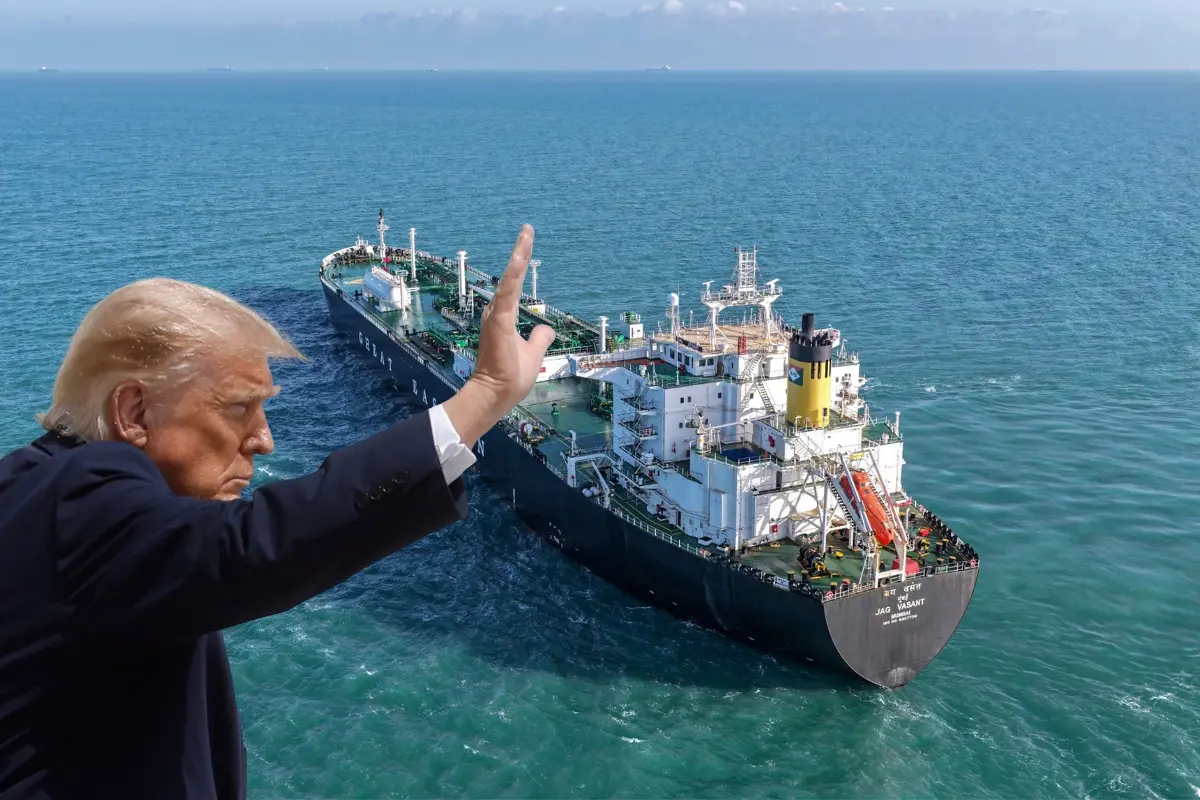
The United States is pulling its last aircraft carrier from the western Pacific as the Trump administration continues to deploy naval resources towards the Iran war, raising concerns among US allies in Asia and creating an opportunity for China to demonstrate its military strength.
The USS George Washington is leaving the Pacific and is expected to replace the USS Abraham Lincoln in the Middle East.
The Lincoln's deployment has already been extended beyond its planned May return as it supports US military operations against Iran. The prolonged deployment has raised concerns about the wellbeing of its crew, including mental health, rest and supply issues.
The temporary absence of a US aircraft carrier in the Pacific could be relatively short-lived if the Navy sends another carrier to the region within the next few months. However, analysts say the move highlights the strain that the prolonged Iran conflict is placing on America's carrier fleet.
China benefits from US focus on Iran
The US military shift comes as China has increased military activity around the western Pacific.
China conducted naval exercises with Indonesia this week and has recently demonstrated military strength near areas involving Japan and the Philippines, both important US allies.
Beijing also conducted military drills near Scarborough Shoal in the South China Sea this month. China and the Philippines both claim the disputed feature.
A Chinese guided-missile destroyer also conducted a live-fire exercise near Japan's southernmost island of Okinotori last month.
Analysts said the absence of a US aircraft carrier does not mean China is likely to invade Taiwan. However, it could give Beijing an opportunity to project greater power and question the reliability of the US security presence among regional allies.
US allies seek reassurance
US officials have attempted to reassure allies that Washington remains committed to the region.
Adm. Frank Bradley, head of US Special Operations Command, visited Manila and said American special operations forces were prepared to expand joint exercises with the Philippines. He is also expected to travel to Japan.
Bradley said the United States retains the ability to project military force globally and would redeploy resources once the situation in the Middle East is addressed.
The temporary absence of an aircraft carrier nevertheless adds to concerns among some allies that Washington is increasingly distracted by the Iran conflict.
Carrier fleet faces mounting pressure
Trump has relied heavily on aircraft carriers during his second term.
The USS Gerald R. Ford returned home in May after an 11-month deployment, the longest since the Vietnam War. During that deployment, it supported US military operations involving Iran and the capture of Venezuela's then-leader, Nicolás Maduro.
The carrier also suffered a fire in a laundry area that forced it to return to the Mediterranean for repairs and left hundreds of sailors without sleeping quarters.
Meanwhile, the USS Abraham Lincoln has spent more than 240 consecutive days at sea, a record for the carrier.
Democratic lawmakers have called for investigations and greater scrutiny of conditions aboard the ship.
Crew fatigue becomes a concern
Experts say prolonged deployments can affect the physical and psychological wellbeing of sailors.
Robert Farley, who teaches national security and diplomacy at the University of Kentucky, said insufficient rest can affect a crew's ability to operate efficiently over extended periods.
The pressure on the carrier fleet could increase further if the Navy deploys the USS Theodore Roosevelt from San Diego to the Middle East. That could allow the George Washington to eventually return to the Pacific, but it would also put additional pressure on the Navy's carrier schedule.
Maintenance could become a long-term problem
The US Navy has 11 aircraft carriers and generally deploys two or three at a time.
Defence analyst Bryan Clark said the prolonged Iran war could create a maintenance backlog because carriers require extensive servicing after lengthy deployments.
The United States has only two shipyards capable of maintaining its aircraft carriers. If several ships require maintenance at the same time, the Navy could face a bottleneck and reduced carrier availability in the coming years.
Are aircraft carriers still the best option?
The pressure on the carrier fleet has also revived questions about the future role of large aircraft carriers.
Michael Swaine of the Quincy Institute said carriers could be increasingly vulnerable to drones and missiles, particularly against a major military power such as China.
Other naval assets, including smaller ships and submarines, could potentially provide some of the capabilities traditionally associated with carriers.
US Navy leadership has also indicated interest in reducing its reliance on the largest carriers and using smaller ships and other military assets more frequently.
Analysis: What the carrier shift means for the Pacific
The deployment highlights a growing strategic tension for the Trump administration: sustaining military operations against Iran while maintaining US deterrence in the Indo-Pacific.
The western Pacific remains strategically important because of China's growing military capabilities, tensions around Taiwan and territorial disputes involving Japan and the Philippines. A prolonged US focus on the Middle East could therefore create concerns among Asian allies even if Washington intends the carrier withdrawal to be temporary.
For China, the situation provides an opportunity to demonstrate that it can operate more assertively while US resources are concentrated elsewhere. It does not by itself indicate an imminent conflict over Taiwan, but sustained reductions in US military presence could affect perceptions of American deterrence.
The episode also exposes a broader limitation of US military power: even with 11 aircraft carriers, prolonged deployments can create crew fatigue, equipment problems and maintenance backlogs. If the Iran war continues for an extended period, Washington may face difficult choices over how to balance commitments in the Middle East, the Indo-Pacific and the Western Hemisphere.