
The 1969 “radioactive chapati” experiment in Coventry has resurfaced as a major ethical controversy, with renewed calls for accountability over how South Asian women were involved without clear informed consent.
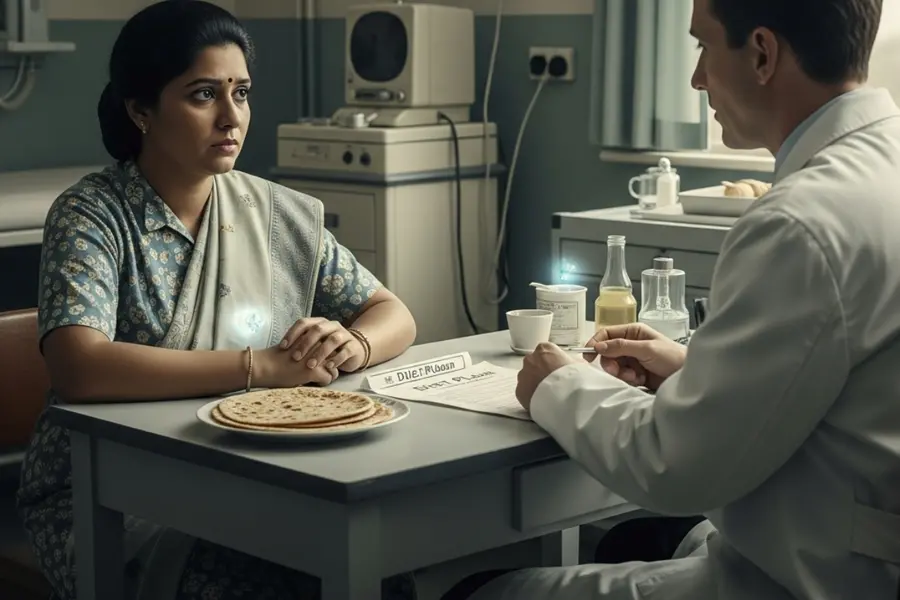
Imagine following a doctor’s advice, believing you are simply being guided on a routine diet to improve your health, only to later discover that the food you consumed was part of a research experiment involving a radioactive substance, and that your participation was never clearly explained or properly documented. This unsettling possibility captures the core controversy surrounding the 1969 Coventry study, where questions about transparency, informed consent, and the awareness of participants have continued to overshadow the scientific intent of the research.
The 1969 Coventry study, funded by the UK’s Medical Research Council (MRC) and led by Professor Peter Elwood, was conducted to understand how the human body absorbs iron. At the time, iron-deficiency anaemia was a widespread health concern, particularly among migrant populations whose diets differed from those typically studied in the UK. The research aimed to provide scientific insights that could help improve nutritional understanding and medical treatment.
Also Read

Study design and methodology
The study involved 21 South Asian women, predominantly of Punjabi origin, who were invited to participate in an iron absorption experiment. Participants were given chapatis prepared using flour containing a radioactive tracer isotope, iron-59. This isotope allowed researchers to track how iron moved through and was absorbed by the body without posing significant health risks at the levels used.
After consuming the chapatis, participants were taken to a specialised facility at Harwell. There, a “whole-body counter” was used to detect and measure the radioactive signals from iron-59 in the body. This enabled researchers to estimate how much iron had been absorbed from the food.
Also read | Natanz nuclear facility hit by airstrike; Iran reports no radioactive leakage at enrichment site
Participant recruitment and communication
The recruitment of participants from a specific ethnic minority group has been a key point of discussion. South Asian women were selected in part due to their relevance to the study’s focus on dietary iron absorption, as well as the prevalence of anaemia in some communities at the time.
However, concerns have been raised about how participants were approached and informed. Many of the women had limited English proficiency, and communication reportedly relied on family members or informal interpreters rather than trained professionals. This created challenges in explaining the nature of the study, including the use of radioactive material and the purpose of the experiment.
Ethical concerns and informed consent
The central issue surrounding the study is not the scientific method itself, but whether participants fully understood what they were agreeing to. Reports and later accounts suggest that some participants may have believed they were receiving a nutritional supplement or routine medical procedure, rather than participating in a radiation-based research study.
This raises questions about informed consent, which requires that participants are clearly informed about the nature of a study, including its risks, purpose, and procedures, and that they voluntarily agree to participate. Language barriers and the absence of professional translation services are considered significant factors that may have limited participants’ understanding.
Radiation exposure and safety assessment
Subsequent reviews, including an inquiry by the MRC in the late 1990s, concluded that the level of radiation exposure in the study was very low. The dose was estimated to be comparable to natural background radiation over a few months or a single medical X-ray of that era. From a strictly medical perspective, the study was not considered to pose a significant physical health risk to participants.
Despite this, ethical scrutiny has focused more on procedural transparency, communication, and participant awareness rather than on direct physical harm.
Social impact and community response
The study has had a lasting impact on members of the Coventry South Asian community. Some individuals and community representatives have expressed concerns that participants were not fully informed and that their involvement was not properly acknowledged at the time. These perceptions have contributed to a sense of mistrust towards medical institutions among some community members.
Over the years, there have been calls for greater recognition of what happened and for further inquiry into the study. One of the challenges in addressing these concerns is the lack of complete records identifying all participants, making it difficult to trace individuals or provide direct follow-up.
Legacy in research ethics
The Coventry study is now frequently referenced in discussions about the evolution of ethical standards in medical research. Modern research frameworks require strict adherence to informed consent procedures, including the use of clear language, professional interpreters when necessary, and thorough explanation of risks and objectives.
Ethics committees and regulatory bodies now oversee research involving human participants to ensure transparency, accountability, and participant protection. The Coventry case is often cited as an example that helped reinforce the importance of these safeguards.
The 1969 Coventry study remains significant not only for its scientific aim of understanding iron absorption but also for the ethical questions it raised. While the radiation exposure was minimal and medically considered safe, concerns about informed consent, communication barriers, and participant understanding continue to shape discussions about research ethics. Its legacy has contributed to stronger protections for participants and more rigorous standards in modern scientific studies.
Published: 28 Mar 2026, 06:07 pm IST
Related Topics
Disclaimer: Kindly avoid objectionable, derogatory, unlawful and lewd comments, while responding to reports. Such comments are punishable under cyber laws. Please keep away from personal attacks. The opinions expressed here are the personal opinions of readers and not that of Mathrubhumi.