
Samsung’s upcoming Galaxy S26 Ultra may debut globally in January 2026 with a 200MP camera, Snapdragon 8 Elite chip and premium design.
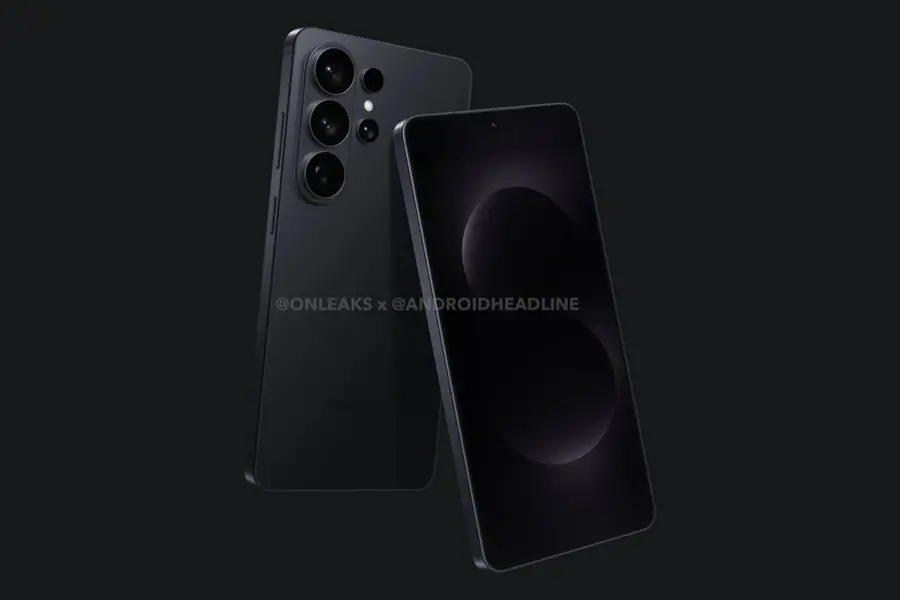
Samsung is gearing up to unveil its next flagship smartphone — the Galaxy S26 Ultra — with a potential global launch in January 2026. However, reports suggest the India launch could happen around March 2026. The upcoming device is expected to cost around ₹1,59,999, approximately 20% higher than the Galaxy S25 Ultra, reflecting major upgrades in performance, display and camera technology.
Camera and design
The Galaxy S26 Ultra is rumoured to feature a quad-camera setup, headlined by a 200MP primary sensor, along with a 50MP ultra-wide lens, a 50MP periscope telephoto lens, and a 10MP telephoto sensor. For selfies and video calls, a 12MP front camera is expected.
Design-wise, Samsung is likely to retain the familiar look of the S25 Ultra but may introduce a refined and more enclosed camera module instead of the floating lens design. The phone could feature a 6.9-inch OLED display with a 120Hz refresh rate and peak brightness of 3000 nits, making it one of the brightest displays on any smartphone. Leaks also hint at a flat panel and smoother, rounded edges for better ergonomics and visual appeal.
Performance and battery
Under the hood, the S26 Ultra is tipped to run on Qualcomm’s Snapdragon 8 Elite Gen 5 chipset, paired with 12GB of RAM and 256GB of internal storage. This setup should deliver top-tier performance for gaming, multitasking and productivity. While detailed battery specs are yet to be confirmed, Samsung is expected to offer improved power efficiency and thermal management.
Launch timeline and variants
Traditionally, Samsung launches its Galaxy S series in January, but reports indicate a possible delay to February 25, 2026. The company is also said to be discontinuing the Edge variant in favor of the Plus model this year. Alongside the Ultra, Samsung will debut the Galaxy S26 and Galaxy S26 Plus, each offering tailored upgrades.
The Galaxy S26 Ultra is shaping up to be the flagship centerpiece of Samsung’s 2026 lineup — combining cutting-edge camera hardware, a brighter display, refined design and next-gen processing power.
Published: 09 Nov 2025, 08:16 pm IST
Related Topics
Disclaimer: Kindly avoid objectionable, derogatory, unlawful and lewd comments, while responding to reports. Such comments are punishable under cyber laws. Please keep away from personal attacks. The opinions expressed here are the personal opinions of readers and not that of Mathrubhumi.
