
The Pentagon terminates its AI contract with Anthropic over safety concerns, leading to a legal battle. Discover how OpenAI is stepping in and what this means for military AI.
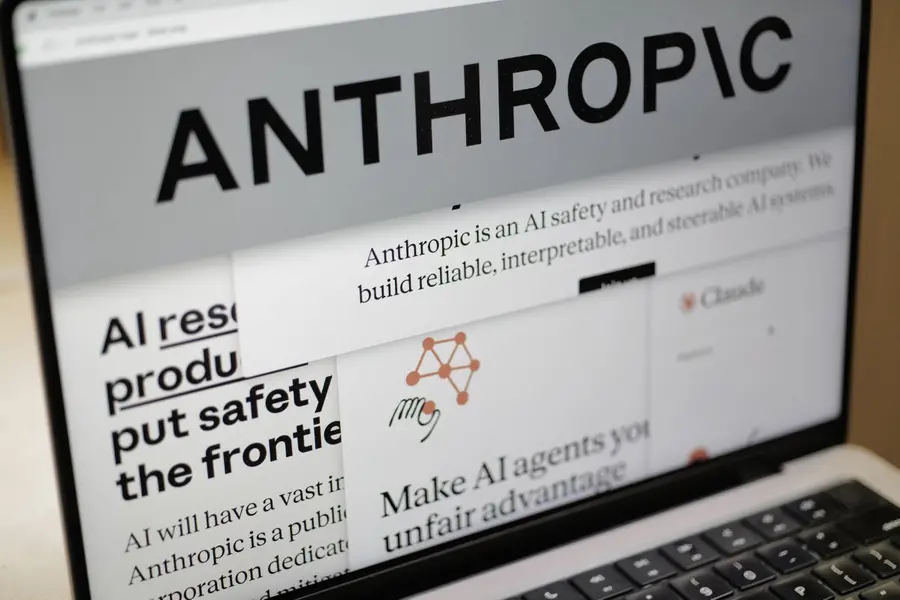
A high-profile dispute over the military use of artificial intelligence has escalated after the U.S. Department of Defense moved to cut ties with AI company Anthropic, triggering a legal challenge and reshaping competition among major tech firms.
Defense Secretary Pete Hegseth ended Anthropic’s work with the Pentagon and other government agencies, citing national security concerns under a law designed to address supply chain risks. The decision marks an unprecedented application of the rule to a U.S.-based company.
Why was Anthropic labeled a supply chain risk?
The Pentagon used a legal mechanism traditionally applied to foreign companies to designate Anthropic as a potential defense supply chain risk. Historically, the designation has targeted firms with ties to adversarial nations, such as telecom company Huawei or cybersecurity firm Kaspersky.
In this case, officials said the move was intended to limit exposure to technologies that could pose security concerns.
The decision will reportedly end Anthropic’s existing Pentagon contract, valued at up to $200 million, and restrict other defense contractors from conducting business with the company for Department of Defense-related projects.
Anthropic has said it has not yet received formal notice of the designation and plans to challenge the decision in court once official documentation is provided.
What sparked the dispute?
The conflict intensified after Anthropic CEO Dario Amodei raised concerns about potential military applications of AI, including autonomous weapons and mass surveillance systems.
President Donald Trump and Defense Secretary Hegseth criticised the company’s stance, arguing that its position created national security risks. In response, Trump publicly stated that most federal agencies must stop using Anthropic’s AI tools, though he allowed a six-month transition period for the Pentagon to phase out existing systems already integrated into military platforms.
Anthropic maintains that the designation applies only to its AI products used specifically for defense work, and that commercial customers using its technology for civilian purposes are not affected.
Anthropic argues that the Defense Secretary may lack authority to block business relationships between the company and other defense contractors.
The company has vowed to challenge the designation in court, calling it an action never before applied publicly to an American firm.
The upcoming legal dispute could have far-reaching implications for:
- AI regulation in military systems
- The balance of power between tech firms and the federal government
- Guardrails around AI safety and deployment
Impact on the AI industry
The decision has already reshaped the competitive landscape.
Shortly after the dispute became public, OpenAI announced a new agreement to provide AI systems for classified Pentagon networks. The company said it would maintain restrictions preventing mass surveillance and fully autonomous lethal weapons.
OpenAI CEO Sam Altman emphasised that human oversight remains central to its defense agreements.
The developments come amid heightened competition among leading AI developers, including OpenAI, Anthropic, Google, and other technology firms seeking government partnerships.
What is Anthropic’s role in the AI market?
Anthropic’s AI system, known as Claude, has become widely adopted across businesses and government agencies for tasks such as software development and data analysis.
The company reports substantial revenue growth and says hundreds of customers pay significant annual fees for its services. Anthropic argues that uncertainty surrounding the designation could discourage commercial users, even though non-defense applications remain unaffected.
Published: 01 Mar 2026, 11:47 am IST
Related Topics
Disclaimer: Kindly avoid objectionable, derogatory, unlawful and lewd comments, while responding to reports. Such comments are punishable under cyber laws. Please keep away from personal attacks. The opinions expressed here are the personal opinions of readers and not that of Mathrubhumi.
