
The video struck a chord with viewers, who flooded the comments section with applause and laughter
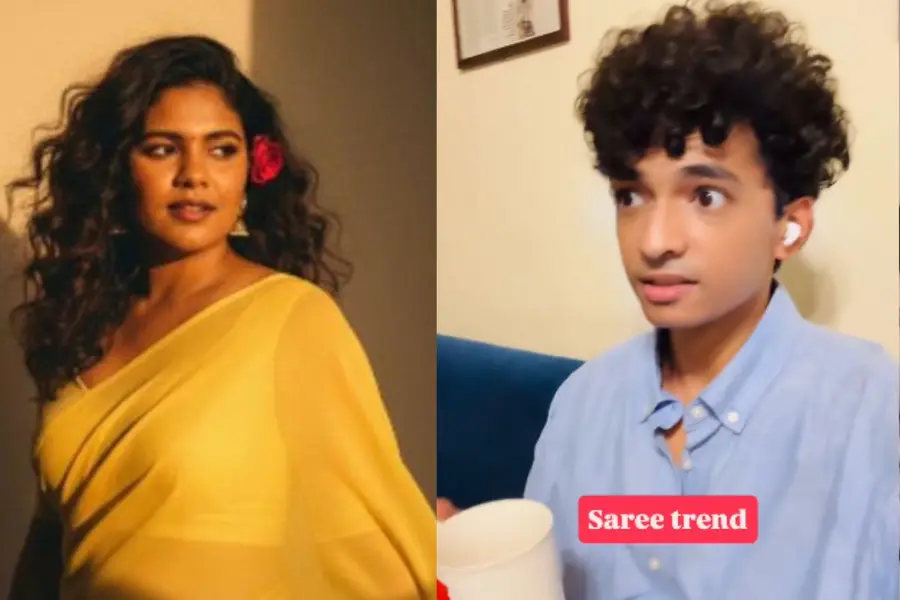
A popular AI image-editing trend known as 'Nano Banana', embedded in Google's Gemini app, has taken social media by storm — but not everyone is impressed. While thousands have been using the tool to generate glamorous photos of themselves wearing digitally rendered sarees, one content creator’s hilarious takedown of the trend by Shantanu Naidu, the young aide and "millennial manager" to the legendary industrialist Ratan Tata, has gone viral for its refreshing honesty.
Initially rising to fame for creating 3D figurine-style edits, Nano Banana has since evolved into a go-to tool for users seeking hyper-stylised transformations. Among the most popular formats are AI-generated saree images, which have flooded platforms like Instagram and X (formerly Twitter), often featuring exaggerated backgrounds and dreamy aesthetics.
But Shantanu Naidu called out the growing trend in a tongue-in-cheek video that quickly resonated with viewers.
“You look more stunning in your original saree. Just wear it and take a photo,” he quipped, poking fun at those requesting AI saree edits instead of embracing their real-life attire.
He continued his light-hearted rant by suggesting that if people wanted AI-generated images, it would make more sense to ask for white wedding gown edits, since, in his words, “Indians don’t typically own them.” Drawing an even funnier parallel, he added:
“It’s like asking AI to create a photo with my dog when the dog is right next to me. Just sit with him and click a photo!”
Netizens applaud the Reality Check
The video struck a chord with viewers, who flooded the comments section with applause and laughter.
“Inner me: finally someone said it,” wrote one user.
“Bro just casually spilt the truth and sipped his tea,” said another.
“Finally, somebody chose to speak the fact.”
One particularly touched viewer added, “You’re a star... no wonder our hero Ratan Tata Sir loved you so much.”
While the Nano Banana trend continues to charm users with its AI creativity, critics argue that it feeds into unrealistic beauty standards and cultural romanticism. That said, the trend shows no signs of slowing down, especially as AI tools become increasingly accessible to everyday users.
Published: 16 Sept 2025, 03:10 pm IST
Related Topics
Disclaimer: Kindly avoid objectionable, derogatory, unlawful and lewd comments, while responding to reports. Such comments are punishable under cyber laws. Please keep away from personal attacks. The opinions expressed here are the personal opinions of readers and not that of Mathrubhumi.
