
HP has announced plans to slash 4,000–6,000 jobs globally through fiscal 2028 as the company accelerates its transition to AI-powered workflows.
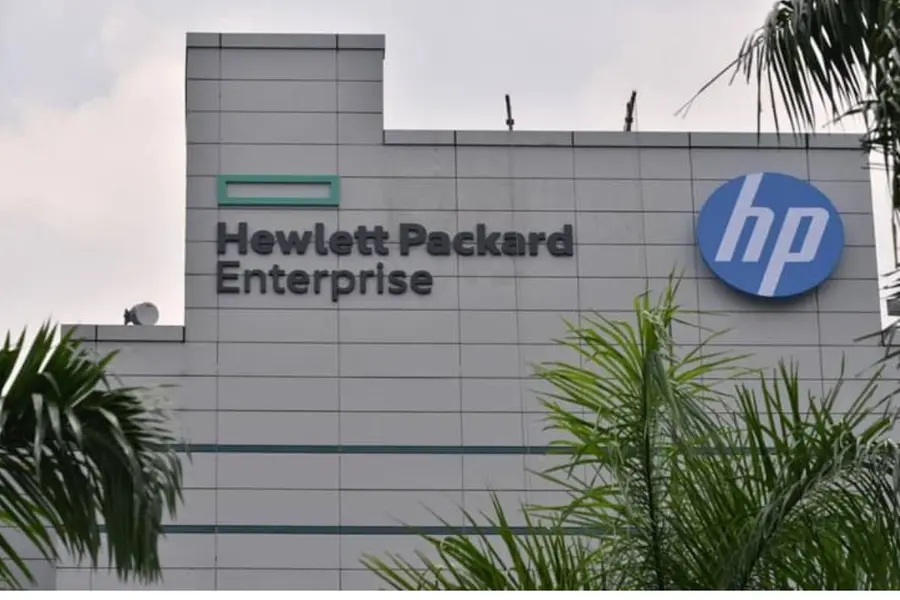
HP Inc. announced that it plans to cut between 4,000 and 6,000 jobs worldwide by fiscal 2028, becoming the latest tech company to accelerate the adoption of artificial intelligence across its operations.
The layoffs are aimed at streamlining the organisation and integrating AI tools into workflows to speed up product development, enhance customer support and improve overall productivity. Teams involved in product development, internal operations and customer support are expected to be among the most affected.
The company expects the restructuring to generate around $1 billion in gross run-rate savings over the next three years, according to statements made during a media briefing call.
This move follows earlier job cuts in February, when HP shed between 1,000 and 2,000 employees as part of a previous restructuring programme.
Demand for personal computers equipped with AI-specific chips is rising, with such devices accounting for more than 30 per cent of HP’s PC shipments in the fourth quarter ending October 31, according to the Reuters report. However, a global surge in memory chip prices, fuelled by growing demand from data centres, could increase costs and pressure profit margins for PC manufacturers, including HP, Dell and Acer, analysts at Morgan Stanley have warned.
The price rise, driven by Big Tech’s race to build AI capacity, has pushed up the cost of dynamic random-access memory (DRAM) and NAND, two key types of memory chips. HP has said it expects the financial impact to be felt in the second half of fiscal 2026, though current inventory is expected to cover the first half. The company is attempting to limit cost pressures by qualifying lower-cost suppliers, reducing memory configurations and adjusting pricing.
HP has also been shifting production outside China for most of its North America-bound products in an effort to mitigate the impact of tariffs imposed during the Trump administration.
Financial performance
HP shares fell around 4 per cent in extended trading after closing at $24.32 on Tuesday in New York. The stock had already fallen 25 per cent this year ahead of the earnings announcement.
For fiscal 2026, the company projects adjusted earnings of $2.90 to $3.20 per share, below analysts’ estimates of $3.33, according to LSEG data. Fourth-quarter revenue came in at $14.64 billion, slightly ahead of expectations.
Revenue in the PC unit rose 8 per cent, driven partly by upgrades to Windows 11 machines and increased interest in PCs equipped with specialised AI chips.
Published: 26 Nov 2025, 11:03 am IST
Disclaimer: Kindly avoid objectionable, derogatory, unlawful and lewd comments, while responding to reports. Such comments are punishable under cyber laws. Please keep away from personal attacks. The opinions expressed here are the personal opinions of readers and not that of Mathrubhumi.
