
Simultaneously, Google is building a major AI data center on Christmas Island, supporting defense and commercial use in the Indo-Pacific.
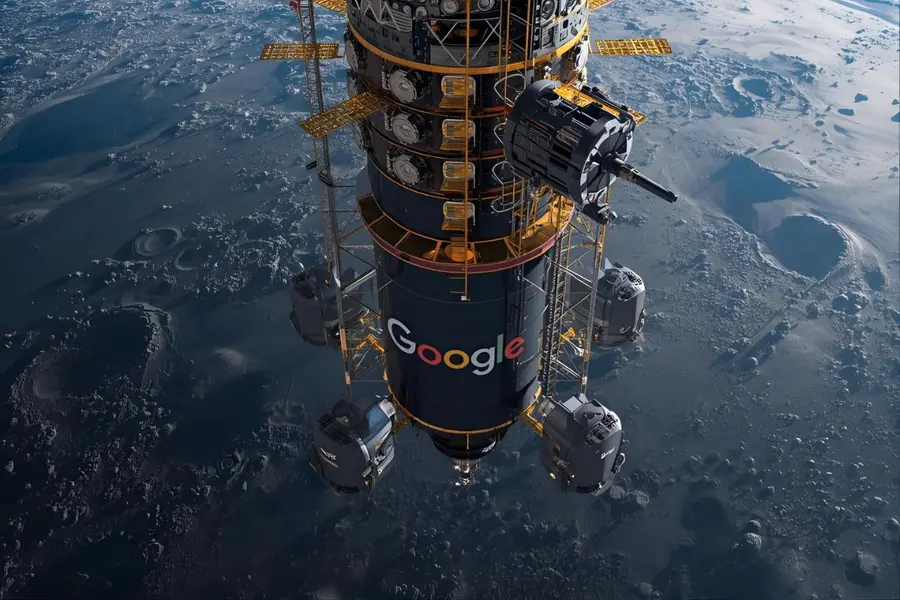
Google has announced a groundbreaking dual strategy to expand its artificial intelligence (AI) computing infrastructure by establishing data centres both in space and on a remote island, marking a bold new chapter in AI technology deployment.
Project Suncatcher: AI Data Centres in Space
Unveiled by CEO Sundar Pichai on November 4, Project Suncatcher aims to create a constellation of about 80 solar-powered satellites orbiting 400 miles above Earth. Each satellite will be equipped with Google’s custom-designed Tensor Processing Units (TPUs), specialised AI chips designed for machine learning tasks. Leveraging the continuous solar energy available in low-Earth orbit, the project could reduce AI computing energy costs by up to 40% compared to earthbound facilities. Scheduled to launch two prototype satellites in early 2027 in partnership with Planet Labs, these satellites will use ultra-fast free-space optical communication links to relay data with terabit speeds, enabling scalable AI processing beyond traditional terrestrial limits. This initiative is envisioned as a long-term research moonshot to scale AI computing sustainably and efficiently, while addressing complex engineering challenges like radiation resistance and thermal management in space.
Strategic AI Data Centre on Christmas Island
Parallel to its space ambitions, Google is finalising a major AI data centre facility on Christmas Island, a remote Australian territory strategically positioned 350 kilometres south of Indonesia. The project follows a cloud services agreement with Australia's Department of Defence, aligning the island facility as a critical outpost for AI-driven command, control, and unmanned system operations in the Indo-Pacific region. The data centre will feature subsea cable connectivity to Darwin, linking with the U.S. military presence, and promises community benefits, including infrastructure upgrades and job opportunities, despite technical and environmental considerations. This island facility will support dual commercial and defence applications, expanding Google's AI infrastructure footprint strategically on Earth.
Community and Technical Challenges
The Christmas Island community of approximately 1,600 residents supports the project contingent on clear economic and infrastructural benefits, addressing previous challenges of limited telecommunications and employment opportunities. Both the space and island projects face substantial hurdles, including satellite formation maintenance, radiation shielding, optical data transmission, and balancing commercial with defence needs. Google's dual approach reflects a broader industry trend among tech giants toward space-based computing to meet AI's escalating energy demands and sustainability concerns, potentially revolutionising how large-scale AI models are powered and deployed.
Published: 06 Nov 2025, 07:17 pm IST
Related Topics
Disclaimer: Kindly avoid objectionable, derogatory, unlawful and lewd comments, while responding to reports. Such comments are punishable under cyber laws. Please keep away from personal attacks. The opinions expressed here are the personal opinions of readers and not that of Mathrubhumi.
