
A Bengaluru techie has shown how Google’s new Nano Banana model can generate near-realistic Aadhaar and PAN cards, sparking fresh concerns about AI-driven document forgery.
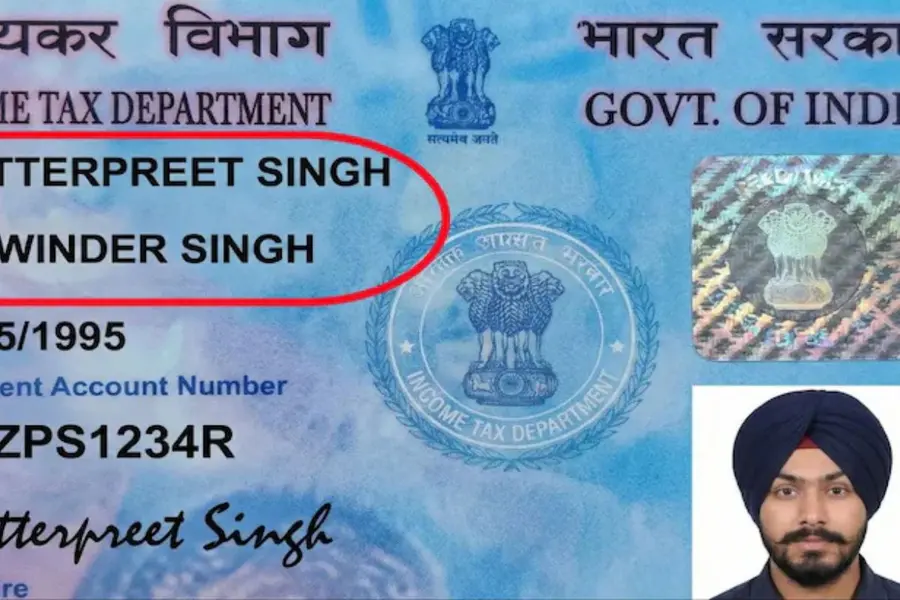
A Bengaluru-based tech professional has triggered a lively debate online after showcasing AI-generated versions of PAN and Aadhaar cards—created using Google’s new Nano Banana model.
He posted the hyper-realistic images on social media, branding himself humorously as Twitterpreet Singh.
At first glance, both cards appear legitimate. But a closer look immediately reveals that they aren’t real, complete with the Gemini AI watermark stamped on the images.
Why did he attempt it?
Speaking to HT.com, the techie, Chadha, said he regularly experiments with the limits of AI models. According to him, older Google models struggled with structured formats and often distorted faces or layouts. But the arrival of Nano Banana Pro changed that.
“The model is far smarter, less restrictive, and more accurate with formats and layouts,” he explained.
While the system still struggles with perfecting fonts or tiny text, the improved precision made him curious about how convincingly it could replicate official Indian ID designs.
Mixed reactions online:
His post quickly sparked a divide on social media. Many users flagged potential security risks, while others insisted the technology shouldn't be feared.
One user pointed out that Google embeds SynthID, invisible watermarks that can identify whether an image was generated by Gemini.
The latest Gemini 3 update even allows users to upload a picture and check if it originated from the model. Chadha, however, responded that “no one is going to scan every document through the Gemini app.”
Another user commented that QR-code verification—especially for Aadhaar—might soon become standard practice. Several others joked about Aadhaar’s notoriously poor image quality, saying a “clear photo automatically makes it fake.”
Some users insisted that advanced Photoshop work has enabled similar forgeries for years, but admitted that AI tools like Nano Banana significantly lower the barrier to entry, allowing almost anyone to replicate official layouts.
Why he posted it
Chadha clarified that his intention wasn’t to panic people. “The goal was to create awareness, not fear,” he said. AI models today are faster and far more precise than ever before, he added, making it crucial for verification systems to evolve at the same pace.
How he created the cards
When asked about his method, he refused to reveal specifics. “As a responsible tech person, I cannot share the prompt or technique used to generate these fake cards,” he said.
Published: 25 Nov 2025, 07:24 pm IST
Related Topics
Disclaimer: Kindly avoid objectionable, derogatory, unlawful and lewd comments, while responding to reports. Such comments are punishable under cyber laws. Please keep away from personal attacks. The opinions expressed here are the personal opinions of readers and not that of Mathrubhumi.
