
A new Gartner forecast shows electricity demand for global data centres could double by 2030, fuelled by rapid growth in AI-optimised servers.
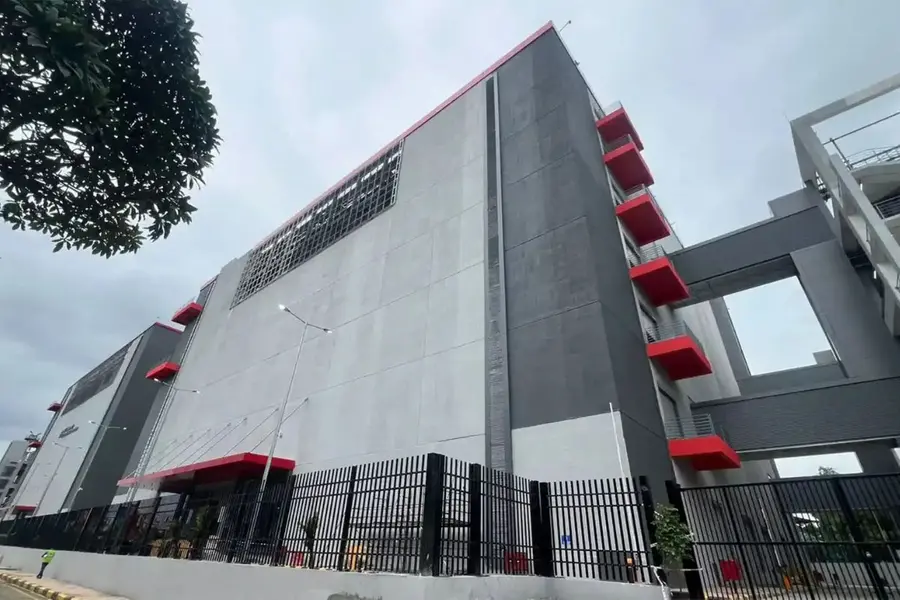
New Delhi: Global electricity demand from data centres is expected to surge 16 per cent in 2025 and nearly double by 2030, driven largely by the rapid adoption of AI-optimised servers, according to a Gartner report released on Wednesday.
Gartner estimates that worldwide data centre electricity consumption will climb from 448 terawatt hours (TWh) in 2025 to 980 TWh by 2030. While conventional servers and infrastructure continue to contribute to the load, the acceleration of artificial intelligence computing is emerging as the primary driver.
Electricity usage by AI-optimised servers alone is projected to increase almost fivefold, from 93 TWh in 2025 to 432 TWh in 2030. Their share of total data centre power consumption is expected to rise from 21 per cent in 2025 to 44 per cent by 2030, accounting for 64 per cent of the total incremental power demand.
The report notes that the United States and China will make up more than two-thirds of global data centre electricity demand by 2030. China, however, is expected to be better positioned to manage rising consumption due to greater power efficiency and long-term infrastructure planning. The share of electricity dedicated to data centres in the US is projected to rise from 4 per cent to 7.8 per cent between 2025 and 2030, while Europe is expected to increase from 2.7 per cent to 5 per cent. Growth across China and the wider Asia-Pacific region is expected to be more moderate.
Gartner warns that continued dependence on fossil fuels for on-site power generation is unsustainable. Emerging clean alternatives, including green hydrogen, geothermal and small modular reactors (SMRs), are expected to become viable energy sources for data centre microgrids by the end of the decade.
In the near term, natural gas is likely to remain the dominant power source. Over the next three to five years, however, battery energy storage systems (BESS) are projected to expand rapidly to compensate for fluctuations in solar and wind power.
IANS
Published: 26 Nov 2025, 12:15 pm IST
Disclaimer: Kindly avoid objectionable, derogatory, unlawful and lewd comments, while responding to reports. Such comments are punishable under cyber laws. Please keep away from personal attacks. The opinions expressed here are the personal opinions of readers and not that of Mathrubhumi.
