
Google Cloud CEO Thomas Kurian explains how AI empowers workers, boosts productivity, and creates new opportunities in tech, rather than replacing jobs
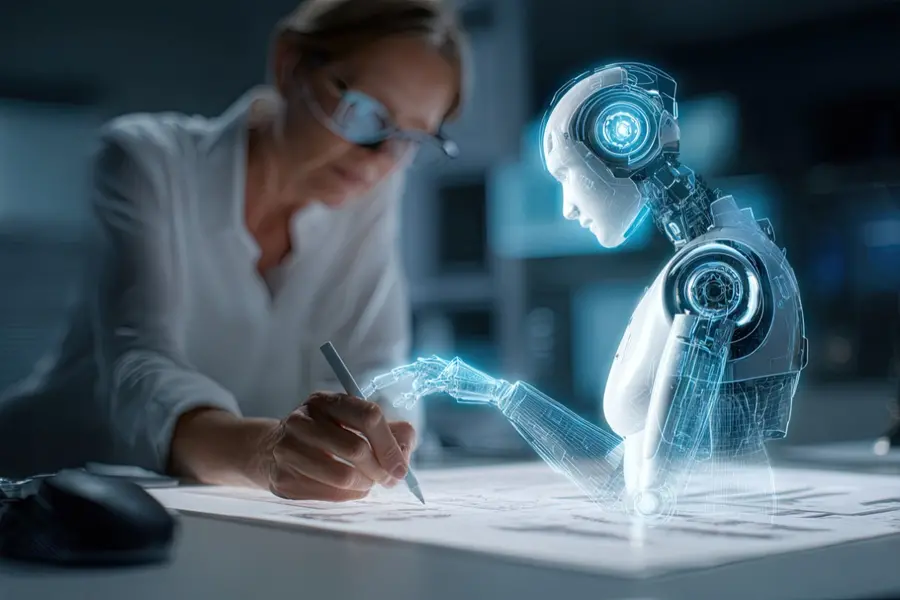
Google Cloud CEO Thomas Kurian has addressed concerns over artificial intelligence potentially eliminating technology jobs, emphasising that AI is designed to empower workers rather than replace them.
In an interview with tech newsletter Big Technology, Kurian described AI as a tool that enhances human potential. “There is definitely a middle ground,” he remarked, countering predictions of widespread automation. According to him, the primary aim of AI is to complement human capabilities, not render roles obsolete.
Kurian highlighted Google’s Customer Engagement Suite—a collection of AI-driven customer service solutions launched last year—as an example. Despite initial apprehensions from clients that AI could lead to job cuts, he noted, “Almost none of our clients have let anyone go.”
Expanding capabilities instead of reducing staff
When the suite was first introduced, some companies feared AI might replace customer service agents. Contrary to these concerns, the tools are now addressing tasks previously overlooked, such as minor queries that did not warrant human attention. Kurian emphasised that AI is helping businesses engage with customers more efficiently, improving both service quality and overall productivity.
Boosting engineer productivity
Kurian’s perspective aligns with Google CEO Sundar Pichai, who earlier this year reported similar trends. During a June interview on the Lex Fridman Podcast, Pichai revealed that AI tools have increased Google engineers’ productivity by around 10 percent, measured through additional hours of work facilitated by AI assistance.
Rather than downsizing, Pichai said the company plans to recruit more engineers, stating that “the opportunity space of what we can do is expanding.” He believes AI will eliminate repetitive tasks, freeing engineers to focus on creative and strategic projects.
Data supports optimism
Alphabet’s recent earnings call reflected this positive outlook. Pichai shared that over 30 percent of new code at Google is now AI-generated, up from 25 percent in October. He suggested that this trend points to a more capable and efficient workforce, where humans and AI collaborate to advance innovation.
Published: 13 Oct 2025, 12:08 pm IST
Related Topics
Disclaimer: Kindly avoid objectionable, derogatory, unlawful and lewd comments, while responding to reports. Such comments are punishable under cyber laws. Please keep away from personal attacks. The opinions expressed here are the personal opinions of readers and not that of Mathrubhumi.
