
After weeks of boycott threats, the Pakistan Cricket Board has moved towards playing India following ICC-led negotiations and government clearance.
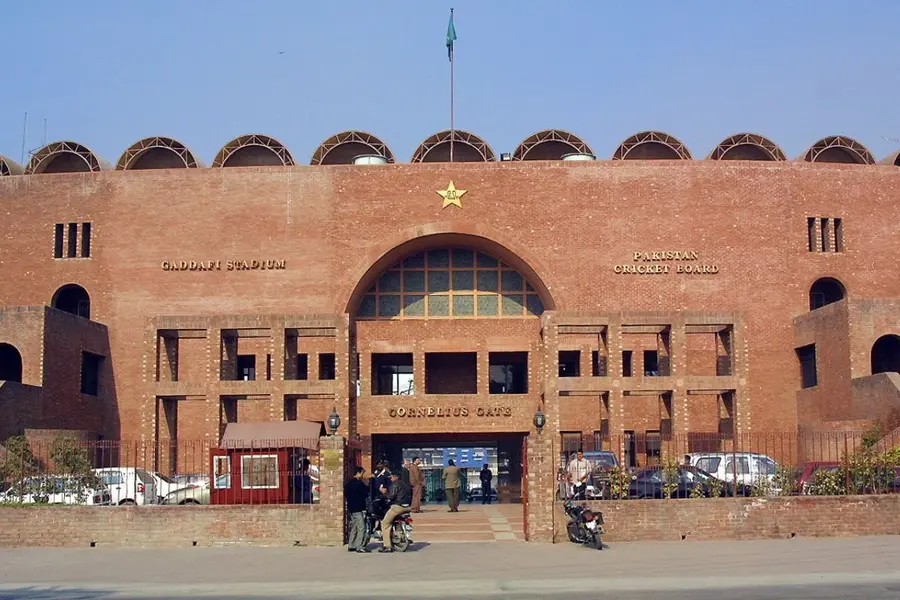
Lahore/Colombo: After weeks of escalating rhetoric and threats to boycott one of cricket’s biggest fixtures, the Pakistan Cricket Board (PCB) has moved towards participation in the ICC Men’s T20 World Cup clash against India, following intensive behind-the-scenes negotiations involving multiple cricketing stakeholders.
The standoff began when Pakistan’s government indicated it would not allow its national side to take the field against India in the group-stage fixture scheduled for February 15, despite approving participation in the wider tournament. The directive was communicated as a government-level decision, placing the PCB in a legally sensitive position with the International Cricket Council (ICC).
Also Read

The ICC quickly sought an explanation, warning that refusing to play a scheduled match could trigger sporting, financial, and contractual consequences under its participation agreements. The governing body also emphasised that selective participation undermines the integrity of global tournaments.
In the days that followed, negotiations intensified. Delegations from the ICC and Bangladesh Cricket Board (BCB) held discussions with PCB chairman Mohsin Naqvi in Lahore, while parallel consultations continued with other stakeholders concerned about the disruption of one of cricket’s most commercially significant fixtures.
Bangladesh officials also directly urged Pakistan to reconsider the boycott for the broader benefit of the tournament schedule and the global cricket ecosystem. Their intervention added pressure on the PCB to seek a compromise, even as Pakistan explored conditions such as improved revenue arrangements and broader bilateral cricket considerations during negotiations with the ICC.
The mounting diplomatic and commercial stakes soon began reshaping the narrative. Ticket sales for the marquee India-Pakistan encounter were temporarily halted amid uncertainty over Pakistan’s participation, underlining the financial impact of the dispute.
Within roughly ten days, the PCB’s earlier hardline position softened, culminating in a reversal that cleared the way for the fixture to proceed as scheduled. Pakistan’s government subsequently allowed the national team to take the field against India, signalling a shift from boycott threats to pragmatic engagement.
Reports indicate that the decision followed high-level consultations between PCB leadership and Pakistan’s political establishment, alongside sustained ICC mediation aimed at protecting the tournament’s marquee rivalry.
While the episode exposed the fragile intersection of politics and cricket diplomacy, it also demonstrated the ICC’s leverage in enforcing participation norms. The resolution ensures that one of the sport’s most-watched contests remains on the schedule, even as underlying tensions persist.
For now, the PCB’s rethink appears less a dramatic policy shift and more a calculated recalibration, alancing domestic political messaging with the realities of global cricket economics and governance, allowing the India-Pakistan showdown to move from uncertainty back to centre stage.
Published: 10 Feb 2026, 07:19 am IST
Related Topics
Disclaimer: Kindly avoid objectionable, derogatory, unlawful and lewd comments, while responding to reports. Such comments are punishable under cyber laws. Please keep away from personal attacks. The opinions expressed here are the personal opinions of readers and not that of Mathrubhumi.