
The BCCI stated participation is mandatory in multilateral events, citing potential negative repercussions for India hosting future tournaments
Mumbai:
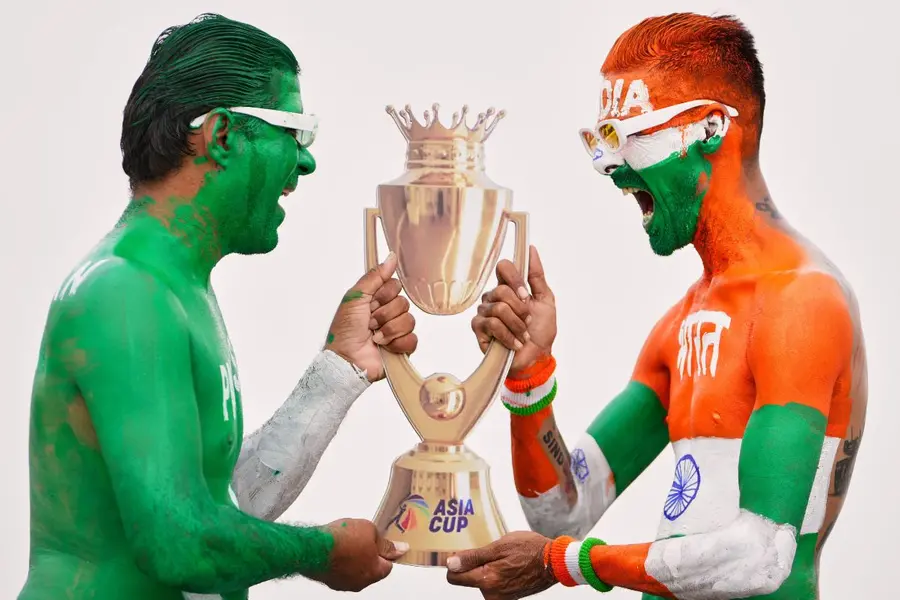
The Board of Control for Cricket in India (BCCI) has firmly rejected calls to boycott the highly anticipated Asia Cup 2025 match against Pakistan, stating that the Indian team has no choice but to participate in the multilateral event. This decision comes amid heightened political tensions following the Pahalgam terror attack earlier this year, which killed 26 innocent Indian tourists and led to India’s retaliatory Operation Sindoor against terrorist camps across the border.
Also Read

BCCI Secretary Devajit Saikia explained that the decision to proceed with the match was made in alignment with the central government's policy. He emphasised that since the Asia Cup is a multinational tournament involving several countries, India cannot simply withdraw without facing major diplomatic and sporting repercussions. “If we boycott this tournament, that will bring a lot of negativity for all our future endeavours of hosting any multinational tournament in the country,” Saikia told Hindustan Times. He also pointed out that India has refrained from playing bilateral cricket fixtures with Pakistan since 2012-13, but multilateral events have different considerations.
Despite the BCCI’s stance, the board has adopted what many call an "invisible boycott." Most senior officials will reportedly avoid attending the match in Dubai to steer clear of controversy and backlash. The BCCI fears that a visible presence during the politically charged encounter could provoke public and media criticism, leading to an uncomfortable atmosphere for the organisation.
The Indian cricket team remains focused strictly on cricket, dismissing political distractions. Batting coach Sitanshu Kotak stated that once the BCCI confirmed alignment with government directives, the team’s attention had solely been on preparing for the game. “India versus Pakistan is always a competitive game,” he said, “Players are focused on the ground and nothing else is on their minds.”
However, the decision to play has drawn sharp criticism from various quarters. Families of the Pahalgam terror victims and some political voices have urged a boycott of the match, accusing the BCCI of insensitivity and questioning the ethics of competing against Pakistan so soon after the attack. Widows and families of the victims have called on fans not to watch the match as a mark of respect and protest, and some former cricketers and politicians have echoed these sentiments, branding the BCCI’s decision as anti-national.
While the Supreme Court of India declined to intervene to stop the fixture, public debate continues to intensify, reflecting the deep emotions involved when sports intersect with national security and political issues.
Published: 14 Sept 2025, 10:46 am IST
Disclaimer: Kindly avoid objectionable, derogatory, unlawful and lewd comments, while responding to reports. Such comments are punishable under cyber laws. Please keep away from personal attacks. The opinions expressed here are the personal opinions of readers and not that of Mathrubhumi.