
During July 2025, the NIH laboratory collected 127 sewage samples from 87 districts across Pakistan.
Islamabad: Health authorities in Pakistan have confirmed the detection of wild poliovirus type 1 (WPV1) in 42 sewage samples across the country, raising fresh concerns about the ongoing challenges in polio eradication efforts.
The results emerged from testing conducted by the Regional Reference Laboratory for Polio Eradication at the National Institute of Health (NIH) in Islamabad, according to a report released on Tuesday.
How widespread is the contamination?
During July 2025, the NIH laboratory collected 127 sewage samples from 87 districts across Pakistan. Of these:
- 42 samples tested positive
- 75 samples tested negative
- 10 samples are still being processed
The newly affected children include:
- A 15-month-old girl from UC Takhtikhel, Lakki Marwat (Khyber Pakhtunkhwa)
- A six-month-old girl from UC Mir Ali-3, North Waziristan (Khyber Pakhtunkhwa)
- A five-year-old boy from UC Chajro, Umerkot (Sindh)
What is the national case count for 2025?
The total number of polio cases in Pakistan for 2025 now stands at:
- 10 in Khyber Pakhtunkhwa
- 5 in Sindh
- 1 in Punjab
- 1 in Pakistan-occupied Gilgit-Baltistan
Why is polio still a threat?
According to the World Health Organization (WHO), polio is a highly infectious viral disease that primarily affects children under the age of five. The disease has no cure, but it is entirely preventable through vaccination.
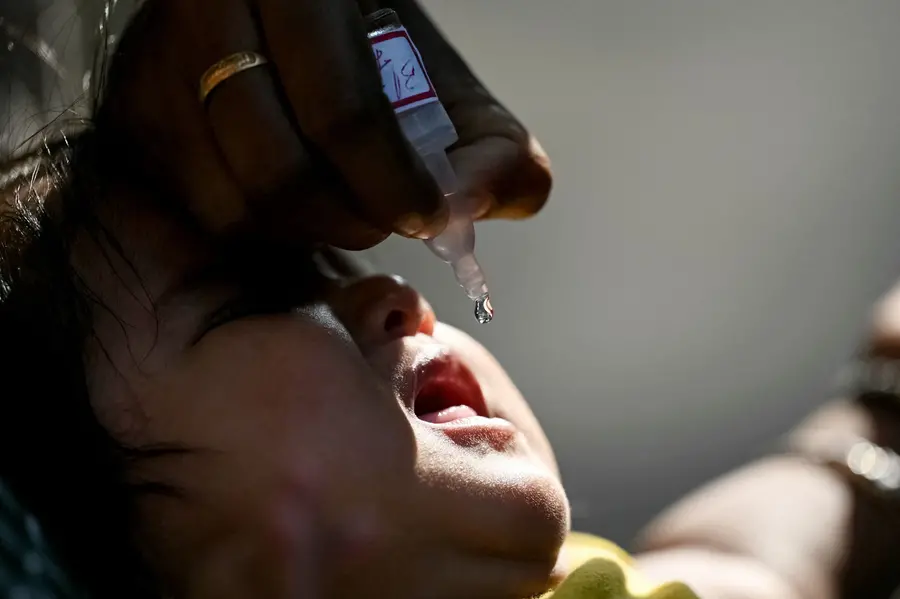
The oral polio vaccine, administered multiple times, provides lifelong immunity. Initial symptoms of polio include fever, fatigue, headache, vomiting, neck stiffness, and limb pain. In severe cases, one in 200 infections leads to irreversible paralysis, most often in the legs. Of those paralysed, 5–10 percent die when their breathing muscles are affected.
With IANS inputs
Published: 13 Aug 2025, 02:31 pm IST
Related Topics
Disclaimer: Kindly avoid objectionable, derogatory, unlawful and lewd comments, while responding to reports. Such comments are punishable under cyber laws. Please keep away from personal attacks. The opinions expressed here are the personal opinions of readers and not that of Mathrubhumi.
