
While polio mainly affects young children, unvaccinated individuals of any age are at risk
Islamabad: Wild Poliovirus Type 1 (WPV1) has been detected in sewage samples collected from 18 districts across Pakistan, according to the latest environmental testing conducted by the National Emergency Operations Centre (NEOC) for Polio.
As reported by ARY News, the samples were collected between 7 and 17 April and revealed widespread contamination in various parts of the country. The virus was detected in sewage samples from three districts in Balochistan, six in Sindh, six in Khyber Pakhtunkhwa, and two in Punjab. Traces of the virus were also found in Islamabad’s federal territory.
The NEOC confirmed that eight polio cases have been reported in Pakistan so far in 2025. Last year, the country recorded a total of 74 cases.
Polio is a highly infectious and incurable disease, primarily affecting children under the age of five. It can cause irreversible paralysis and, in severe cases, death. According to the World Health Organization (WHO), the virus spreads mainly through the faecal-oral route and multiplies in the intestine.
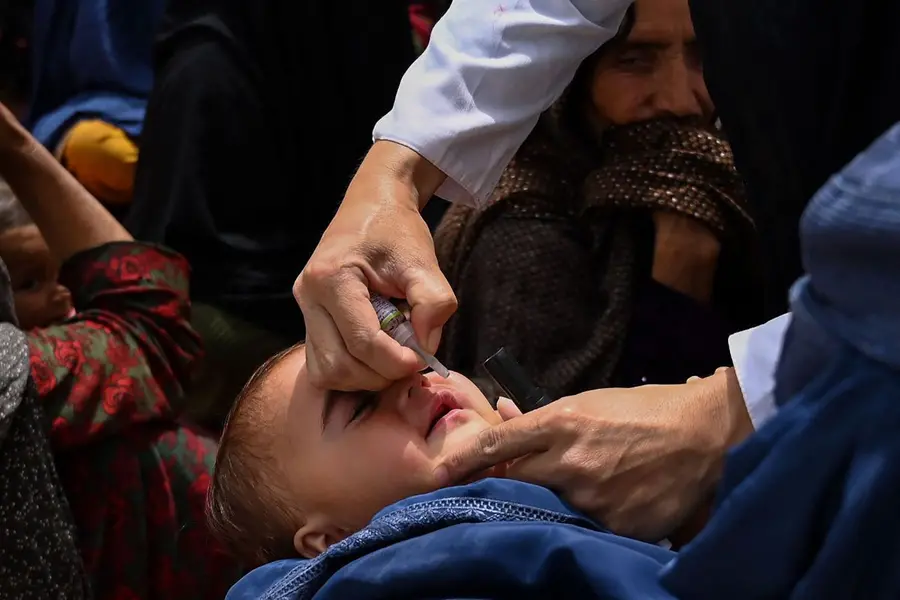
Vaccination remains the only effective way to prevent polio. Health officials stress the importance of administering multiple doses of the oral polio vaccine and completing the routine immunisation schedule for all children under five to ensure high levels of immunity.
While polio mainly affects young children, unvaccinated individuals of any age are at risk.
Published: 06 May 2025, 02:16 pm IST
Related Topics
Disclaimer: Kindly avoid objectionable, derogatory, unlawful and lewd comments, while responding to reports. Such comments are punishable under cyber laws. Please keep away from personal attacks. The opinions expressed here are the personal opinions of readers and not that of Mathrubhumi.
