
Slumped on the ground over a mound of dirt, Divine Wisoba wept as she pulled weeds from her daughter's grave. One-month-old Maombi Katengey succumbed to mpox in eastern Congo in August. It was Wisoba’s first visit to the cemetery, as she had been too traumatized to attend the funeral. "When she was born, it felt like God had answered our prayers -- we wanted a girl," Wisoba, 21, recalled tearfully. "But our greatest joy turned into heartbreak."
Maombi is just one of over 6,000 suspected mpox cases in South Kivu province, which has become the epicenter of the world's latest outbreak of the virus.
The World Health Organization has declared the situation a global health emergency, as a new strain of mpox spreads rapidly, primarily through skin-to-skin contact.
A lack of funding, vaccines, and public awareness is making it difficult to contain the outbreak, according to health experts.
Spread of Mpox and Impact on Vulnerable Groups
Mpox, which typically causes mild symptoms like fever and body aches, can lead to severe cases, especially among children and vulnerable populations like pregnant women. Blisters can form on the face, hands, chest, and genitals, and in some cases, lesions become infected, increasing the risk of complications.
While the virus disproportionately affected gay and bisexual men during the 2022 outbreak in over 70 countries, officials in Congo note that children are now among the most affected.
"Mpox has long been a concern for children in Africa, and we are now seeing a sharp rise in cases among kids, pregnant women, and other vulnerable groups," said a local health official.
Kamituga: The Epicenter of the Outbreak
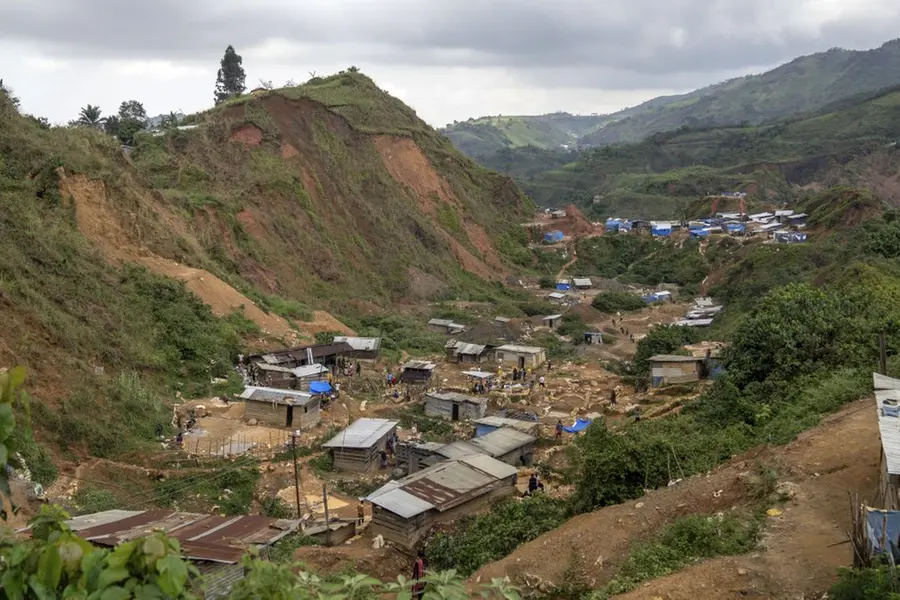
Health authorities have zeroed in on Kamituga, a bustling gold mining town of 300,000 people, as the epicenter of the outbreak in eastern Congo.
Miners, sex workers, and traders are constantly moving in and out of the town, making it a hotbed for the spread of the virus. The first cases were traced back to Kamituga's nightclub scene, and since the outbreak began a year ago, nearly 1,000 people have been infected, with eight fatalities—half of them children.
Despite global efforts, the situation in Kamituga remains dire. "We are seeing an average of five new cases every day," said Dr Steven Bilembo from the town’s general hospital, which is often operating at full capacity. "Our resources are stretched thin, and we fear the true number of cases is higher."

Lack of Awareness and Resources
A significant issue in the battle against mpox is the lack of public awareness. Wisoba, who was also infected before her daughter, didn't even know she had the virus.
"Painful lesions appeared around my genitals, but I thought it was a sexually transmitted infection," she explained. She sought treatment at a pharmacy, but it wasn’t until her newborn also developed lesions that she realized she had contracted mpox.
Her daughter, Maombi, died just days later. "I didn’t know what mpox was until I had it," Wisoba said, adding, "We need the government to invest more in teaching people how to protect themselves."
Community leaders like Kasindi Mwenyelwata are doing what they can to raise awareness, going door-to-door to explain the symptoms of mpox. "We try to teach people what to look for, like fevers or lesions," Mwenyelwata said, "but we don’t have enough materials like posters with images of patients, which would be more effective than words."
Funding Shortages and Vaccine Delays
Aid organizations, such as ALIMA, are also struggling with limited funds. "We lack the resources to set up programs or clinics that would serve the 150,000 people in the area," said Dr Dally Muamba, ALIMA's program coordinator in Kamituga. "If support continues to decline, the economic impact will be severe as people avoid the area due to the epidemic."
Vaccines, widely seen as the best solution, have not yet arrived in Kamituga. Congo's government has allocated $190 million for its mpox response, including the purchase of 3 million vaccine doses, but only 250,000 doses have reached the country so far.
The remoteness of Kamituga, accessible only by unpaved roads, has further delayed their arrival. "We don't know when vaccines will reach us or if there will be enough for those most at risk, like health workers and miners," said a local health official.
Unanswered Questions and Challenges
Doctors are also grappling with cases they don't fully understand, especially among pregnant women. Of 32 pregnant women who contracted mpox in Kamituga since January, nearly half lost their babies to miscarriage or stillbirth.
One of them, Alice Neema, was diagnosed with mpox too late to save her pregnancy. "I noticed lesions and a fever, but I didn't have the money to travel the 30 miles to the hospital in time," Neema said from the isolation ward.
Uncertainty also surrounds how long the virus remains in the body. "We tell recovered patients to avoid sexual activity for three months, but honestly, that number is arbitrary," admitted Dr Bilembo. "Studies haven’t clarified if you’re still contagious or not."
Fear Spreads Alongside the Virus
Fear is growing in the community, as locals come to grips with the severity of the outbreak.
Diego Nyago, who brought his 2-year-old son, Emile, to the hospital for a circumcision, was shocked to learn his child had mpox.
"I didn’t believe that children could catch this disease," he said, adding, "Some children die quickly because their families don’t know what to look for."
As doctors gently poured water over his son to reduce his fever, Nyago expressed relief. "I am just glad we were already at the hospital. Those who die are the ones who stay at home," he said.
AP
Published: 19 Sept 2024, 11:22 am IST
Disclaimer: Kindly avoid objectionable, derogatory, unlawful and lewd comments, while responding to reports. Such comments are punishable under cyber laws. Please keep away from personal attacks. The opinions expressed here are the personal opinions of readers and not that of Mathrubhumi.