
Iran’s drone strike on Duqm port marks the first attack on Oman after being previously spared in Tehran’s escalating retaliation across the Gulf.
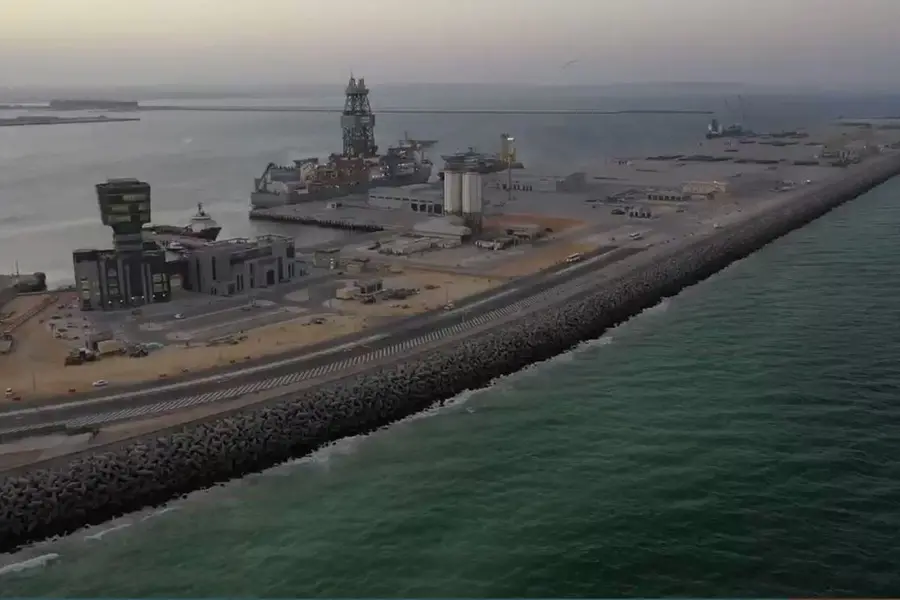
A drone strike on Oman’s Duqm port has ended the sultanate’s position as the only Gulf country untouched in Iran’s widening retaliation campaign against US and Israeli interests in the region.
According to the Oman News Agency, two drones targeted the commercial port of Duqm. One hit mobile accommodation used by workers, injuring a foreign national, while debris from the second fell near fuel storage tanks without causing additional casualties or significant material damage. The attack marks the first direct strike on Oman since Tehran began responding to military actions linked to the US and Israel.
Until this incident, Oman had stood apart while Bahrain, the UAE, Qatar and Saudi Arabia faced missile or drone threats. Several strategic and diplomatic factors had contributed to Oman being spared.
Why Oman was spared till now?
- Limited US Military footprint
Unlike some of its Gulf neighbours, Oman does not host a large, permanent US combat base directly involved in offensive operations against Iran. While the United States has access to certain Omani facilities under bilateral defence agreements, these are largely rotational and logistical in nature. They are not considered major launch hubs for strikes, reducing Oman’s profile as a direct participant in military action against Tehran.
- A Longstanding diplomatic bridge
Oman has historically played the role of a quiet intermediary between Washington and Tehran. Muscat has facilitated sensitive backchannel communications and hosted indirect negotiations over Iran’s nuclear programme. This mediator status positioned Oman as a neutral conduit rather than an adversarial actor.
In the days leading up to the escalation, Omani Foreign Minister Badr bin Hamad Al Busaidi engaged with senior US officials as part of ongoing diplomatic efforts. Even as tensions rose sharply elsewhere in the Gulf, Oman continued to keep channels of dialogue open.
Timing of escalation and trust deficit
The broader confrontation intensified amid ongoing diplomatic engagements, further straining trust between Tehran and Washington. Explosions in Tehran coincided with negotiations that had not yet concluded decisively. Such timing has previously fuelled suspicions within Iran about US intentions, especially when military actions appeared to overlap with talks.
Despite this environment of mistrust, Oman’s facilitative role had until now insulated it from direct retaliation. Its perceived neutrality and absence of an aggressive military footprint differentiated it from other Gulf capitals.
Why the strike now?
The drone attack on Duqm signals a possible shift in Tehran’s calculus. As the confrontation between Iran, Israel and the United States expands, even states seen as diplomatic intermediaries may no longer remain beyond the conflict’s reach. While the damage in Duqm was limited, the symbolic impact is significant: Oman is no longer an exception.
(With AFP inputs)
Published: 01 Mar 2026, 02:27 pm IST
Disclaimer: Kindly avoid objectionable, derogatory, unlawful and lewd comments, while responding to reports. Such comments are punishable under cyber laws. Please keep away from personal attacks. The opinions expressed here are the personal opinions of readers and not that of Mathrubhumi.
