
Israel approves talks with Lebanon even as Netanyahu rules out a ceasefire and intensifies strikes on Hezbollah, raising fresh doubts over a fragile U.S.-Iran truce.
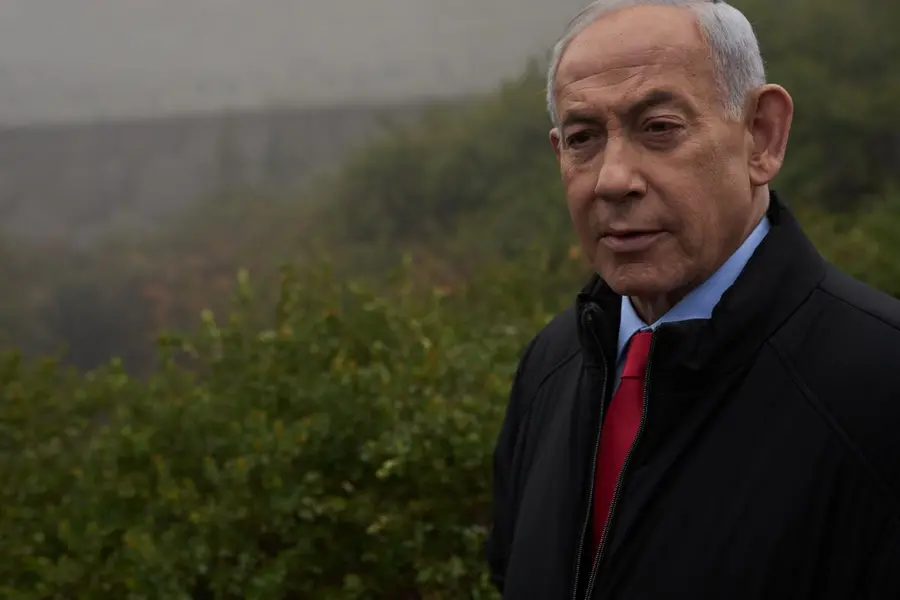
Israeli Prime Minister Benjamin Netanyahu has approved direct talks with Lebanon, expected to begin next week in Washington, even as he asserted there is no ceasefire in Lebanon and that Israeli strikes on Hezbollah will continue.
The announcement comes at a time when a fragile US-Iran ceasefire is already under strain, with ongoing violence in Lebanon threatening to derail broader diplomatic efforts in the region.
Netanyahu’s stance underscores a key sticking point: whether Hezbollah is covered under the ceasefire framework, an issue that remains unresolved.
Wednesday marked the deadliest day in Lebanon since the conflict began, with over 300 people reported killed in Israeli strikes on Beirut and other areas.
Despite the mounting casualties and international pressure, Israel appears determined to press ahead with its military campaign against the Iran-backed militant group.
Iran, in turn, has issued sharp warnings, threatening “strong responses” if attacks on Hezbollah do not stop.
The escalating rhetoric from Tehran adds further uncertainty to already fragile negotiations between Washington and Tehran, which are expected to continue in Islamabad in the coming days. US Vice President JD Vance is set to lead the American delegation.
For now, Lebanon has emerged as the central flashpoint in the conflict. While there have been no fresh strikes reported inside Iran or attacks on Gulf nations, tensions remain high, particularly with Iran continuing to exert control over the strategically vital Strait of Hormuz.
The disruption in the Strait has rattled global energy markets, with oil prices fluctuating sharply and impacting industries worldwide.
Airlines have begun cutting routes and increasing fares, with experts warning that travellers could face prolonged periods of high ticket prices even if fuel costs ease.
On the ground, hostilities between Israel and Hezbollah show no signs of slowing.
Rocket fire from Lebanon has continued to target northern Israel, setting off air raid sirens in multiple cities along the border and Mediterranean coast.
Meanwhile, diplomatic undercurrents are shifting. China is exploring a possible role in brokering a longer-term resolution, a move that could alter geopolitical equations and challenge US dominance in the region.
As talks loom and strikes continue, Netanyahu’s dual-track approach, diplomacy alongside sustained military action, highlights the precarious balance between negotiation and escalation in an already volatile Middle East crisis.
Published: 10 Apr 2026, 06:28 am IST
Disclaimer: Kindly avoid objectionable, derogatory, unlawful and lewd comments, while responding to reports. Such comments are punishable under cyber laws. Please keep away from personal attacks. The opinions expressed here are the personal opinions of readers and not that of Mathrubhumi.
