
Iran shuts the Strait of Hormuz after Israel’s largest wave of strikes across Lebanon kills 89 and injures over 700, triggering fears of wider regional escalation.
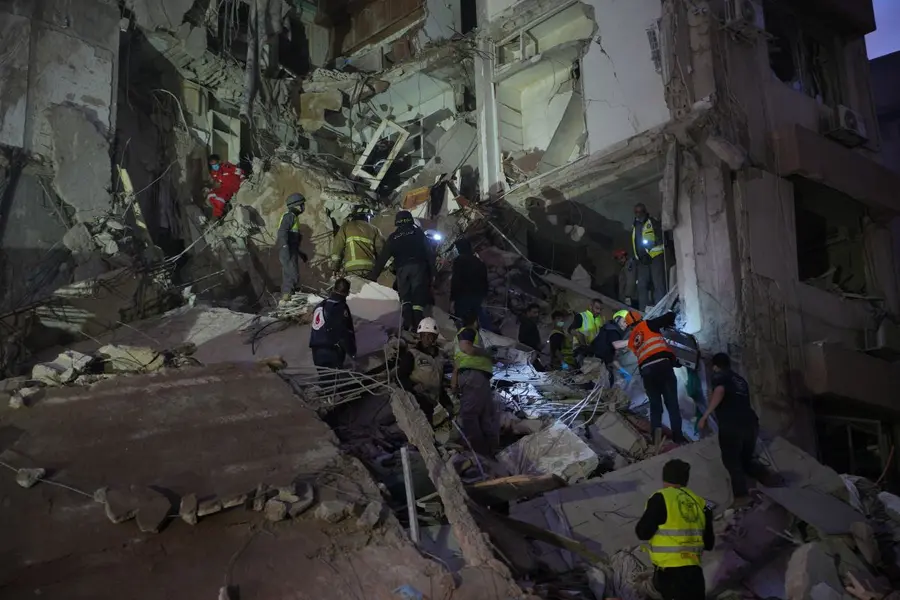
Beirut/Tehran/Washington: A dramatic escalation in the Middle East unfolded on Wednesday as Israel launched one of its most extensive aerial offensives across Lebanon, including the capital Beirut, killing at least 89 people and injuring over 700, while oil tanker traffic through the strategically vital Strait of Hormuz was reportedly halted.
The Israeli military said it struck more than 100 targets within just 10 minutes across Beirut, the Beqaa Valley, and southern Lebanon, calling it the largest coordinated assault since the start of its current offensive.
The strikes reportedly targeted Hezbollah-linked infrastructure, though Lebanese authorities said civilian areas were heavily impacted.
Hospitals across affected regions are struggling to cope with the influx of injured, with emergency services overwhelmed amid widespread destruction in densely populated neighbourhoods.
In a parallel development with global implications, Iran’s state-linked Fars News Agency reported that oil tanker traffic through the Strait of Hormuz has been halted, coinciding with the Israeli strikes.
The report did not provide operational details, but the disruption in one of the world’s most critical oil transit routes has raised alarms across global energy markets.
The Strait of Hormuz handles a significant share of the world’s oil shipments, and any halt in tanker movement could trigger volatility in crude prices and supply chains worldwide.
Earlier on Wednesday, Fars reported that two oil tankers had been granted safe passage through the waterway following a ceasefire agreement between the United States and Iran.
The ceasefire came after US President Donald Trump accepted what he described as a “workable” 10-point proposal from Tehran.
Trump had announced a two-week ceasefire window, aimed at de-escalating tensions and facilitating negotiations.
The announcement came just hours before the expiration of a deadline he had repeatedly extended, warning that Iran must reopen the Strait of Hormuz or face severe consequences.
Despite the ceasefire framework, the Israeli strikes in Lebanon and the reported halt in tanker traffic suggest a fragile and rapidly shifting situation on the ground.
Hezbollah has yet to announce a full-scale response, but retaliatory action is widely expected, raising fears of a broader regional conflict involving Iran and potentially disrupting global trade routes further.
International leaders and the United Nations have called for immediate restraint, warning that the simultaneous escalation in Lebanon and disruption in the Strait of Hormuz could have far-reaching geopolitical and economic consequences.
Published: 08 Apr 2026, 10:33 pm IST
Related Topics
Disclaimer: Kindly avoid objectionable, derogatory, unlawful and lewd comments, while responding to reports. Such comments are punishable under cyber laws. Please keep away from personal attacks. The opinions expressed here are the personal opinions of readers and not that of Mathrubhumi.
