
After warning Tehran it would "pay the price", Donald Trump ordered a second round of attacks as fears grow over oil supplies, regional stability and the prospects of a peace deal.
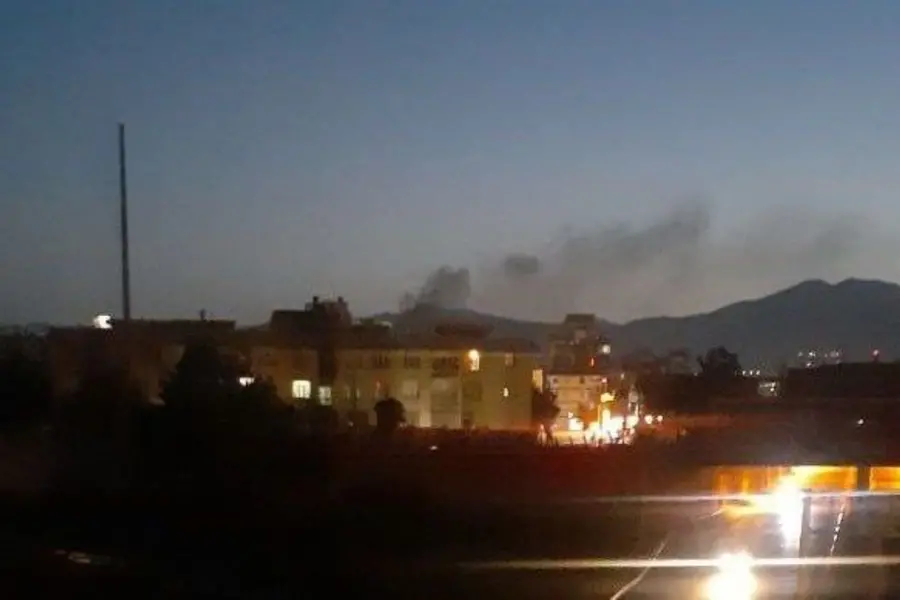
Washington/Tehran: The United States launched a fresh wave of military strikes against Iran on Wednesday, marking the second consecutive day of American attacks and raising fresh doubts over whether diplomatic efforts to halt the conflict can survive.
The strikes came hours after President Donald Trump warned that Tehran would "pay the price" for what he described as delays in negotiations aimed at ending the war.
In a statement posted on social media, US Central Command said American forces had targeted "multiple locations in Iran" in response to what it called Tehran's "unwarranted and continued aggression."
The latest attacks have intensified concerns that the already fragile two-month ceasefire could fall apart completely, dragging the region into another prolonged phase of conflict.
Iranian state-linked media reported explosions in the southern cities of Bandar Abbas, Sirik and Minab, areas strategically important because of their proximity to the Strait of Hormuz — one of the world's most critical energy corridors.
The renewed American offensive followed a day of heightened regional tensions.
Bahrain, Kuwait and Jordan , countries that host US military personnel and installations, reported coming under Iranian missile fire. Jordan said it intercepted five incoming missiles allegedly aimed at an air base used by American forces. Bahrain and Kuwait also said they thwarted attacks targeting their territories.
The exchange marked the third major flare-up this week despite the ceasefire framework that had temporarily reduced hostilities.
Tuesday's US strike had followed the crash of an American Army helicopter near the Strait of Hormuz, an incident Trump blamed on Iran.
Although the exact circumstances remain under investigation, a US official said the helicopter collided with an Iranian drone. Both American crew members survived after being rescued.
Trump presses for a deal, while escalating pressure
Even as military action intensified, Trump continued to publicly advocate for a negotiated settlement.
He has repeatedly claimed that an agreement with Iran could be achieved within days. However, the latest strikes appeared designed to increase pressure on Tehran rather than ease tensions.
In a Truth Social post, Trump accused Iran of dragging its feet at the negotiating table.
"Iran is taking too long to negotiate a deal," he wrote, adding that the country would now "have to pay the price."
Iran, however, signalled that threats would only complicate diplomacy.
Addressing the United Nations Security Council, Iran's ambassador Amir Saeid Iravani said Tehran would never negotiate under coercion.
"Iran has never negotiated under threats and pressure and will never submit to pressure or question," he said.
Iranian Foreign Ministry spokesperson Esmail Baghaei later indicated that Tehran would reassess its approach to talks following the latest American attacks.
With AP inputs
Published: 11 Jun 2026, 06:23 am IST
Related Topics
Disclaimer: Kindly avoid objectionable, derogatory, unlawful and lewd comments, while responding to reports. Such comments are punishable under cyber laws. Please keep away from personal attacks. The opinions expressed here are the personal opinions of readers and not that of Mathrubhumi.
