
The US could rethink its NATO alliance after European countries refused military access during the Iran war, says Marco Rubio
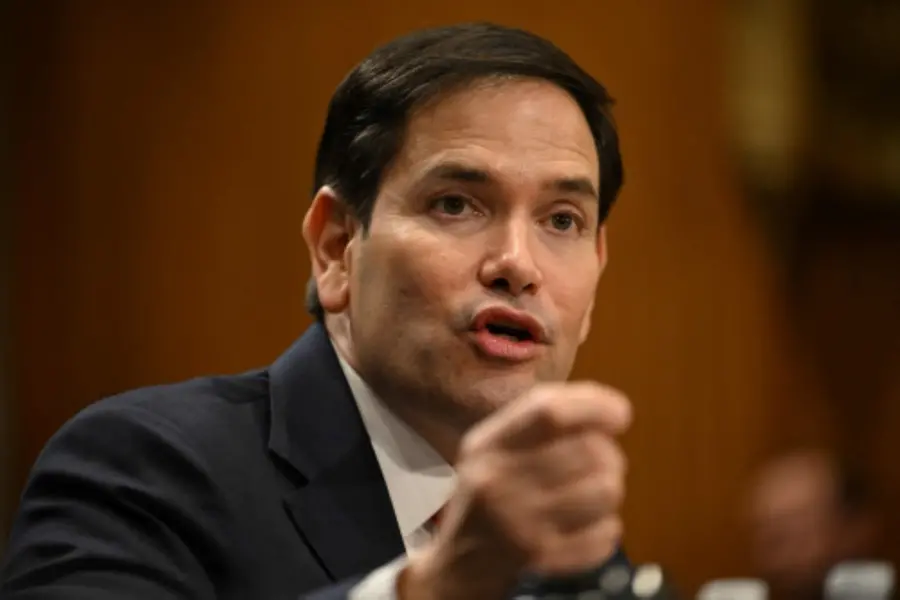
Washington: Secretary of State Marco Rubio has indicated that the United States could reconsider its relationship with NATO once the ongoing war involving Iran comes to an end, raising fresh questions about the future of the transatlantic alliance.
Speaking on Tuesday, Rubio said there was “no doubt” that Washington would need to review its ties with NATO following the conflict. He noted that such a decision would ultimately rest with Donald Trump.
‘Value of NATO must be reconsidered’
Rubio, who previously backed NATO strongly during his tenure in the US Senate, acknowledged that he had long viewed the alliance as beneficial.
“I think there’s no doubt, unfortunately, after this conflict is concluded, we are going to have to reexamine that relationship. We’re going to have to reexamine the value of NATO in that alliance for our country,” he said.
He explained that a key advantage of NATO for Washington has been access to military bases across Europe, enabling the US armed forces to project power globally.
Concerns over access to European bases
The US Secretary of State suggested that the alliance risks becoming one-sided if American forces are unable to use those facilities when needed.
“If now we have reached a point where the NATO alliance means that we can’t use those bases, that in fact we can no longer use those bases to defend America’s interests, then NATO is a one-way street,” Rubio remarked.
He stressed that the US had not asked its allies to carry out airstrikes in the Iran conflict. However, he questioned their refusal to allow American forces access to bases and airspace.
“When we need them to allow us to use their military bases, their answer is ‘No?’ Then why are we in NATO? You have to ask that question,” he added.
European resistance during Iran war
Rubio’s comments come amid growing friction between Washington and several European allies over the ongoing war.
Reports indicate that a number of NATO members have restricted US military operations linked to the conflict. Italy recently declined permission for a US aircraft to land at one of its bases en route to the Middle East, while Spain has shut its airspace to American planes involved in missions against Iran.
European leaders have increasingly distanced themselves from the conflict, with some emphasising that the war is not theirs to fight.
Wider strain within the alliance
The disagreement highlights a widening rift within NATO as the war continues. The conflict, now several weeks old, has already had major geopolitical and economic consequences, including disruptions to global oil supplies and rising tensions across the Middle East.
US officials have voiced frustration at what they see as a lack of support from European partners, while critics in Europe have raised concerns over the legality, cost and risks of escalation.
With agency inputs
Published: 01 Apr 2026, 08:49 am IST
Related Topics
Disclaimer: Kindly avoid objectionable, derogatory, unlawful and lewd comments, while responding to reports. Such comments are punishable under cyber laws. Please keep away from personal attacks. The opinions expressed here are the personal opinions of readers and not that of Mathrubhumi.
