
The West Asia conflict continues to escalate with fresh drone strikes in Oman, a claimed Houthi attack on Israel
Dubai: The ongoing conflict involving the United States, Israel, and Iran has entered a critical phase, marked by expanding regional spillover and continued uncertainty over its endgame.
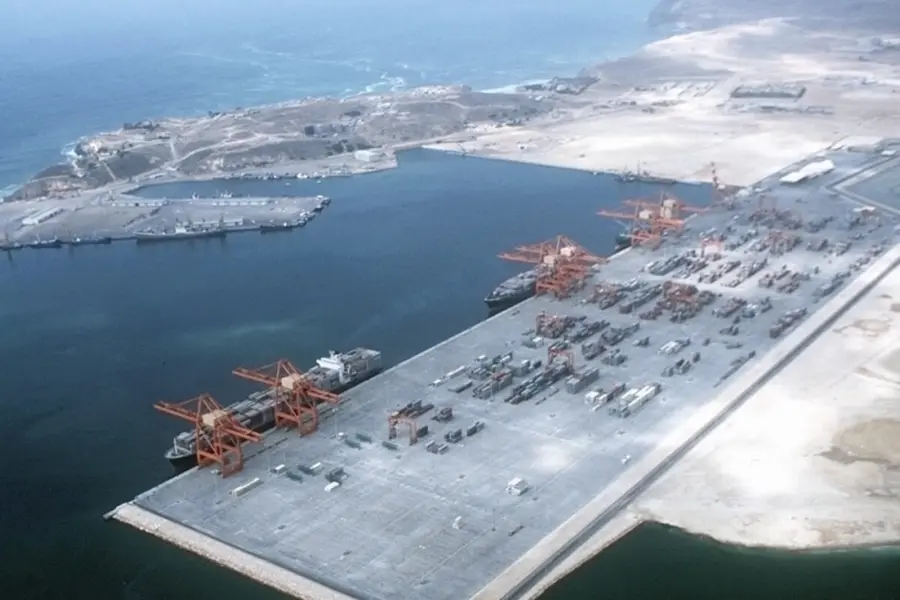
In a significant development, Yemen’s Houthi rebels claimed their first direct attack on Israel, signalling a widening of the conflict beyond its primary theatres. Meanwhile, two drones struck the port of Salalah in Oman, injuring a foreign worker and causing limited infrastructure damage. Omani authorities condemned the incident, calling it a hostile act and reinforcing their commitment to security.
Also Read

The escalation has also impacted the Gulf region. In the United Arab Emirates, missile and drone interceptions led to falling debris that caused fires in an industrial zone and injured five Indian nationals. Authorities confirmed the injuries were minor to moderate.
In Lebanon, an Israeli strike hit a civil defence ambulance in Kfar Tebnit, killing one paramedic and injuring four others, drawing sharp criticism from local agencies.
US war goals and shifting strategy
US President Donald Trump has outlined five objectives for the campaign against Iran, indicating that operations may soon begin to “wind down” despite incomplete outcomes.
Initially framed with fewer goals, the list has expanded over time, reflecting shifting priorities as the war continues. The objectives include weakening Iran’s missile capabilities, targeting its defence production infrastructure, maintaining air and naval dominance, curbing its nuclear programme, and ensuring regional security, particularly around key routes like the Strait of Hormuz.
The White House maintains that “Operation Epic Fury” is progressing ahead of schedule. However, analysts note that while US and Israeli strikes have degraded parts of Iran’s military and eliminated senior figures, Tehran continues to launch missiles and drones, indicating that its operational capacity remains intact.
Regional security and global implications
The Strait of Hormuz remains a focal point due to its importance for global energy supplies. India has confirmed that multiple merchant vessels carrying petroleum products are currently transiting the route, with naval support on standby to ensure safe passage.
Despite assurances that Indian ships and crew remain safe, the situation highlights the vulnerability of global trade routes amid escalating tensions.
A think tank assessment suggests Iran may intensify psychological pressure on Israel by launching frequent, smaller missile salvos throughout the day, forcing civilians into repeated sheltering and sustaining a climate of constant alert.
While the US and its allies claim tactical success, key strategic goals—particularly around Iran’s nuclear capabilities and long-term regional stability—remain unresolved. With Iran’s leadership structure intact and attacks continuing across multiple fronts, the conflict’s trajectory remains uncertain, carrying significant geopolitical and economic risks.
Published: 28 Mar 2026, 01:34 pm IST
Disclaimer: Kindly avoid objectionable, derogatory, unlawful and lewd comments, while responding to reports. Such comments are punishable under cyber laws. Please keep away from personal attacks. The opinions expressed here are the personal opinions of readers and not that of Mathrubhumi.