
A US FAA inspection order for select Boeing 787s targets potential fatigue crack risks linked to manufacturing discrepancies, with implications for passenger safety and Air India’s Dreamliner fleet.
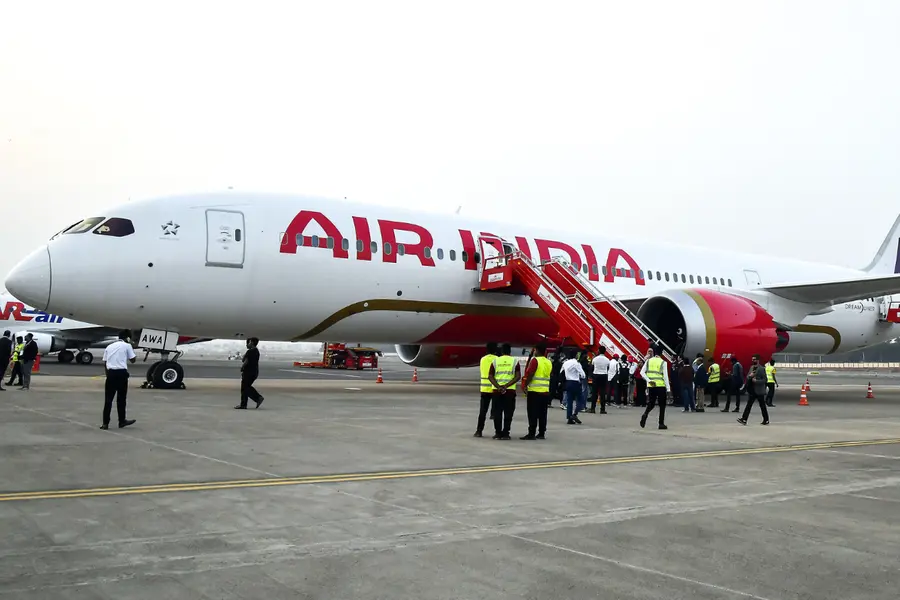
The US Federal Aviation Administration (FAA) has ordered inspections of certain Boeing 787 Dreamliner aircraft after a Boeing investigation found manufacturing discrepancies in a structural area where the aircraft’s wing connects with the fuselage. The directive applies to selected 787-8, 787-9 and 787-10 aircraft and requires repeated inspections for possible fatigue cracks.
For passengers, the development may sound alarming. Words such as wing structure, fatigue cracks and manufacturing errors naturally raise questions about flight safety. But the most important point is that the FAA directive is a preventive maintenance measure. It is designed to identify any cracking before it can become a larger structural problem.
Also Read

What exactly has the FAA found?
The issue involves the lower side-of-body splice plates, structural components located around the area where the wing and the central fuselage structure come together.
According to the FAA, Boeing's investigation found that gaps requiring shims between structural components may have exceeded the engineering allowances during manufacturing. Bringing components together when such gaps exist can create high forces around the fasteners used to join the structure. Over time, those forces could contribute to fatigue cracks forming around fastener holes.
This does not mean that every aircraft covered by the directive has a crack. Rather, the regulator wants operators to inspect the affected areas repeatedly so that any developing crack can be detected at an early stage.
Why repeated inspections matter
Aircraft structures are designed to withstand enormous forces during thousands of take-offs, landings and flight cycles. But structural components are also subjected to repeated loading throughout an aircraft's life. That is why aviation maintenance does not depend only on whether something has already failed.
The principle is to find potential weaknesses before they become failures.
In this case, the FAA has specified ultrasonic inspections for certain structural components, including splice plates and fittings, as well as detailed inspections of specified splice plates. If a crack is found, the applicable repair or corrective action must be carried out.
For passengers, this is an important distinction. An inspection directive is not necessarily evidence that an aircraft is unsafe to fly. It is part of the safety system designed to ensure that an aircraft continues to meet its airworthiness requirements.
What about Indian airlines?
The issue is particularly relevant to India because the Boeing 787 is an important part of Air India's long-haul fleet. Air India currently operates both 787-8 and 787-9 aircraft, and the airline is continuing to expand and modernise its Dreamliner fleet. Its first new 787-9 arrived in Delhi in January 2026, while 26 legacy 787-8 aircraft are undergoing cabin and wider refurbishment programmes.
Air India has also entered into a long-term Boeing Component Services Programme covering its entire 787 fleet, including existing aircraft and aircraft on order. The programme is designed to improve component availability, reduce downtime and support fleet reliability.
However, it is important not to assume that every Indian Boeing 787 is automatically affected by this particular directive. The FAA action applies to specified aircraft identified through the applicable Boeing requirements and service information.
For Indian operators, the relevant maintenance and airworthiness authorities and the airline's engineering teams would determine whether particular aircraft require the inspections.
What does this mean for someone booking a flight?
For the average passenger, there is no reason to interpret the FAA directive as meaning that Boeing 787 flights are suddenly unsafe. In fact, the inspection requirement illustrates how the aviation safety system is supposed to work.
A potential manufacturing issue is identified. Engineers investigate it. The manufacturer issues technical information. The regulator reviews the evidence. The regulator then makes appropriate inspections mandatory. Maintenance teams inspect the aircraft, and any necessary repairs are completed.
Only aircraft that meet the applicable airworthiness requirements should remain in service.
This is why passengers rarely see the complicated engineering work taking place behind the scenes. An aircraft may look perfectly normal from the boarding gate while engineers have already carried out detailed structural inspections, component checks and technical assessments that passengers will never notice.
The manufacturing lesson
The bigger story is beyond the 787, as modern aircraft are extraordinarily complex manufacturing systems. A small difference in a structural gap, fastener installation or assembly process can potentially have consequences that only become apparent after an aircraft has accumulated operating cycles. This is why manufacturing quality and maintenance are inseparable.
The lesson for the aviation industry is that quality control cannot end when an aircraft leaves the factory. Aircraft manufacturers, regulators, airlines and MRO providers need a continuous feedback loop in which manufacturing findings, operational experience, inspection results and engineering analysis inform future maintenance.
The 787 programme has previously faced scrutiny over manufacturing and delivery-quality issues. But the latest directive concerns a specific structural location and a defined group of aircraft; it should not be interpreted as a blanket finding that the entire 787 fleet has a structural defect.
Safety is built into the maintenance cycle
For passengers, the most reassuring aspect of this development is perhaps the least visible one. The aviation industry is designed to respond before a potential defect becomes an accident.
A crack that is discovered during a scheduled inspection can be repaired. A manufacturing discrepancy identified through engineering analysis can lead to additional inspections. A recurring problem can result in a service bulletin or an Airworthiness Directive. That chain of detection, assessment, inspection and corrective action is one of the foundations of commercial aviation safety.
The FAA has said the latest directive is intended to address a condition that could, if left undetected, allow fatigue cracks to grow and potentially weaken primary wing structure.
The important words are “if left undetected.” The purpose of the new requirement is precisely to ensure that such a condition does not remain undetected.
For India, where airlines are rapidly expanding long-haul operations and introducing newer widebody aircraft, that culture of preventive maintenance will become increasingly important. Air India's expanding 787 fleet and its investment in long-term component support underline the growing importance of keeping these aircraft reliable and airworthy as they operate an expanding international network.
Published: 27 Aug 2026, 07:24 pm IST
ABOUT THE AUTHOR
Disclaimer: Kindly avoid objectionable, derogatory, unlawful and lewd comments, while responding to reports. Such comments are punishable under cyber laws. Please keep away from personal attacks. The opinions expressed here are the personal opinions of readers and not that of Mathrubhumi.