
New 3,500–4,000 shp engine will power India’s upcoming IMRH and naval helicopter, strengthening the country’s push for indigenous aerospace capability
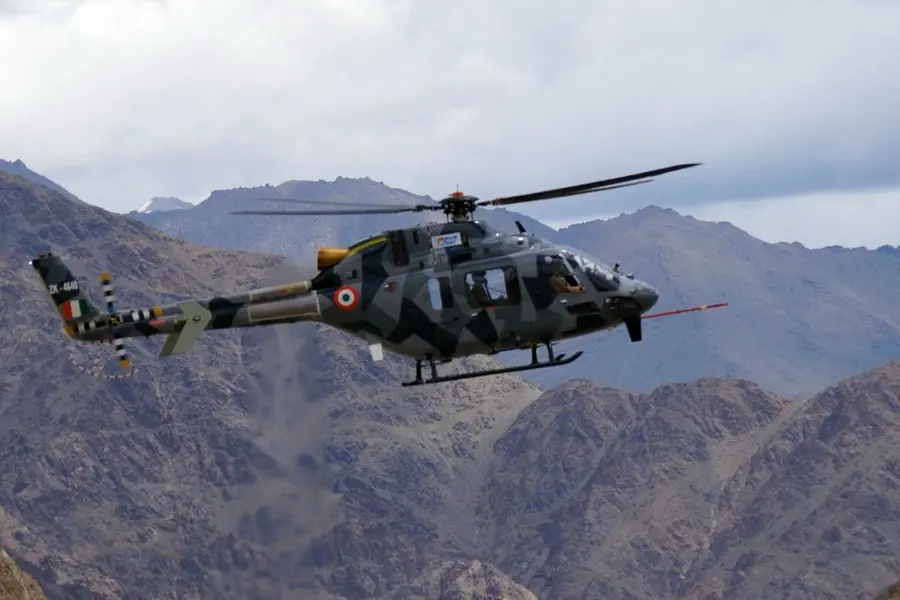
Hindustan Aeronautics Limited (HAL) and Safran Helicopter Engines have taken a major step towards developing a high-power helicopter engine in India. The two companies have signed a contract with their joint venture, SAFHAL Helicopter Engines Private Limited, for the launch and development of a new engine called ‘Aravalli’.
The programme is significant for India’s Make in India ambitions because it aims to build domestic capability in one of the most difficult areas of helicopter development, the engine.
The Aravalli engine will be developed in the 3,500 to 4,000 shaft horsepower (shp) class. It is planned to power HAL’s upcoming 13-ton Indian Multi-Role Helicopter (IMRH) as well as its naval version, the Deck-Based Multi-Role Helicopter (DBMRH).
For India, the programme is not only about developing an engine for two helicopter platforms. It could also help create a wider industrial ecosystem covering engine design, manufacturing, testing, maintenance and long-term support.
What is the Aravalli engine?
The Aravalli is a new-generation, high-power helicopter engine being jointly developed by HAL and Safran through SAFHAL. With a targeted power output of 3,500–4,000 shp, the engine is being designed for heavy and medium-lift helicopter applications. Its first major role will be to provide propulsion for HAL’s 13-ton IMRH and its naval derivative, the DBMRH.
The IMRH is being developed as an indigenous multi-role helicopter for the Indian armed forces. The naval version is intended to meet the requirements of operations from ships.
Developing an engine for such helicopters is strategically important because the powerplant is one of the most technically complex and critical systems on any aircraft. Engine technology involves advanced design, materials, manufacturing, testing and certification, as well as specialised maintenance throughout the engine's service life.
The Aravalli programme therefore represents an effort to develop these capabilities with a greater Indian industrial footprint.
A major Make in India step
India has been steadily expanding its capability to design and manufacture aircraft and helicopters. However, aero-engine technology remains one of the areas where the country has faced significant challenges.
The HAL-Safran programme is important against this background. Rather than simply importing an engine for an Indian-designed helicopter, the partnership is intended to create capabilities around the development, production and lifecycle support of a new powerplant.
According to HAL, the programme will bring together the expertise and capabilities of both parent companies through SAFHAL. The collaboration will cover advanced design methods, modern manufacturing processes, testing and product support, with the aim of meeting international aerospace standards. This could give Indian engineers and companies greater exposure to technologies and processes required for the development and support of high-power helicopter engines.
Powering India’s next-generation helicopter
The immediate requirement for the Aravalli engine comes from the IMRH and DBMRH programmes. The 13-ton IMRH is being developed by HAL for multiple missions, while the DBMRH is being developed for naval operations. Both platforms require a powerful and reliable propulsion system capable of supporting their operational roles.
The 3,500–4,000 shp Aravalli engine is therefore expected to become a key component of these future helicopters. For HAL, having an engine programme aligned with its helicopter development could also provide greater control over the long-term evolution of the platform. Engine and airframe development can be closely coordinated, potentially helping future upgrades and operational requirements.
One of the potentially wider benefits of the programme is its impact on India's Maintenance, Repair and Overhaul (MRO) sector. HAL has said that the Aravalli programme is expected to help catalyse the development of indigenous helicopter-engine MRO capabilities in India.
This is an important part of the Make in India story. Building an engine locally is only one part of creating a sustainable aerospace ecosystem. The country also needs the ability to inspect, repair, overhaul and support these engines throughout their operational life.
A stronger domestic engine MRO capability could reduce dependence on overseas facilities and improve turnaround times for operators. It could also create opportunities for Indian companies to participate in engine maintenance, component repair, testing and other aftermarket activities.
Over time, these capabilities could potentially support applications beyond the initial military programmes.
Potential beyond defence
Although the immediate focus of the Aravalli programme is on military helicopters, HAL has indicated that the programme could create future opportunities in the civil market as well.
This gives the project a broader strategic dimension. A successful high-power engine programme could potentially provide India with technology and industrial capabilities that can be adapted for future helicopter applications. It could also support the development of a domestic supplier network capable of serving both defence and commercial aerospace requirements.
For the Indian aerospace industry, such a transition would be important. A larger civil market could provide additional opportunities for Indian manufacturers and MRO companies while helping spread the cost and expertise developed through defence programmes.
Building an Indian aerospace ecosystem
The HAL-Safran partnership also highlights how India's aerospace strategy is increasingly moving beyond the simple acquisition of platforms. The larger objective is to develop design, manufacturing, testing and lifecycle-support capabilities within the country.
Ravi K, Chairman and Managing Director, HAL, said the Aravalli programme would support the operational requirements of the IMRH and DBMRH while contributing to the development of a stronger domestic aerospace industrial ecosystem.
Safran Helicopter Engines CEO Cedric Goubet said the programme builds on the companies' long-standing relationship and reflects their shared focus on innovation, technology development and industrial excellence.
The partnership combines HAL's experience in India's aerospace and defence sector with Safran's long-standing expertise in helicopter engines. For India, the key question will now be how effectively this cooperation translates into Indian manufacturing capability, technology development and a sustainable domestic supply chain.
Conclusion
The importance of the Aravalli engine goes beyond the specifications of a single powerplant. For the Make in India programme, developing a high-power helicopter engine represents an opportunity to strengthen capabilities in an area that requires advanced engineering and highly specialised manufacturing.
For the armed forces, a domestic engine programme could contribute to greater control over the availability and long-term support of critical helicopter fleets. For the aerospace industry, it could create opportunities across engineering, manufacturing, testing, component production and MRO.
And for India's emerging aviation ecosystem, the possibility of eventually taking technologies and capabilities developed through defence programmes into civil applications could provide another avenue for growth.
The Aravalli programme is therefore not simply an engine project for the IMRH and DBMRH. It is potentially a building block for India's ambition to develop a more self-reliant helicopter and aero-engine ecosystem, with Make in India extending from the aircraft itself to the propulsion system and its entire lifecycle.
Published: 26 Aug 2026, 02:01 pm IST
Related Topics
Disclaimer: Kindly avoid objectionable, derogatory, unlawful and lewd comments, while responding to reports. Such comments are punishable under cyber laws. Please keep away from personal attacks. The opinions expressed here are the personal opinions of readers and not that of Mathrubhumi.
