
The United States has approved arms sales worth over $8.6 billion to key Middle East allies, signalling continued military support amid ongoing tensions linked to Iran.
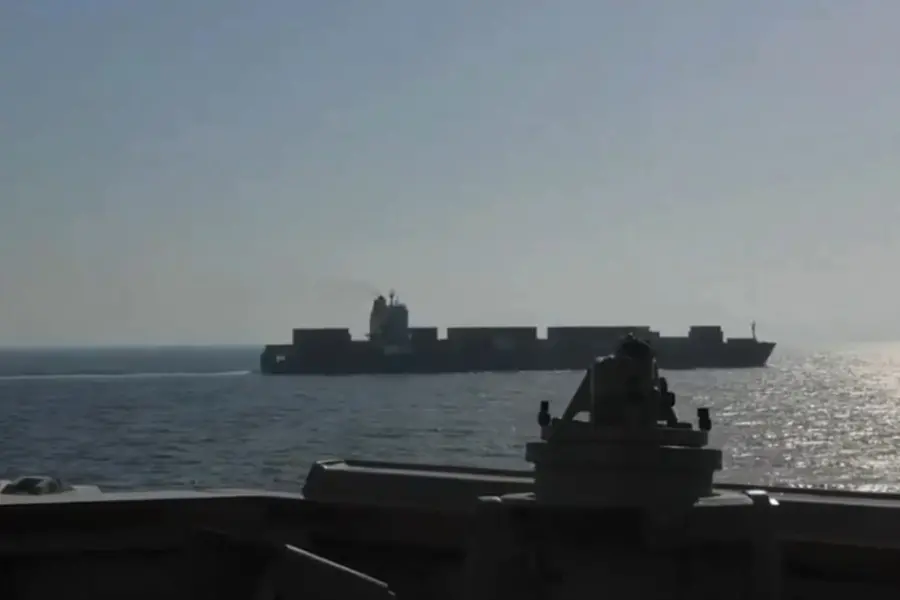
The United States Department of State has approved arms sales exceeding $8.6 billion to allies including Israel, Qatar, the UAE and Kuwait, as regional security concerns remain elevated.
Officials said the move reflects Washington’s continued commitment to strengthening defence capabilities among its partners during a period of instability linked to Iran.
Also Read

Qatar package includes Patriot systems and precision weapons
A significant portion of the deal is directed towards Qatar, with approvals covering Patriot air and missile defence replenishment services worth $4.01 billion.
The package also includes Advanced Precision Kill Weapon Systems (APKWS), a laser-guided weapons system valued at approximately $992.4 million. The State Department confirmed the proposed sale in an official statement, outlining its strategic importance.
The arms approvals come as tensions tied to the Iran conflict continue to shape the region’s security landscape. While a ceasefire remains in place, it is considered fragile.
Donald Trump said hostilities between the US and Iran had “terminated” following the ceasefire. However, a senior Iranian military official warned that renewed conflict remains possible, particularly as negotiations remain stalled.
Trump defends military action, criticises opponents
Speaking at a political event in Florida, Trump criticised domestic opponents for questioning the effectiveness of the US military campaign.
He described such criticism as politically motivated and harmful during a conflict situation. Trump also defended strikes targeting Iran’s nuclear infrastructure, stating they were necessary to prevent long-term regional threats.
He claimed the operations had significantly weakened Iran’s defence capabilities and reiterated that the US would not rush into a settlement before achieving its objectives.
Trump said diplomatic engagement with Tehran would continue but stressed that any agreement must meet US conditions.
He added that the US would avoid premature disengagement, warning that doing so could risk renewed instability in the Middle East.
The latest arms approvals underline ongoing volatility in the Middle East, with military preparedness, geopolitical rivalries and fragile diplomacy continuing to shape developments across the region.
Published: 02 May 2026, 07:37 pm IST
Disclaimer: Kindly avoid objectionable, derogatory, unlawful and lewd comments, while responding to reports. Such comments are punishable under cyber laws. Please keep away from personal attacks. The opinions expressed here are the personal opinions of readers and not that of Mathrubhumi.