
UNESCO removes Rainforests of Atsinanana, Abu Mena, & Old Town of Ghadamès from its World Heritage in Danger list after successful conservation efforts.
Paris: In a major boost for heritage conservation efforts in Africa, the United Nations Educational, Scientific and Cultural Organization (UNESCO) has removed three African sites from its List of World Heritage in Danger. The decision was made on July 9 during the 47th session of the World Heritage Committee, currently being held in Paris.
The three sites are the Rainforests of the Atsinanana in Madagascar, Abu Mena in Egypt, and the Old Town of Ghadamès in Libya. Their removal from the danger list marks the culmination of years of restoration and preservation efforts led by the respective countries with support from UNESCO.
"When sites are removed from the List of World Heritage in Danger, it is a great victory for all. For the countries and communities directly concerned, for UNESCO and, more broadly, for the shared heritage of humanity," said UNESCO Director-General Audrey Azoulay. She emphasised that UNESCO has been prioritising Africa by supporting training, facilitating new inscriptions, and backing initiatives to safeguard vulnerable sites.
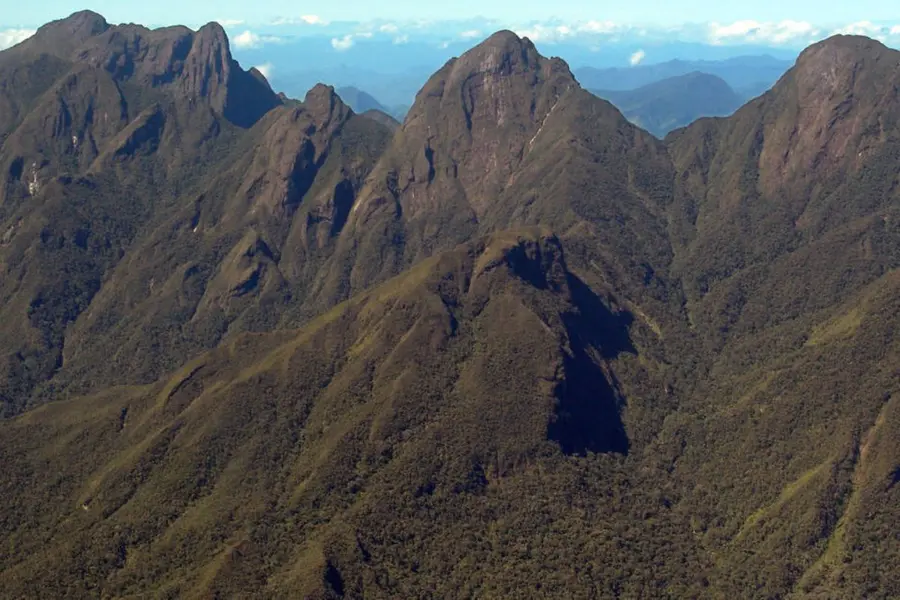
The Rainforests of the Atsinanana, inscribed in 2007 for their exceptional biodiversity, were added to the danger list in 2010 due to threats such as illegal logging and deforestation. These pressures jeopardised key species like lemurs. Successful conservation measures have now led to a significant improvement in the site's condition.
Egypt's Abu Mena, an early Christian pilgrimage site inscribed in 1979, had been under threat since 2001. Rising water tables caused by nearby agricultural irrigation had led to structural collapses, prompting its inclusion on the danger list. Stabilisation and protective measures have now restored the site's integrity.
In Libya, the Old Town of Ghadamès, known for its unique architecture and cultural importance, was placed on the danger list in 2016. The site had suffered due to armed conflict, fires and floods. Recent efforts to stabilise and preserve its structures have allowed for its safe removal from the endangered list.
UNESCO highlighted that the danger list serves not only to raise awareness about threats to world heritage sites but also to trigger global support and increased technical and financial assistance.
Since 2021, the organisation has helped remove additional endangered sites in the Democratic Republic of Congo, Uganda, and Senegal.
PTI inputs
Published: 10 Jul 2025, 08:09 am IST
Related Topics
Disclaimer: Kindly avoid objectionable, derogatory, unlawful and lewd comments, while responding to reports. Such comments are punishable under cyber laws. Please keep away from personal attacks. The opinions expressed here are the personal opinions of readers and not that of Mathrubhumi.
