
The new tariffs will hit a wide range of products, from everyday items like soup cans and paper clips to high-value goods
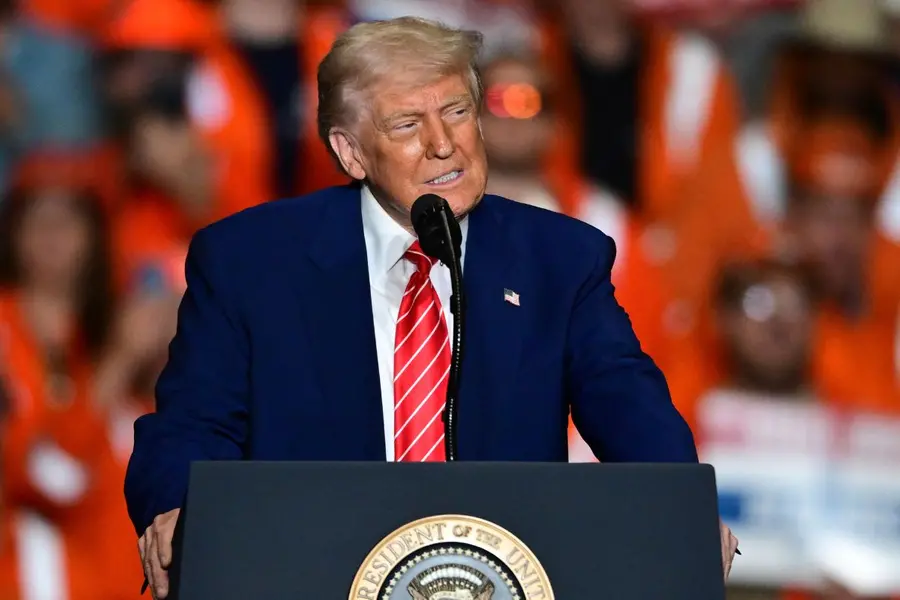
Washington: U.S. President Donald Trump has confirmed plans to dramatically increase tariffs on nearly all foreign steel and aluminium imports to 50%—a move expected to send shockwaves through industries ranging from construction to car manufacturing, and push up prices for consumers across the board.
The tariffs, which currently stand at 25%, will double from midnight Wednesday, following a proclamation issued by Trump on Tuesday. The president argues the hike is necessary to protect American industry and national security, stating it will counter countries “offloading low-priced, excess steel and aluminium in the United States.”
In a speech delivered at U.S. Steel’s Mon Valley Works–Irvin Plant near Pittsburgh last week, Trump told workers that the measure would “further secure the steel industry in the U.S.” He also outlined a planned partnership between U.S. Steel and Japan’s Nippon Steel.
The new tariffs will hit a wide range of products, from everyday items like soup cans and paper clips to high-value goods such as cars, washing machines and refrigerators. Economists warn that the cost increases will be passed along to businesses and, ultimately, consumers—particularly as steel and aluminium are vital to both product manufacturing and packaging.
Exemption for the UK
The United Kingdom, however, has secured an exemption. Following a trade deal signed on 8 May, British steel and aluminium will remain subject to the current 25% duty, rather than facing the new 50% rate.
Trump said the decision was “necessary and appropriate” as part of the broader agreement between the two nations. However, the U.S. reserves the right to alter this rate after 9 July if the UK is found not to be in compliance with the terms of the deal.
Industry reactions
While some in the U.S. steel industry have welcomed the increase, others caution that tariffs alone are not a panacea. David McCall, international president of the United Steelworkers union, acknowledged the value of tariffs as a “strategic tool” but emphasised the need for wider reforms and cooperation with allies like Canada to address broader issues in the global market.
Matt Meenan, spokesperson for the Aluminium Association, echoed that sentiment. He stressed that while the group “appreciates President Trump’s continued focus,” what’s needed is a “predictable trade and tariff policy” to foster investment and boost domestic production.
Economic impact
Since Trump returned to office in January, steel prices have already risen 16%, with the U.S. now paying significantly more for steel than Europe or China. As of March, the price of steel in the U.S. was $984 per metric ton, compared to $690 in Europe and $392 in China.
Economists warn that the increased tariffs will further strain supply chains, especially for industries reliant on imported metals. Even products not directly made of steel or aluminium could be affected, with rising prices for shelving, transport, and building materials feeding through to shop floors and construction sites.
For consumers, the implications could be widespread. From vehicle repair costs to grocery bills, the ripple effects of higher import costs could be felt for months to come.
International fallout
The European Union, which previously delayed retaliatory tariffs in hopes of striking a deal, signalled this week that it is preparing a list of countermeasures should talks with the U.S. fail. The bloc has given Washington until 14 July to reach an agreement.
Published: 04 Jun 2025, 06:49 am IST
Related Topics
Disclaimer: Kindly avoid objectionable, derogatory, unlawful and lewd comments, while responding to reports. Such comments are punishable under cyber laws. Please keep away from personal attacks. The opinions expressed here are the personal opinions of readers and not that of Mathrubhumi.
