
Despite the Strait of Hormuz remaining effectively blocked for nearly three months following the Iran-US conflict, India has continued moving critical cargo through the strategic waterway, with the Centre revealing that close coordination between ministries and diplomatic channels has helped maintain essential trade flows.
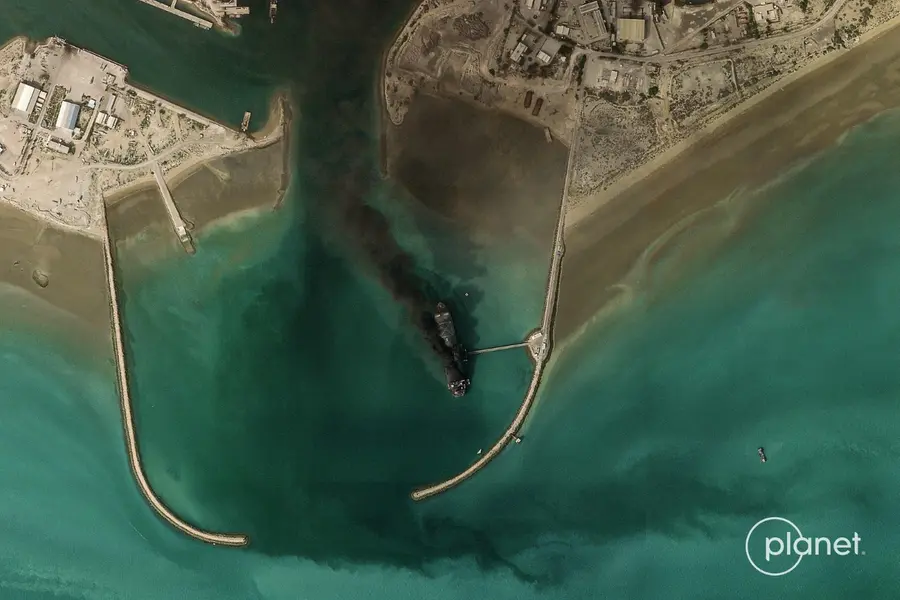
New Delhi: India has managed to keep vital maritime trade moving through the Strait of Hormuz despite one of the world's most important shipping corridors remaining severely disrupted by geopolitical tensions and security threats.
The development comes as the blockade of the Strait enters its third month, continuing to affect global energy markets and international shipping routes.
Also Read

Why the Strait of Hormuz matters
The Strait of Hormuz is one of the world's most strategically important waterways, connecting the Persian Gulf to international waters between Iran and Oman.
Nearly 20 per cent of global oil and liquefied natural gas shipments normally pass through the narrow channel, making it a critical route for energy-importing nations such as India, China, Japan and South Korea.
The conflict that erupted on February 28 following US-Israeli strikes on Iranian targets triggered a sharp escalation in the region. Iran responded by tightening control over the Strait, resulting in a virtual blockade and a dramatic reduction in maritime traffic.
Although active fighting largely ceased after a ceasefire between Tehran and Washington on April 9, shipping activity has not returned to pre-conflict levels.
How India kept vessels moving
At an inter-ministerial briefing on Friday, officials from the Ministry of Ports, Shipping and Waterways explained that India has relied on close coordination between multiple government departments to ensure the movement of essential cargo.
Opesh Kumar Sharma, Director (Shipping) at the ministry, said operational details could not be disclosed due to security considerations.
According to Sharma, coordination is carried out through the Ministry of External Affairs, while shipment priorities are determined jointly with the Ministry of Petroleum and Natural Gas and the Ministry of Fertilisers.
Based on these priorities, the government develops coordinated plans to facilitate the movement of vessels carrying critical commodities.
The strategy has helped India maintain supplies of crude oil, LPG, fertilisers and other essential imports despite the security challenges in the region.
13 Indian vessels currently in Hormuz
Government officials disclosed that around 13 Indian-flagged vessels are presently operating in the Strait of Hormuz region.
These include:
- One LPG tanker
- Five crude oil tankers
- One chemical or product tanker
- Three container ships
- Two bulk carriers
- One dredger
The continued presence of Indian vessels highlights New Delhi's efforts to keep trade flowing even as many international shipping operators remain reluctant to enter the high-risk zone.
India's operations have continued despite incidents involving Indian-linked vessels.
Earlier, Iran's Islamic Revolutionary Guard Corps reportedly targeted two Indian-flagged ships in the Strait, forcing them to reverse course amid heightened tensions.
The incidents underscored the risks faced by commercial shipping after Iran announced stricter controls over maritime traffic in response to developments linked to the regional conflict.
As a result, many global shipping companies either suspended operations or significantly reduced transit through the route.
Tankers slowly begin leaving the Gulf
While the Strait remains heavily restricted, shipping data indicates that some vessels have begun cautiously resuming transit.
According to maritime tracking information compiled by Bloomberg, 29 of the 109 large non-Iranian oil tankers trapped inside the Persian Gulf when the conflict began have now successfully exited through the Strait of Hormuz.
Most crossings have reportedly occurred under unusual circumstances.
Several tankers switched off their Automatic Identification System (AIS) transponders during transit, effectively "going dark" to reduce exposure to potential attacks. Some vessels are also reported to have travelled at night while crossing the chokepoint.
The vessels that have exited are carrying an estimated 520,000 barrels of oil per day, still only a fraction of the energy cargo stranded in the region.
Traffic remains far below normal
Despite the gradual movement, shipping activity remains significantly below historical levels.
Before the conflict, between 125 and 140 vessels typically passed through the Strait daily.
Current traffic averages only a handful of crossings per day, highlighting the continuing security concerns among shipowners and operators.
Recent tracking data showed crude oil tankers and liquefied natural gas carriers travelling towards major importers including India and China. Dispute over navigation assistance
Questions also remain about the role of the United States in facilitating maritime traffic.
Reports suggested that the US Navy had resumed an operation designed to help commercial vessels navigate through the Strait safely.
However, US Central Command publicly denied those claims.
Industry observers believe that US forces may instead be providing navigational advice and intelligence support without formally escorting ships through the waterway.
Meanwhile, Iran has asserted greater authority over the passage by establishing a new "Persian Gulf Strait Authority," requiring vessels to seek permission before transiting the route.
Tehran has warned that ships passing without approval could face consequences.
Chevron chief warns dangers remain
Despite tentative signs of improvement, energy industry leaders caution that the situation remains volatile.
Chevron Chief Executive Mike Wirth said several vessels had been attacked while transiting the Strait in recent days, including incidents that had not been publicly reported.
Wirth said Chevron currently has six chartered vessels operating in the Gulf region but would not pay any transit tolls demanded by Iran.
According to him, decisions regarding whether to sail through the Strait ultimately rest with shipowners and operators.
Ceasefire offers hope, but recovery could take months
Diplomatic efforts have provided some optimism after reports emerged of discussions aimed at extending the US-Iran ceasefire and exploring negotiations related to Iran's nuclear programme.
However, shipping experts caution that restoring normal traffic levels will likely take months even if diplomatic progress continues.
Analysts note that Iran continues to exercise significant influence over the waterway, and many shipping companies remain wary of returning until security conditions improve substantially.
For India, maintaining access to the Strait remains crucial. As one of the world's largest energy importers, the country depends heavily on Gulf oil and gas supplies, making uninterrupted maritime access a key national priority.
Published: 30 May 2026, 08:53 am IST
Disclaimer: Kindly avoid objectionable, derogatory, unlawful and lewd comments, while responding to reports. Such comments are punishable under cyber laws. Please keep away from personal attacks. The opinions expressed here are the personal opinions of readers and not that of Mathrubhumi.