
Trump, who has not ruled out fresh strikes following Iran’s violent suppression of demonstrations earlier this month, said the Islamic republic must agree to talks over its nuclear programme.
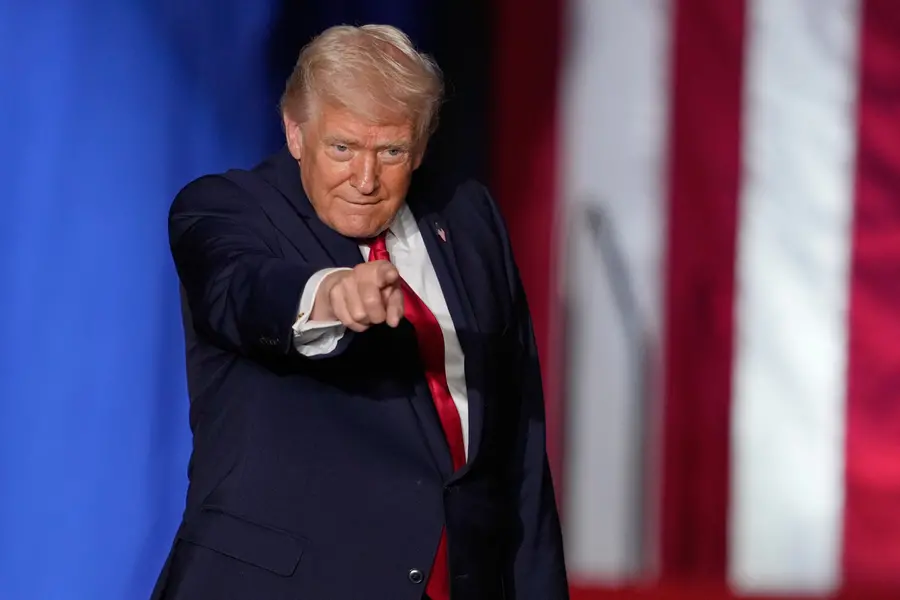
Washington/Tehran: President Donald Trump on Wednesday warned Iran that time is running out to avoid American military action, as Tehran rejected calls for negotiations amid escalating tensions and a mounting death toll from recent protests.
Trump, who has not ruled out fresh strikes following Iran’s violent suppression of demonstrations earlier this month, said the Islamic republic must agree to talks over its nuclear programme. In a post on Truth Social, he urged Tehran to “come to the table” and negotiate a deal banning nuclear weapons, stressing that “time is running out – it is truly of the essence”. He warned that any future US attack would be “far worse” than the strikes carried out against Iranian nuclear sites during the June war with Israel, which Washington supported.
Also Read

A US naval strike group, described by Trump as an “armada” and led by the aircraft carrier USS Abraham Lincoln, is currently deployed in Middle Eastern waters.
Also Read | ‘No room for miscalculation’: Netanyahu addresses Iran threat as US warships deploy
Iran warns of response ‘like never before’
Meanwhile, Iran’s mission to the United Nations said that would launch an unprecedented response to any US attack, reacting to Trump’s threats.
“Iran stands ready for dialogue based on mutual respect and interests—BUT IF PUSHED, IT WILL DEFEND ITSELF AND RESPOND LIKE NEVER BEFORE!,” the mission wrote on X, alongside a screenshot of Trump’s post last week claiming a “massive armada” was heading toward the Islamic Republic.
Iran foreign ministry rejects threats
Iranian Foreign Minister Abbas Araghchi dismissed Trump’s warnings, saying diplomacy conducted under threat “cannot be effective or useful”. He insisted Iran had not sought talks and criticised Washington’s “excessive demands”. Armed forces chief of staff Habibollah Sayyari cautioned the US against “miscalculation”, warning that America would also suffer damage in any confrontation.
Billboards have appeared in Tehran depicting Iranian forces striking a US aircraft carrier, underscoring the heightened rhetoric.
Iranian President Masoud Pezeshkian spoke with Saudi Crown Prince Mohammed bin Salman on Tuesday, while senior Iranian security official Ali Larijani held talks with Qatar’s Prime Minister Sheikh Mohammed bin Abdulrahman Al Thani. Qatar reiterated its support for efforts to reduce tensions and pursue peaceful solutions.
Egypt’s foreign minister Badr Abdelatty also spoke separately with Araghchi and US envoy Steve Witkoff, urging intensified efforts to de-escalate and create conditions for renewed dialogue. Turkey’s foreign minister Hakan Fidan told Al Jazeera that “it is wrong to attack Iran” and called on Washington to reopen nuclear talks.
Observers say US options could include strikes on military facilities or targeted attacks against Iran’s leadership under Ayatollah Ali Khamenei, in what would amount to a full-scale attempt to dismantle the system established after the 1979 Islamic revolution.
Over 6,000 killed in protests
Rights groups report that more than 6,200 people have been killed in the ongoing protests in Iran, most of them protesters shot by security forces, in unrest that peaked on January 8–9. Activists say the true toll could be far higher, with internet shutdowns hampering verification. The US-based Human Rights Activists News Agency (HRANA) has confirmed 6,221 deaths, including minors, security personnel and bystanders, and is investigating over 17,000 additional possible fatalities. More than 42,000 arrests have been recorded.
HRANA warned that security forces were searching hospitals for injured demonstrators, describing this as “new dimensions of the crackdown”. The group said the first trial linked to the protests had begun in Malard, outside Tehran, with state television broadcasting images of the accused. Rights organisations fear some detainees could face execution, after Iran’s judiciary announced on Wednesday that a man arrested in April 2025 had been put to death for allegedly spying for Israel’s Mossad.
AFP
Published: 28 Jan 2026, 09:13 pm IST
Disclaimer: Kindly avoid objectionable, derogatory, unlawful and lewd comments, while responding to reports. Such comments are punishable under cyber laws. Please keep away from personal attacks. The opinions expressed here are the personal opinions of readers and not that of Mathrubhumi.