
The meeting marks Putin’s first visit to Western soil since Russia’s February 2022 invasion of Ukraine, a war that has cost tens of thousands of lives
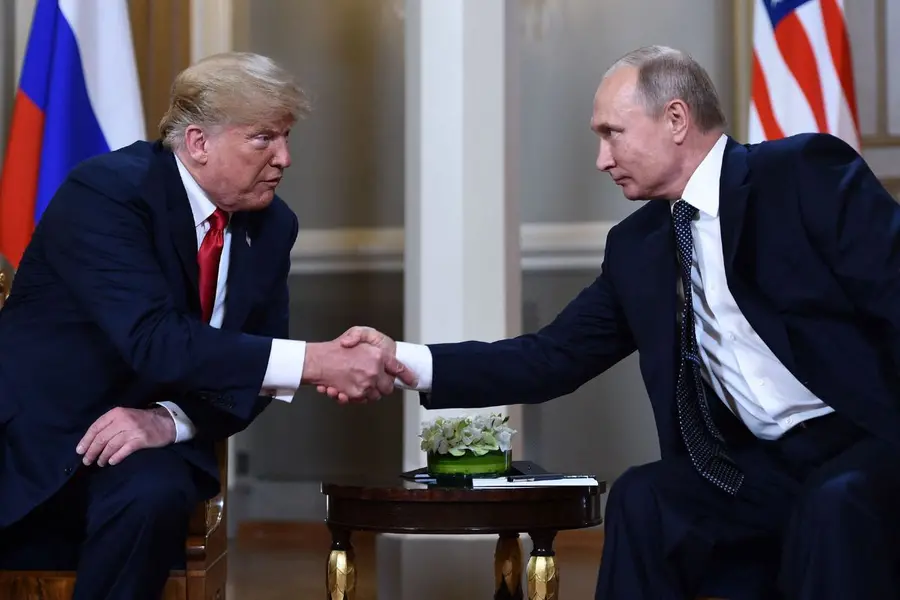
Anchorage: Pressure is mounting ahead of a high-stakes summit between former US President Donald Trump and Russian President Vladimir Putin, set to take place on Friday at Elmendorf Air Force Base in Anchorage, Alaska. The meeting marks Putin’s first visit to Western soil since Russia’s February 2022 invasion of Ukraine, a war that has cost tens of thousands of lives.
With major battlefield advances by Russian forces in Ukraine and growing international calls for de-escalation, the upcoming summit has captured global attention.
On Wednesday, Ukrainian President Volodymyr Zelensky held a phone conversation with Trump, as did several European leaders, who later expressed optimism that Trump would prioritise a ceasefire over territorial concessions by Kyiv.
Trump, however, struck a mixed tone ahead of the meeting. While hinting at the possibility of a follow-up summit involving both Zelensky and Putin, he also warned that the Friday talks could be a one-time event if Putin failed to provide the "answers that we have to have."
“There may be no second meeting because, if I feel that it's not appropriate to have it because I didn't get the answers that we have to have, then we are not going to have a second meeting,” Trump told reporters.
He warned Moscow of “severe consequences” if it did not halt its offensive, while keeping the door open for further diplomacy.
“If the first one goes okay, we'll have a quick second one,” Trump added, suggesting the inclusion of Zelensky in future talks.
The summit was reportedly proposed by Putin after Trump threatened new sanctions against Russia. Trump has also increased tariffs on Indian imports, targeting one of Russia's key energy customers.
The US Treasury has issued a special license allowing Vladimir Putin and his Russian delegation to enter Alaska despite ongoing sanctions. The exemption is valid until August 20th.
Zelensky, who previously faced a tense exchange with Trump during a February visit to the White House, remains sceptical of Moscow’s intentions.
“I have told my colleagues -- the US president and our European friends -- that Putin definitely does not want peace,” Zelensky said.
Speaking in Berlin alongside Zelensky, German Chancellor Friedrich Merz signalled some flexibility from Kyiv on negotiations.
“Ukraine is ready to negotiate on territorial issues,” he said, while emphasising that legal recognition of Russian-occupied regions “would not be up for debate.”
NATO Secretary-General Mark Rutte weighed in, stating:
“The ball is now in Putin’s court.”
Despite the diplomatic flurry, developments on the ground suggest the war is intensifying. According to an AFP analysis using data from the U.S.-based Institute for the Study of War, Russian forces made their largest single-day advance in over a year on August 12 -- capturing or claiming 110 square kilometres in eastern Ukraine.
In Kramatorsk, a city close to the front line, Ukrainian troops voiced doubts about the summit's impact.
“Putin is massing an army, his army is growing, he is stockpiling weapons, he is pulling the wool over our eyes,” said Artem, a 30-year-old soldier.
“The war will likely continue for a long time.”
Published: 14 Aug 2025, 08:14 am IST
Disclaimer: Kindly avoid objectionable, derogatory, unlawful and lewd comments, while responding to reports. Such comments are punishable under cyber laws. Please keep away from personal attacks. The opinions expressed here are the personal opinions of readers and not that of Mathrubhumi.
