
After nearly two decades in exile, BNP leader Tarique Rahman says he’s finally ready to return to Bangladesh — and contest the upcoming election.
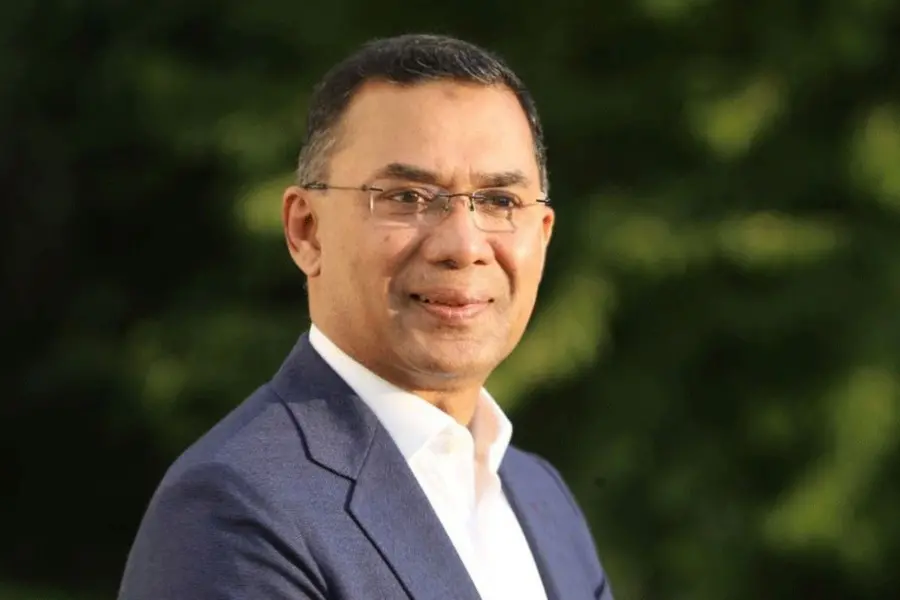
Tarique Rahman, the exiled de facto chief of Bangladesh’s main opposition Bangladesh Nationalist Party (BNP), has announced plans to return home after nearly two decades in London — a move that could reshape the country’s political landscape.
The 59-year-old leader, son of former Prime Minister Khaleda Zia and late President Ziaur Rahman, said in a rare interview that his “long-delayed return” would happen soon.
He also confirmed his intention to contest the national elections slated for February 2026, stating that the people “will decide whether I should lead the nation.”
Born in 1965 in Bogura, Rahman grew up in one of the country’s most powerful political families.
His father, Ziaur Rahman, a war hero who became president after the 1971 Liberation War, was assassinated in 1981. His mother, Khaleda Zia, became the nation’s first woman prime minister a decade later.
Educated at Shaheen High School and Dhaka Residential Model College, Rahman later studied political science and international relations at Dhaka University before entering business.
He married Dr Zubaida Rahman, a physician, and later ventured into politics, rising swiftly through the BNP ranks during his mother’s tenure.
Rahman emerged as a national figure in the early 2000s, travelling across the country to mobilise grassroots support, but his career was dogged by controversy.
Convicted in absentia in connection with the 2004 grenade attack on Sheikh Hasina’s rally — which killed 20 people — he was sentenced to life imprisonment, a verdict he insists was politically motivated. He also faced multiple corruption charges during Hasina’s 15-year rule.
After Hasina’s government was toppled in 2024 following a student-led uprising, most of the cases against Rahman were overturned.
His mother, who had been under house arrest for years, was acquitted earlier this year and is currently receiving medical treatment in London.
Rahman’s return coincides with the transitional government led by Nobel laureate Mohammed Yunus preparing for national elections.
With Hasina in exile in India and her Awami League dissolved, Rahman’s BNP sees an opportunity to regain lost ground.
Yet, Bangladesh’s politics have shifted — new parties like the National Citizen Party, born out of the 2024 protests, are gaining traction among the youth.
Rahman remains a polarising figure — admired for his organisational skill but criticised for alleged graft.
His challenge now is to convince voters that the BNP, under his leadership, represents renewal rather than a return to Bangladesh’s dynastic politics.
As Rahman readies his homecoming, one question looms large: can the man long known as Bangladesh’s “crown prince in exile” finally ascend to the throne?
Published: 13 Oct 2025, 07:40 am IST
Disclaimer: Kindly avoid objectionable, derogatory, unlawful and lewd comments, while responding to reports. Such comments are punishable under cyber laws. Please keep away from personal attacks. The opinions expressed here are the personal opinions of readers and not that of Mathrubhumi.
