
On Norway’s remote Arctic island of Svalbard, strict century-old laws forbid both births and deaths, forcing residents to leave for medical care while protecting its fragile ecosystem.
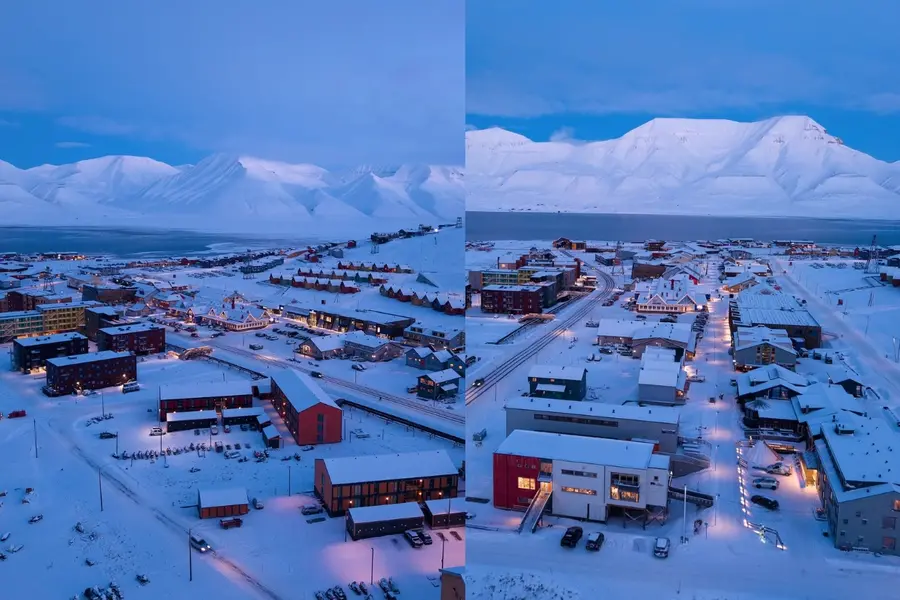
Tucked in the Barents Sea, over 1,000 kilometres from mainland Norway, lies the remote Arctic archipelago of Svalbard. Known for its harsh winters and extreme isolation, Svalbard has earned nicknames like "Depression Island." Governed under the 1920 Svalbard Treaty, Norway has full sovereignty over the islands, but strict environmental and logistical regulations make life here unlike anywhere else on Earth.
One of the most unusual rules is that no one can be born or die on the islands. Longyearbyen, Svalbard’s main settlement with a population of around 2,500, lacks the facilities for complex medical care, childbirth, or elderly care. Local doctors explain that patients requiring advanced treatment are immediately airlifted to mainland Norway. Similarly, there are no new cemeteries on the islands; residents must leave for end-of-life care, ensuring both human safety and protection of the fragile Arctic ecosystem.
Also Read

These rules are reinforced by the archipelago’s extreme climate. During the long winter months, flights and access are limited, making medical emergencies particularly challenging. The prohibition on births and deaths also helps maintain the delicate local environment, minimizing soil pollution and human impact. Svalbard is home to mining operations, a small research community, and the world-famous Global Seed Vault — a “Doomsday Ark” storing millions of seed samples to safeguard global crop diversity against disasters and climate change.
Geographically, Svalbard comprises nine main islands, with Spitsbergen being the largest. The terrain is dominated by glaciers and snowfields covering nearly 60% of the land, punctuated by mountainous topography and fjords along the western and northern coasts. Wildlife includes polar bears, reindeer, Arctic foxes, and imported musk ox, all protected under law. Vegetation is sparse, with only dwarf birch and polar willow able to survive the Arctic conditions.
Historically, the islands were first discovered in 1194, then rediscovered by Dutch explorers Willem Barents and Jacob van Heemskerck in 1596. Whalers from multiple European nations arrived in the 17th and 18th centuries, followed by coal miners in the 19th and 20th centuries. Today, only Norway and Russia continue coal extraction, alongside limited trapping activities.
Svalbard also serves as a hub for Arctic research. The Norwegian Polar Institute and the University Centre in Svalbard support scientific exploration and studies on climate, glaciers, and Arctic ecosystems. The island’s isolation, unique legal framework, and ecological protections make it one of the most extraordinary human settlements in the world — a place where life is carefully preserved, yet birth and death remain strictly prohibited.
Published: 03 Nov 2025, 12:11 pm IST
Related Topics
Disclaimer: Kindly avoid objectionable, derogatory, unlawful and lewd comments, while responding to reports. Such comments are punishable under cyber laws. Please keep away from personal attacks. The opinions expressed here are the personal opinions of readers and not that of Mathrubhumi.