
SpaceX cancels Starship test flight, fuelling doubts over Moon and Mars mission ambitions.
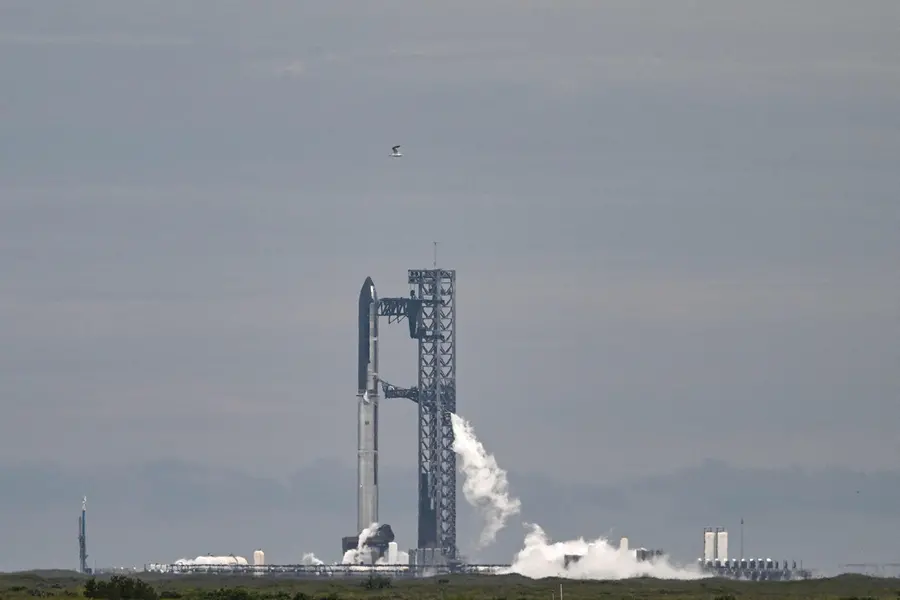
SpaceX cancelled the planned tenth test flight of its Starship megarocket on Sunday, citing the need to troubleshoot ground system issues. The rocket was set to launch from Starbase in southern Texas at 6:30 pm local time. Around 15 minutes before lift-off, SpaceX posted on X: "Standing down from today's tenth flight of Starship to allow time to troubleshoot an issue with ground systems."
Musk’s Mars and Moon ambitions at stake
The latest setback adds to questions over whether the world’s most powerful rocket can safely take humans back to the Moon or achieve Musk’s long-term goal of colonising Mars. NASA also depends on a modified version for its lunar missions.
Repeated failures this year
Starship’s upper stage, designed to carry crew and cargo, has exploded in all three test flights in 2025. Two failures scattered debris across Caribbean islands, while another broke up after reaching space. In June, the upper stage exploded during a ground “static fire” test.
Plans for the tenth mission
The uncrewed hour-long mission was supposed to test the upper stage on a flight halfway around the world, while the lower stage booster was set to splash down in the Indian Ocean. SpaceX confirmed that the launch could still take place on Monday or Tuesday, though no timeline was given.
Mixed success with booster recovery
While the company has successfully caught the lower stage booster three times using its giant launch tower arms, this latest flight was not planned to attempt the manoeuvre. Despite the failures, SpaceX continues its "fail fast, learn fast" approach, which has previously brought success with its Falcon rocket family.
Growing criticism and expert concerns
Analysts warn that repeated failures are beginning to tarnish SpaceX’s reputation. Dallas Kasaboski, of Analysys Mason, said: "We've had so many tests and it hasn't proven itself reliable -- the successes have not exceeded the failures." Commentator Will Lockett argued that Starship’s inability to deliver a payload to orbit shows the design may be "fundamentally flawed."
Challenges ahead despite FAA clearance
The FAA last week closed its investigation into the most recent Starship explosion, confirming no injuries occurred. Musk, however, insists uncrewed Mars missions could begin as early as next year. For now, the company must overcome significant hurdles, from making the system fully reusable to proving it can refuel propellant in orbit.
Published: 25 Aug 2025, 06:27 am IST
Disclaimer: Kindly avoid objectionable, derogatory, unlawful and lewd comments, while responding to reports. Such comments are punishable under cyber laws. Please keep away from personal attacks. The opinions expressed here are the personal opinions of readers and not that of Mathrubhumi.
