
The blockbuster SpaceX IPO has propelled Elon Musk’s fortune to unprecedented levels, with estimates placing his wealth near the $1 trillion mark.
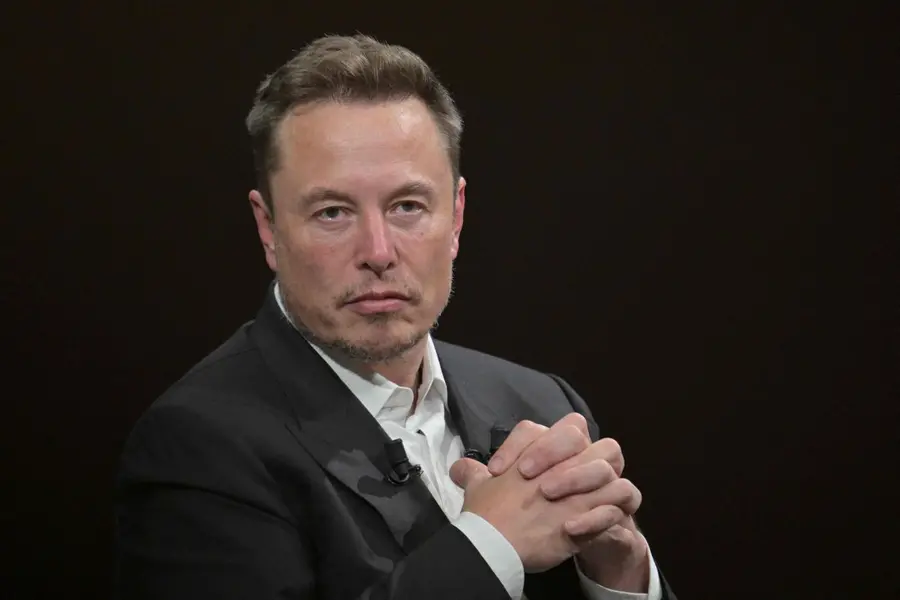
Elon Musk has spent years redefining industries ranging from electric vehicles and artificial intelligence to social media and space exploration.
Now, following the blockbuster public listing of SpaceX, the billionaire entrepreneur has achieved something that once seemed impossible: accumulating a personal fortune so vast that comparisons with entire national economies are no longer considered absurd.
The historic SpaceX IPO, which raised roughly $75 billion and valued the company at around $1.77 trillion, instantly became one of the most significant moments in financial market history.
Investor demand was enormous, reflecting Wall Street’s belief that SpaceX is not just a rocket company but a business positioned at the centre of future technologies including satellite communications, artificial intelligence and space infrastructure.
For Musk, who remains the largest shareholder in SpaceX, the listing translated into an extraordinary jump in personal wealth.
Estimates vary across financial trackers, but several reports place his net worth near or above the $1 trillion mark, making him the first person ever to approach or cross that milestone.
The comparison that has captured global attention is Taiwan. Depending on the valuation method used, Musk’s personal fortune is now being measured against the annual economic output of nations.
Taiwan’s GDP is estimated at roughly $800 billion to $900 billion, meaning Musk’s wealth, on paper, has reached levels comparable to or even greater than the economic production of the island economy. While wealth and GDP are very different metrics and cannot be directly compared, the symbolism is striking. A single individual now controls assets valued similarly to what millions of people collectively produce in a year.
What makes the story even more remarkable is that SpaceX was once considered one of Musk’s riskiest ventures.
Founded in 2002, the company survived repeated launch failures and financial crises before emerging as the dominant force in commercial spaceflight.
Today, its Falcon rockets routinely carry satellites and astronauts into orbit, while its Starlink network serves millions of users worldwide.
Investors are also betting heavily on future projects such as Starship, lunar missions and Mars exploration.
Yet the celebration is not universal. Critics argue that SpaceX’s valuation has raced ahead of traditional financial fundamentals.
Some analysts warn that investor enthusiasm around Musk’s vision may have inflated expectations to unsustainable levels.
Questions also remain about profitability, governance, and whether the company can justify its enormous market value over the long term.
Regardless of where the debate lands, one fact is undeniable: the SpaceX IPO has created a new chapter in the history of wealth. Elon Musk is no longer just the world’s richest person.
He has become a financial phenomenon whose fortune is now discussed in the same breath as the economies of entire countries.
Published: 12 Jun 2026, 12:34 pm IST
Disclaimer: Kindly avoid objectionable, derogatory, unlawful and lewd comments, while responding to reports. Such comments are punishable under cyber laws. Please keep away from personal attacks. The opinions expressed here are the personal opinions of readers and not that of Mathrubhumi.
