
Houthi strikes hit Saudi Arabia and Red Sea shipping, crippling oil pipelines and injuring civilians.
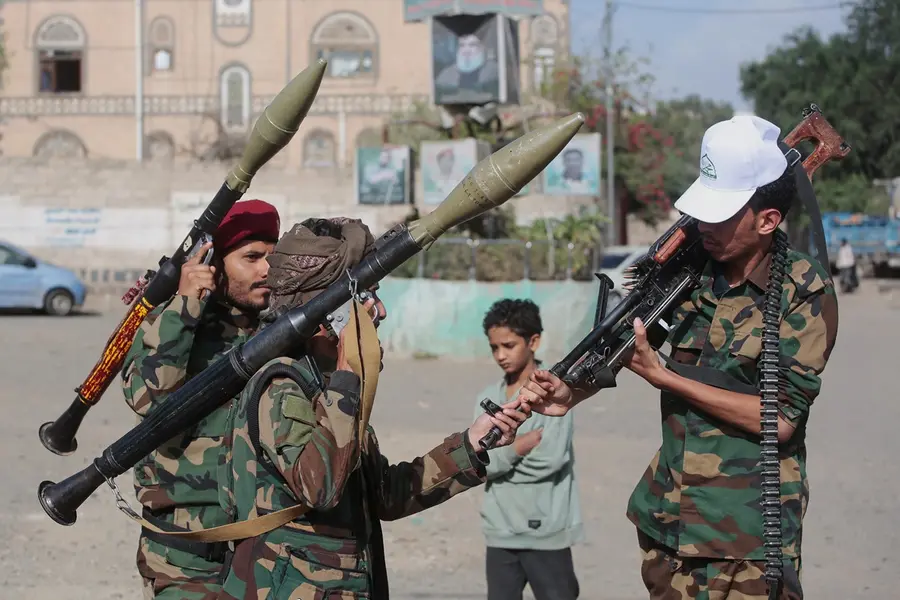
Saudi Arabia has warned it will react "firmly" after Yemen's Houthi rebels launched a series of missile and drone attacks that injured 13 civilians in the kingdom's south. The strikes on Monday, 14 September 2026, targeted civilian areas across Khamis Mushait, Abha, and Taif, damaging seven houses and two vehicles. This sudden escalation comes alongside rapid Houthi territorial advances along vital Red Sea shipping corridors and severe damage to Saudi Arabia’s main oil pipeline, threatening global petroleum supplies and reigniting a devastating civil war in Yemen.
Civilians injured as air raids rattle Saudi towns
During the strikes on Monday, Houthi forces launched ballistic missiles and drones aimed at civilian objects and military infrastructure. Houthi military spokesperson Brigadier General Yahya Saree claimed the group carried out a "large-scale" attack, firing "dozens of ballistic missiles and drones" targeting hangars, radar installations, and ammunition depots at the King Khalid Air Base in Khamis Mushait. Saudi military spokesperson Major General Turki al-Malki confirmed that strikes hit civilian areas, causing minor to moderate injuries to 13 civilians and damaging homes and vehicles. A local resident in Khamis Mushait described hearing "intense blasts" that left fires burning for a "long time". "Honestly, we couldn't sleep at all," the resident told AFP.
In response, Saudi forces launched over 50 retaliatory airstrikes and issued temporary air-raid alerts across six regions on Tuesday morning. The Riyadh-led coalition stated it would deal with the attacks "firmly to protect the sovereignty of the Kingdom" and take "all necessary operational measures to deter this... hostile and extremist approach". However, Hazem al-Assad from the Houthis' politburo warned: "Yemeni response will continue and escalate as long as they (Saudi Arabia) persist in their aggression against our people". Elsewhere, a Houthi strike in western Yemen on Monday killed eight government soldiers.
Red Sea islands seized and crucial oil pipeline disabled
Alongside missile strikes, Houthi rebels have made rapid military gains along the Red Sea coast. After hundreds of government-allied forces withdrew from the archipelago, the rebels seized the strategic islands of Greater and Lesser Hanish. Located 160 kilometres (100 miles) north of the Bab el-Mandeb Strait, these islands bolster Houthi control over key maritime shipping routes. Last week, the rebels also captured the port city of Mokha and Mayun island inside the strait. The Bab el-Mandeb Strait serves as a vital choke point connecting the Red Sea to open ocean markets in Asia. The Houthi expansion places their forces just 32 kilometres (20 miles) from a US military base in Djibouti.
These advances have dealt a severe blow to Saudi oil exports. Following Iranian attacks during the wider US-Iran war that stifled shipping through the Strait of Hormuz, Saudi Arabia relied on its 1,200-kilometre (745-mile) East-West Pipeline to move crude from Gulf ports to Yanbu on the Red Sea. However, an attack last Thursday blamed on Iranian-backed militias in Iraq damaged a major pumping facility and forced the pipeline's shutdown. Regional officials estimate repairs will take three to five weeks. The pipeline had been moving 2.6 million to 4 million barrels per day. Saudi oil production had already dropped to 6 million barrels per day in August from nearly 10 million barrels per day in September the previous year.
When Houthi attacks in the Bab el-Mandeb Strait began in late July, tankers from Yanbu turned north toward the Mediterranean via the Suez Canal or an Egyptian pipeline, increasing delivery time and costs to Asian clients. The pipeline shutdown pushed Brent crude prices up to $109 a barrel. Research firm Rystad Energy noted that the price jump is "a clear signal that the market is increasingly pricing in a significant loss of supply". Rystad added that a monthlong closure represents a "large disruption", while a longer shutdown would "require a major reallocation of global crude flows". Meanwhile, Saudi Aramco did not immediately comment, and Saudi Arabia's Center for International Communication said it was reviewing media inquiries regarding repair timelines.
Yemen plunged back into humanitarian catastrophe
The renewed fighting, which reignited in July when Houthis declared a maritime blockade on Riyadh, is shattering the truce maintained since 2022. The World Health Organization reported that over 500 people were killed in Yemen in the last week alone, up from nearly 200 the previous week. The clashes have displaced 93,864 people. Khanzad Shah, acting head of Islamic Relief, described the desperate situation facing displaced families: "Many of them don’t have enough food or water as they had to flee with whatever they could carry. In some areas, whole villages have reportedly emptied".
Around 200 schools in south-western Yemen have been converted into emergency shelters. On Sunday, Yemeni government forces reported recapturing positions in Taiz province and conducting airstrikes that killed at least 10 Houthi gunmen. Since 2014, when Houthis seized the capital Sanaa, the civil war has killed over 150,000 people and brought Yemen to the brink of famine. The internationally recognised government, backed by a Saudi-led coalition since 2015, controls the south and east, including the port of Aden.
Diplomatic deadlock and regional escalation
The fighting in Yemen is closely connected to broader regional confrontation. Iranian foreign ministry spokesman Esmaeil Baqaei rejected claims of Iranian direction, stating: "Iran does not interfere in Yemeni affairs," and adding that the Houthis are "entirely independent actors who make their decisions based on their own interests". Nevertheless, a proposed meeting between Gulf states and Iran over the Strait of Hormuz was postponed on Monday after Tehran accused Riyadh of using Yemen as a "pretext" to delay talks.
Concurrently, US President Donald Trump stated on Truth Social: "The failing Nation of Iran wants to make a deal, quickly and badly. I will determine whether or not the U.S.A. will choose to engage -- The concept of which we are open to". In response, Iran’s top security chief Mohsen Rezaei wrote on X: "there will be no negotiations until Iran's conditions are met. That is all there is to it". Reports indicate President Trump previously rejected a personal request from Saudi Crown Prince Mohammed bin Salman to intervene in the conflict. On Monday, Crown Prince Mohammed bin Salman met US Central Command chief Admiral Brad Cooper in Jeddah to discuss regional developments, following Cooper's arrival in Saudi Arabia for urgent coordination meetings. The Crown Prince was also expected to hold talks with Egyptian President Abdel Fattah al-Sisi on Tuesday.
Published: 15 Sept 2026, 10:25 am IST
Related Topics
Disclaimer: Kindly avoid objectionable, derogatory, unlawful and lewd comments, while responding to reports. Such comments are punishable under cyber laws. Please keep away from personal attacks. The opinions expressed here are the personal opinions of readers and not that of Mathrubhumi.
