
In recent fighting with Saudi Arabia, the group has deployed long-range drones, manoeuvrable warheads, and ballistic missiles.
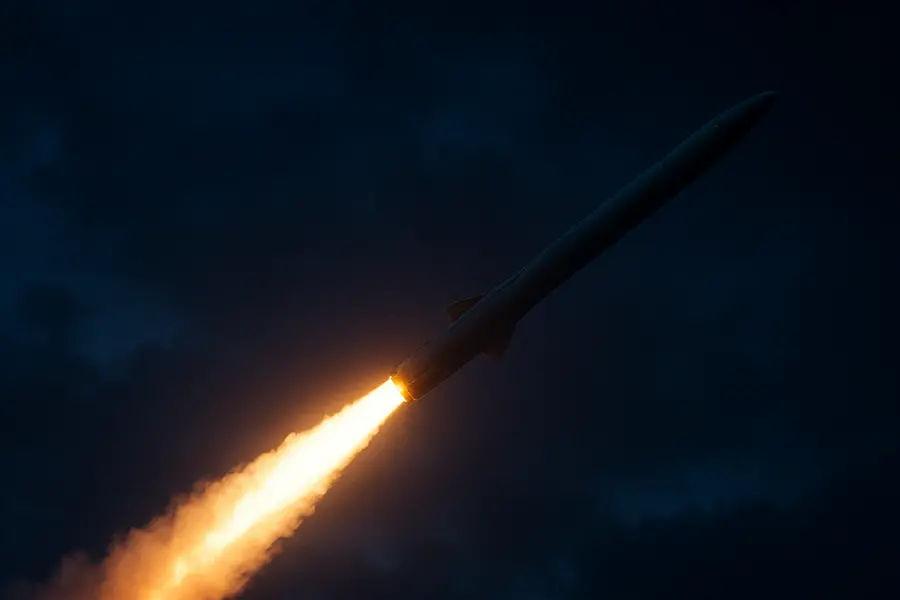
Yemen's Houthi movement is attempting to build an advanced medium-range ballistic missile system using specialised components imported from Chinese suppliers, according to a report published on Wednesday by a UK-based weapons tracking organisation.
The findings by Conflict Armament Research follow the interception of two suspicious shipments by Yemeni government authorities in July. The cargo, which originated in China, was bound for Hodeidah, a Red Sea port controlled by the Houthis. United Nations records indicate that China accounts for the largest proportion of intercepted arms shipments destined for Houthi-controlled territory. Security forces aligned with Yemen's recognised government have also repeatedly seized missile parts and launch gear at the southern port of Aden.
Intercepted cargo points to domestic manufacturing
Inspectors examining the seized containers found rocket motor igniters, stabilizing fin cores, and motor closures fitted with nozzle attachments. The shipments also contained phenolic resin, a material used to manufacture heat shields that protect high-speed missiles from intense friction when re-entering the atmosphere.
Arms experts confirmed that these specific parts have no civilian uses and are designed to build a version of Iran's Kheibar Shekan precision-guided missile, which has an operational range of around 2,000 kilometres. Because complete missile systems are extremely difficult to transport intact without detection, importing individual parts allows the group to assemble weapons inside their own facilities.
Expanding beyond Iranian supply lines
Iran has long served as the primary source of blueprints and military equipment for the Houthis. However, recent shipments from Tehran have shifted away from complete weapons towards individual components. Defence analysts note that opening new supply routes beyond Iran helps the group build backup options and maintain operations during naval blockades.
To keep this procurement pipeline moving, the Houthis rely on a global supply network that connects local tribal smugglers in Yemen with commercial export hubs operating in eastern China. While the group still depends on Iran for complex navigation and flight control technology, they can now produce a significant portion of missile bodies locally. This approach mirrors tactics used by other regional groups, such as Hamas in Gaza and Hezbollah in Lebanon, which combine imported parts with local assembly.
Growing threats to regional shipping and trade
The Houthis began two decades ago as an insurgent group reliant on older Soviet and North Korean weapons. Over time, their military capacity has expanded significantly. In recent fighting with Saudi Arabia, the group has deployed long-range drones, manoeuvrable warheads, and ballistic missiles. A recent missile strike on the international airport in Riyadh bypassed Saudi air defences, killing at least 18 people. The rebels have also fired long-range missiles and drones at targets in Israel, more than 1,600 kilometres away.
This escalation comes as Saudi Arabia and Yemeni government forces launch a military campaign to push Houthi fighters back from the Bab el-Mandeb Strait, a vital shipping lane for international oil and commercial goods. The presence of Chinese components creates a delicate diplomatic situation across the region. China is a major buyer of both Saudi and Iranian oil, and helped negotiate a diplomatic thaw between Riyadh and Tehran in 2023. While Beijing has called for peace and criticised airport strikes, Saudi Arabia may now press its largest trading partner to enforce stricter controls on equipment leaving Chinese ports.
Published: 15 Oct 2026, 08:47 am IST
Disclaimer: Kindly avoid objectionable, derogatory, unlawful and lewd comments, while responding to reports. Such comments are punishable under cyber laws. Please keep away from personal attacks. The opinions expressed here are the personal opinions of readers and not that of Mathrubhumi.
