
Russia has begun importing gasoline from India to ease fuel shortages caused by Ukrainian attacks on oil refineries, while India's imports of Russian crude reached a record high in June.
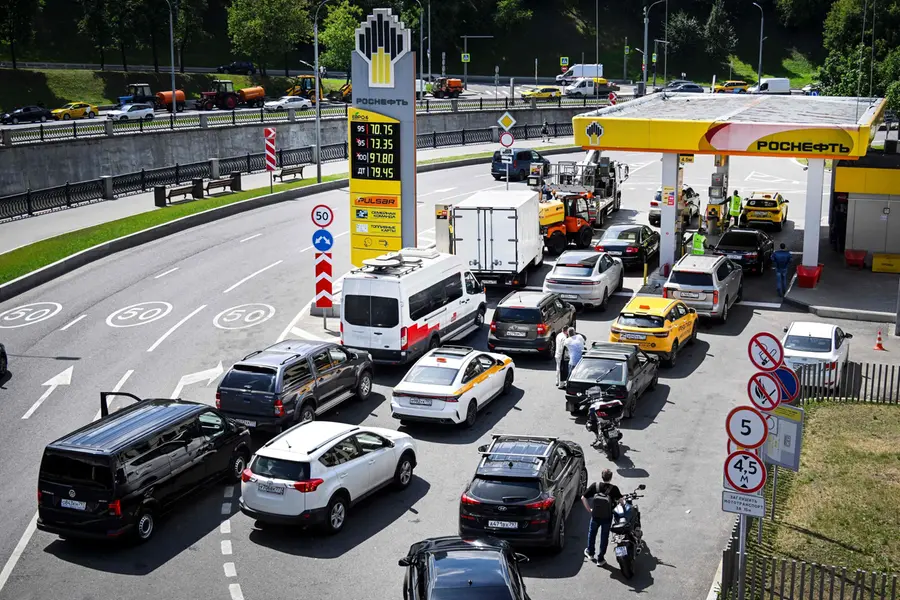
Moscow: Ukraine's sustained drone strikes on Russian energy infrastructure have forced Moscow to seek gasoline imports from India to ease worsening fuel shortages. The move highlights the growing impact of the war on Russia's domestic energy supplies.
Russia has started importing gasoline from India by sea to tackle growing fuel shortages caused by repeated Ukrainian attacks on its energy infrastructure, according to industry sources cited by Reuters.
Also Read

The move comes as fuel shortages have spread across Russia, leading to rationing, long queues at petrol stations and record-high gasoline prices. The shortages have affected multiple regions across the country's 11 time zones during the peak summer fuel demand season.
According to the sources, India has already shipped at least 60,000 metric tonnes of gasoline to Russia. Two cargoes carrying between 30,000 and 40,000 tonnes each have reportedly been dispatched. Russia is also planning to import around 400,000 tonnes of gasoline every month from several countries, including neighbouring Belarus, which has significantly increased its fuel supplies.
The Kremlin confirmed earlier this week that it is holding talks with several countries to secure fuel imports at affordable prices. Russian President Vladimir Putin also acknowledged that Ukrainian drone attacks on oil refineries had created fuel shortages in some regions, while saying the government was taking steps to stabilise supplies.
To address the crisis, Russia's parliament has approved tax amendments that include subsidies for fuel imports based on Indian delivery costs and prices.
The development comes even as India's purchases of Russian crude oil reached a record high in June. According to ship-tracking data from Kpler and LSEG, India imported about 2.70 million barrels of Russian crude per day during the month, making Russia the source of more than half of India's total crude oil imports, compared with 36.5 per cent in May.
Indian refiners increased Russian crude purchases after concerns over disruptions to oil supplies through the Strait of Hormuz, helping secure feedstock while taking advantage of discounted Russian oil.
The latest trade pattern highlights an unusual shift in energy flows, with Russia continuing to export crude oil to India while simultaneously relying on Indian-refined gasoline to offset domestic fuel shortages caused by the ongoing conflict with Ukraine.
What is gasoline?
Gasoline, also known as petrol, is a refined fuel used mainly in cars, motorcycles and other light vehicles with petrol engines. It is produced by processing crude oil in refineries. Crude oil cannot be used directly as fuel—it must first be refined into products such as gasoline, diesel, jet fuel and LPG.
Does India have its own oil?
India produces some crude oil from domestic fields, but it is not enough to meet the country's needs. Around 85–90 per cent of India's crude oil requirement is imported, making it one of the world's largest oil importers.
However, India has one of the world's largest and most advanced oil refining industries. Refineries operated by companies such as Indian Oil, Reliance Industries and Nayara Energy process both imported and domestic crude oil into fuels including gasoline, diesel and aviation fuel. India also exports large volumes of these refined petroleum products.
Why is Russia buying gasoline from India if India imports Russian oil?
This may seem unusual, but the products being traded are different.
Russia exports crude oil (unrefined oil) to India.
India refines that crude oil into products such as gasoline and diesel.
Russia is now importing gasoline because Ukrainian drone strikes have damaged some of its refineries, reducing its ability to produce enough fuel domestically.
In other words, Russia has plenty of crude oil but currently lacks enough refining capacity in some regions due to wartime disruptions. India, with its large refining network, can process crude into gasoline and export the finished fuel.
What could happen next?
If attacks on Russian refineries continue, Russia may need to import more refined fuels from countries such as India and Belarus to stabilise domestic supplies. For India, this could create additional export opportunities for refined petroleum products, while allowing refiners to make better use of discounted Russian crude. However, the situation will depend on the course of the war, refinery repairs in Russia and global oil market conditions.
Published: 01 Jul 2026, 08:51 pm IST
Related Topics
Disclaimer: Kindly avoid objectionable, derogatory, unlawful and lewd comments, while responding to reports. Such comments are punishable under cyber laws. Please keep away from personal attacks. The opinions expressed here are the personal opinions of readers and not that of Mathrubhumi.