
US Secretary of State Marco Rubio assured lawmakers that the United States had a detailed plan following the operation to capture Venezuela’s leader Nicolas Maduro
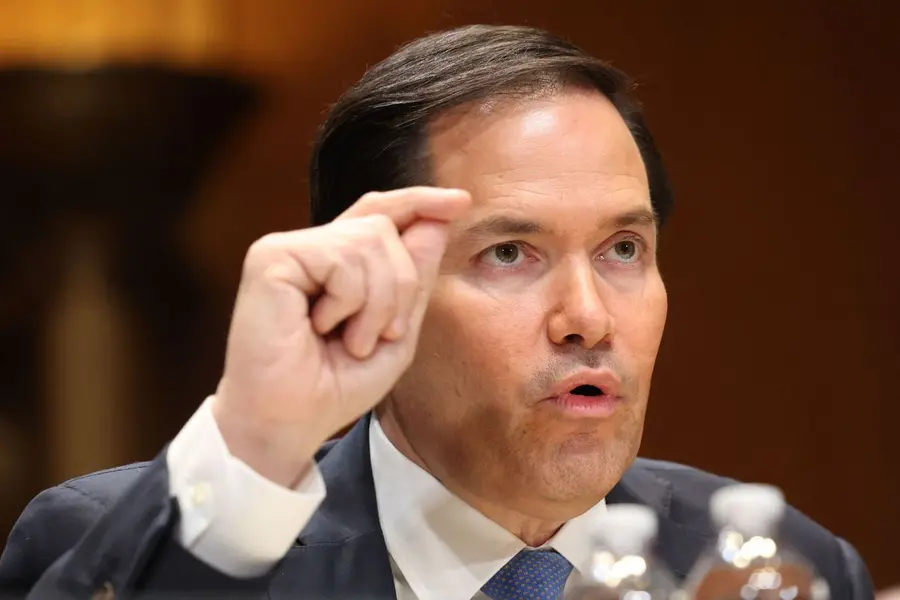
Washington DC: US Secretary of State Marco Rubio defended the operation to capture Venezuelan President Nicolas Maduro, telling lawmakers that the US had a carefully structured plan. “The bottom line is, we’ve gone into great detail with them about the planning. We described it to them. In fact, it’s not just winging it,” Rubio said.
The operation has drawn attention for its geopolitical consequences. Analysts note it could be both a benefit and a burden for Russian President Vladimir Putin, whose previous attempts to support allies in Syria and Ukraine ended in setbacks. With the US asserting control in Venezuela, Russia risks losing strategic influence in the Western Hemisphere and billions of dollars invested in Venezuelan oil.
Also Read

Trump’s moves, including interest in Greenland, have also raised concerns among Western allies, potentially diverting attention from ongoing US-led efforts in Ukraine. Russia has denounced the Venezuela operation as a violation of international law, while former Russian President Dmitry Medvedev acknowledged the US’s assertive defence of its interests.
The US seized two sanctioned oil tankers linked to Venezuela, one flagged to Russia, amid the escalating situation. Experts note that Russia has historically sought to justify its actions in Ukraine as protecting its sphere of influence, drawing parallels with US presence in the Americas.
Discussions in 2019 under the Trump administration hinted at possible arrangements where Russia could cede influence in Venezuela in exchange for freedom in Europe, but no formal deal was made. Fiona Hill, former National Security Council adviser, said she could not confirm if such talks are now occurring under Trump’s second term.
Before Maduro’s capture, Russia reportedly evacuated diplomat families from Venezuela, possibly after a “courtesy heads-up” from US envoys. Analysts suggest a tacit understanding may be emerging between Washington, Moscow, and Beijing regarding spheres of influence in Venezuela and Ukraine.
While Russia and China have invested heavily in Venezuela, military experts say establishing a permanent Russian military foothold in the Americas would face significant logistical challenges.
Published: 07 Jan 2026, 10:56 pm IST
Related Topics
Disclaimer: Kindly avoid objectionable, derogatory, unlawful and lewd comments, while responding to reports. Such comments are punishable under cyber laws. Please keep away from personal attacks. The opinions expressed here are the personal opinions of readers and not that of Mathrubhumi.