
Rawalpindi enforces Section 144 ban on public gatherings (Dec 1-3) due to Imran Khan death rumors. Urgent security measures to prevent unrest. Click for details!
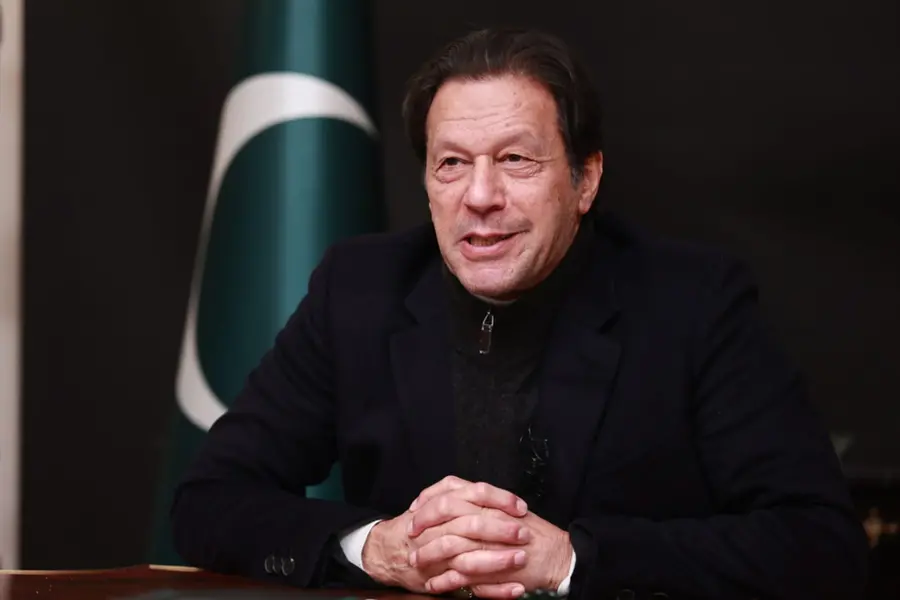
Rawalpindi: Authorities in Rawalpindi have imposed Section 144 for three days, from 1 to 3 December, as tensions rise over rumours surrounding former Pakistan Prime Minister Imran Khan’s death and growing concerns of potential unrest.
The order, issued by Deputy Commissioner Dr. Hassan Waqar Cheema, bans all public gatherings across the district, Pakistani daily Dawn reported.
Ban on public gatherings as PTI supporters mobilise
The restrictions come as Pakistan Tehreek-e-Insaf (PTI) supporters prepare demonstrations demanding access to Imran Khan, who has been in prison since last year. Planned PTI rallies in the garrison city triggered fears that protests could escalate, especially amid circulating claims regarding Khan’s condition.
Under the notification, all assemblies of five or more people are prohibited. The ban covers: Public meetings, rallies and processions, sit-ins, dharnas, jalsas, any similar group activity.
Strict restrictions on movement and possession of weapons
The order also bars citizens from carrying items that could be used as weapons, including: Batons and wooden sticks, spikes and sling shots, ball bearings, petrol bombs, improvised explosives.
Display of firearms is prohibited for everyone except law enforcement personnel.
Additional restrictions include a ban on pillion riding and a complete prohibition on the use of loudspeakers throughout Rawalpindi district. Any attempt to remove police barricades stationed to control crowds or traffic will be treated as a violation of Section 144.
Authorities cite Intelligence warnings
The Rawalpindi administration has defended the measures as crucial to preventing coordinated acts of violence. The order states there is an “imminent threat within the limits of District Rawalpindi,” and that the restrictions are intended to safeguard public peace and security.
According to officials, the District Intelligence Committee (DIC) has provided specific intelligence indicating that some groups may be attempting to mobilise large gatherings with the potential to become disruptive. These elements could target “soft locations” or carry out activities near key installations and sensitive points across the district.
Published: 02 Dec 2025, 10:05 am IST
Related Topics
Disclaimer: Kindly avoid objectionable, derogatory, unlawful and lewd comments, while responding to reports. Such comments are punishable under cyber laws. Please keep away from personal attacks. The opinions expressed here are the personal opinions of readers and not that of Mathrubhumi.
