
IATA has urged the International Civil Aviation Organization (ICAO) to raise the retirement age for commercial pilots from 65 to 67.
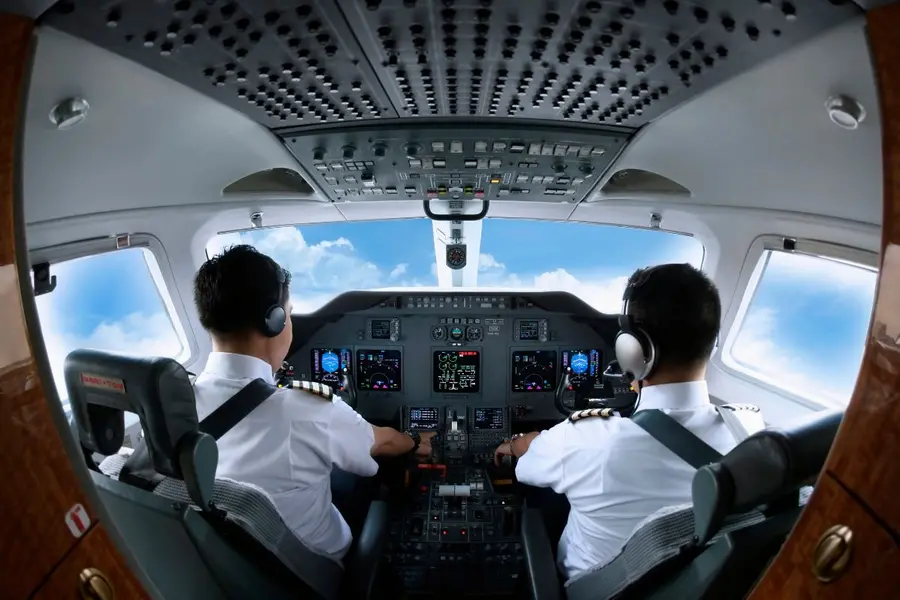
The global aviation industry is facing one of its toughest human resource challenges in decades, a shortage of pilots. Now, the International Air Transport Association (IATA) is calling for an extension of the mandatory retirement age for pilots, a move that could reshape the cockpit workforce worldwide.
IATA has urged the International Civil Aviation Organization (ICAO) to raise the retirement age for commercial pilots from 65 to 67. The proposal will be tabled at ICAO’s General Assembly in Montreal later this year, where regulators from 193 member states will debate the matter.
Why the sudden push?
The demand for pilots has far outpaced supply since global aviation began recovering from the COVID-19 pandemic. Several factors have converged to create this crunch:
- Pandemic-era retirements: Thousands of senior pilots took early retirement packages in 2020–21, when airlines grounded fleets and cut costs.
- Training disruptions: Flight schools and simulators shut down during the pandemic, creating a backlog in the cadet pipeline. Even today, training capacity is struggling to keep pace with demand.
- Surging passenger traffic: Air travel has roared back beyond pre-pandemic levels, especially in Asia and the Middle East, intensifying the need for more cockpit crew.
- Massive aircraft orders: Airlines are ordering at record levels. In India alone, carriers have placed orders for more than 1,500 new aircraft, requiring an estimated 30,000 new pilots over the next two decades.
What the change would mean
Proponents argue that allowing experienced pilots to fly until 67 could provide much-needed short-term relief. Airlines could retain captains already trained on complex aircraft types, reducing the immediate strain while new pilots are trained.
But there are concerns. Pilot unions and safety advocates point out that medical and cognitive testing standards beyond 65 are not yet harmonised worldwide. Differences in how countries implement such a rule could also complicate international operations. For example, a pilot cleared to fly until 67 in one jurisdiction may face restrictions on flights into countries that maintain the 65 limit.
For India, one of the fastest-growing aviation markets globally, the debate carries particular weight. With its airlines on an expansion spree and passenger traffic rising at double-digit rates, India’s pilot training ecosystem is under pressure. While new training academies and simulator centres are coming online, the pipeline still lags the scale of demand.
Extending the retirement age could temporarily ease shortages, but industry experts caution it is only a stopgap. The real solution lies in building training capacity, streamlining licensing, and future-proofing the aviation workforce.
ICAO’s General Assembly is expected to debate and vote on the proposal later this year. If adopted, it would set a new global standard, though individual countries would still need to implement it into national regulations.
For passengers, the debate may feel distant. But behind every flight cancellation or route suspension due to “crew unavailability” lies the reality of this global talent crunch. How regulators balance safety, workforce sustainability, and operational continuity will shape the skies in the years ahead.
Published: 28 Aug 2025, 05:50 pm IST
Related Topics
Disclaimer: Kindly avoid objectionable, derogatory, unlawful and lewd comments, while responding to reports. Such comments are punishable under cyber laws. Please keep away from personal attacks. The opinions expressed here are the personal opinions of readers and not that of Mathrubhumi.
