
The Duke of York has given up all remaining royal titles following renewed scrutiny over his links to convicted sex offender Jeffrey Epstein and allegations of sexual abuse
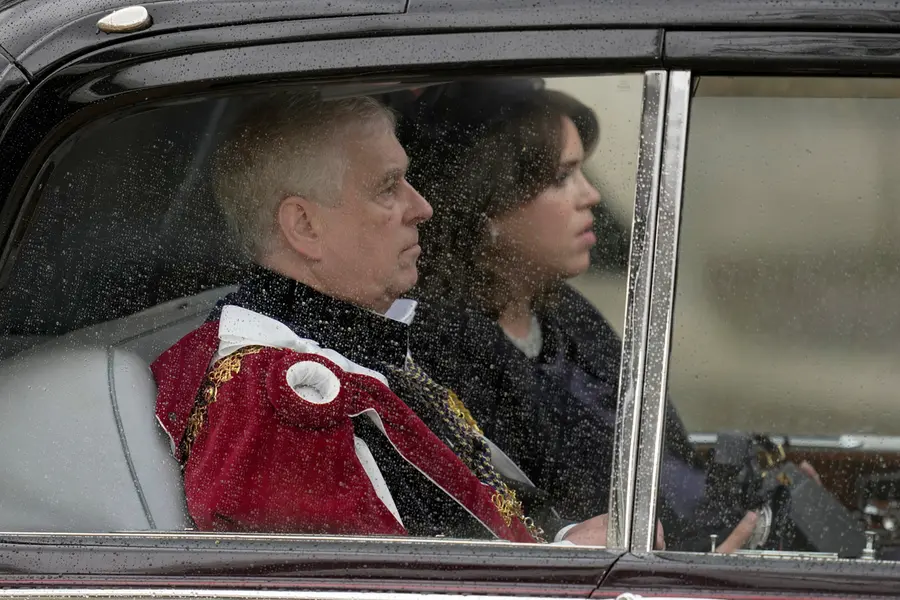
Britain’s Prince Andrew has formally renounced all his remaining royal titles and honours amid continued controversy surrounding his association with the late financier Jeffrey Epstein and sexual abuse allegations that have overshadowed his public life for years.
The 65-year-old Duke of York, younger brother to King Charles III, made the decision following fresh public outrage and the resurfacing of evidence tying him to Epstein. The announcement marks the final step in Andrew’s withdrawal from royal life, which began in 2019 after a disastrous BBC interview intended to clear his name but which instead invited ridicule and disbelief.
Also Read

Prince Andrew’s downfall stems from long-standing questions over his relationship with Epstein, who was convicted of sex offences involving minors. The controversy escalated after Virginia Giuffre, a survivor of Epstein’s trafficking network, accused Andrew of sexually abusing her when she was a teenager. Although he denied all allegations, the prince reached a confidential settlement with Giuffre in a U.S. civil lawsuit in 2022.
New disclosures — including an email showing Andrew remained in contact with Epstein even after claiming to have cut ties — have intensified pressure on him. Excerpts from Giuffre’s forthcoming memoir have also reignited public anger, prompting renewed calls for accountability.
Over the years, Andrew was stripped of his military duties, royal patronages, and the right to use the title “His Royal Highness.” His latest decision removes his remaining titles — including Duke of York, Earl of Inverness, Baron Killyleagh, and membership in the Order of the Garter. His former wife, Sarah Ferguson, will also lose her Duchess of York title, though their daughters, Princess Beatrice and Princess Eugenie, will retain their royal designations.
From decorated naval officer to disgraced royal, Prince Andrew’s trajectory reflects how personal conduct and questionable associations can erode centuries of privilege and public trust. With Giuffre’s memoir and possible new revelations ahead, scrutiny of Andrew’s past appears far from over.
Prince Andrew, once regarded as one of the most active members of the British royal family, has faced unrelenting criticism for his friendship with Jeffrey Epstein. Epstein was arrested in 2019 on charges of sex trafficking minors and died in prison shortly after, in what was officially ruled a suicide.
The fallout from the scandal led to Andrew’s gradual isolation from royal duties. His 2019 BBC interview, during which he claimed to have no recollection of meeting Giuffre and famously stated that he could not sweat, backfired dramatically, becoming a source of public ridicule.
In the years since, Buckingham Palace has sought to distance the monarchy from Andrew’s legal and reputational troubles. The latest developments come amid broader efforts by King Charles III to streamline and modernise the royal family’s public image.
Giuffre’s upcoming memoir is expected to include new details about her experiences within Epstein’s network and her interactions with Andrew, fuelling renewed scrutiny of his past. Observers say the prince’s full renunciation of titles is likely aimed at preventing further damage to the monarchy’s standing.
While Andrew continues to maintain his innocence, his fall from grace stands as one of the most significant royal scandals in recent British history — one that continues to reverberate through the corridors of Buckingham Palace.
Published: 18 Oct 2025, 09:50 pm IST
Disclaimer: Kindly avoid objectionable, derogatory, unlawful and lewd comments, while responding to reports. Such comments are punishable under cyber laws. Please keep away from personal attacks. The opinions expressed here are the personal opinions of readers and not that of Mathrubhumi.