
Arnett spent decades reporting from front lines across Asia and the Middle East
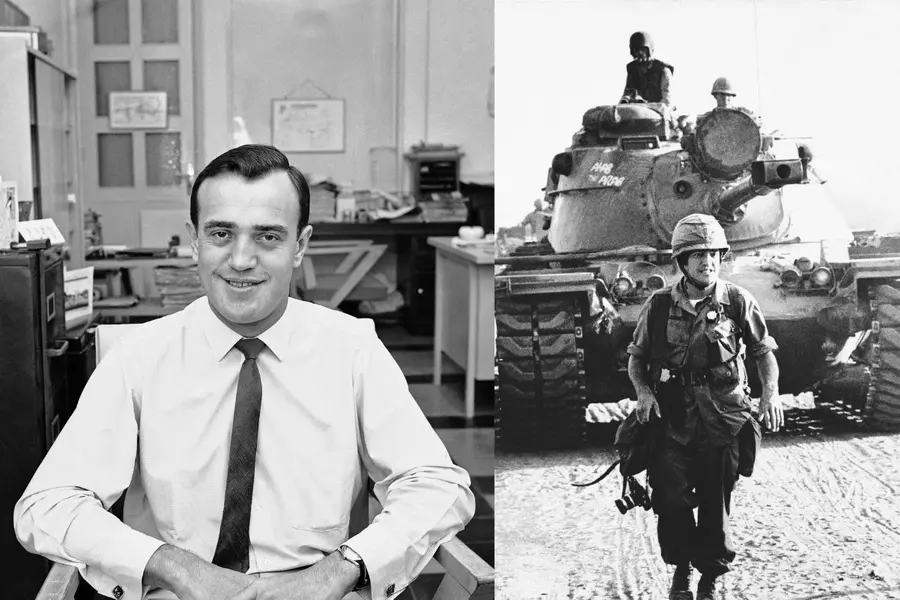
Los Angeles: Peter Arnett, the Pulitzer Prize-winning journalist whose eyewitness reporting from some of the world’s bloodiest conflicts helped define modern war correspondence, has died while in hospice at the age of 91.
Arnett died on Wednesday in Newport Beach, California, after suffering from prostate cancer, his son Andrew said. He had been receiving hospice care since Saturday and was surrounded by relatives and close friends.
Also Read

Early life and career beginnings
Born on November 13, 1934, in Riverton, New Zealand, Peter Arnett began his journalism career at the Southland Times soon after leaving school. Intending to move to London, he instead travelled to Asia, working for the Bangkok World and later in Laos. His early experiences covering regional conflicts paved the way for his recruitment by the Associated Press (AP), launching a career spanning decades of frontline war reporting.
Vietnam War and Pulitzer Prize
Arnett arrived in Vietnam in 1962 as AP’s correspondent in Indonesia before moving to Saigon. There, he covered the Vietnam War alongside journalists Malcolm Browne and Horst Faas. His reporting earned him the 1966 Pulitzer Prize for international reporting, establishing him as one of the foremost war correspondents of his generation. He remained in Vietnam until the fall of Saigon in 1975, preserving bureau records now held in the AP archives.
Joining CNN in 1981, Arnett gained global recognition during the 1991 Gulf War, broadcasting live from Baghdad as US-led forces launched airstrikes. His calm, accurate reports from the frontlines brought the realities of modern warfare into viewers’ homes, cementing his reputation as a fearless correspondent.
Interviews and global coverage
Over his career, Arnett interviewed world figures including Saddam Hussein and Osama bin Laden. His memoir, Live From the Battlefield: From Vietnam to Baghdad, 35 Years in the World’s War Zones (1995), documented decades of reporting from some of the most dangerous regions on earth.
Later controversies and teaching career
Arnett faced controversies, resigning from CNN in 1999 over a withdrawn report on sarin gas use and later leaving NBC and National Geographic in 2003 after a critical interview with Iraqi state TV. Despite setbacks, he continued reporting for international networks and later turned to teaching at Shantou University in China, retiring in 2014.
Personal life and death
Peter Arnett died in hospice care on Wednesday, December 17, 2025, at age 91, after battling prostate cancer. He is survived by his wife, Nina Nguyen, and their two children, Elsa and Andrew.
Remembered as a journalist who risked his life to bring truth from war zones, Arnett’s work defined modern war correspondence and left an indelible mark on global journalism.
(With AP inputs)
Published: 18 Dec 2025, 08:34 am IST
Related Topics
Disclaimer: Kindly avoid objectionable, derogatory, unlawful and lewd comments, while responding to reports. Such comments are punishable under cyber laws. Please keep away from personal attacks. The opinions expressed here are the personal opinions of readers and not that of Mathrubhumi.