
The move escalated tensions with Caracas and raising questions about the economic and political impact on both Venezuela and the United States
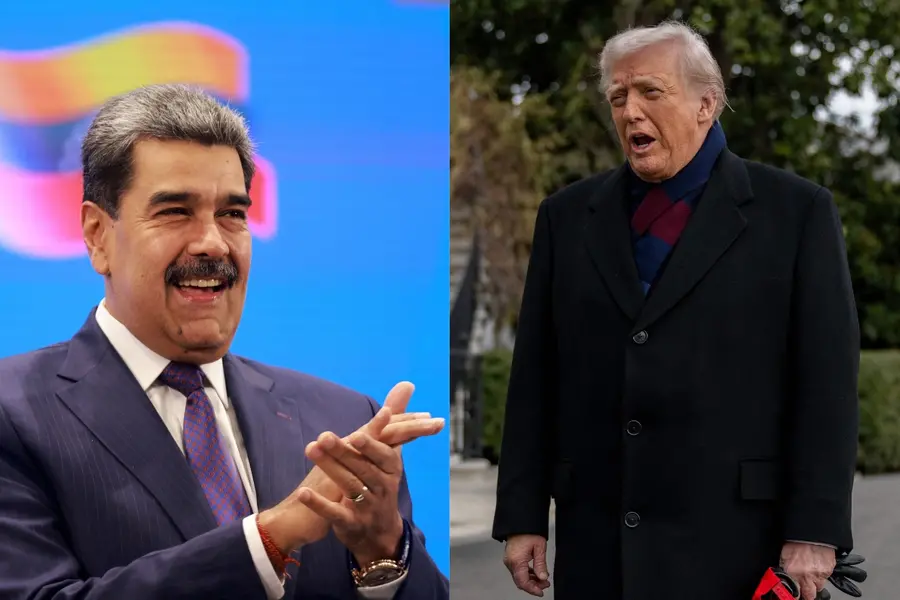
Washington DC: US President Donald Trump has announced a “total and complete blockade” on all sanctioned oil tankers entering or leaving Venezuela on Wednesday, escalating tensions with Nicolás Maduro’s government as military assets gather in the region.
US President Donald Trump on 16 December 2025 directed a “total and complete blockade” of all sanctioned oil tankers entering or leaving Venezuela, sharply escalating pressure on President Nicolás Maduro’s government and heightening geopolitical and energy market tensions.
What the blockade means
Trump’s announcement, posted on his Truth Social platform, declared that Venezuela’s government had been designated a foreign terrorist organisation and cited alleged involvement in terrorism, drug smuggling and human trafficking. The president said the blockade aims to prevent sanctioned vessels carrying Venezuelan crude from operating and demanded the return of assets he asserts were “stolen” by Maduro’s administration.
The blockade follows a US seizure on 10 December of a sanctioned tanker off Venezuela’s coast, an operation Trump framed as part of broader efforts to disrupt illicit oil shipping. US officials have moved thousands of troops and almost a dozen warships, including an aircraft carrier, into the region as part of heightened military activity.
Global oil markets respond
Markets reacted swiftly. Brent and West Texas Intermediate crude futures rose sharply after the announcement, reflecting concerns that Venezuelan exports—already constrained by sanctions and tanker seizures—could be further disrupted. Analysts suggest the blockade may affect 0.4–0.5 million barrels per day of supply, contributing to price volatility amid already fragile global demand.
International and regional reactions
Venezuela’s government and regional allies condemned the US actions. Maduro’s administration labelled the tanker seizure and blockade “theft” and “piracy,” with Caracas preparing to lodge complaints with international bodies and accusing neighbouring countries such as Trinidad and Tobago of complicity in the operation. Venezuela also suspended natural gas agreements with Trinidad and Tobago, accusing it of aiding the US in the tanker interception.
The blockade has drawn criticism from legal experts and some US lawmakers who argue that such a naval blockade without congressional authorisation could constitute an act of war. Other governments, including Russia, have expressed solidarity with Venezuela, warning against what they describe as unilateral US aggression.
Impact on Venezuela’s economy
Venezuela’s economy, heavily dependent on oil exports for revenue and foreign exchange, faces heightened strain as tanker traffic slows and export routes become riskier. Independent estimates indicate that the government’s dollar supply has fallen significantly in 2025, and further disruption could deepen inflation and hardship for Venezuelans.
Broader implications
The blockade reflects an intensification of the US’s pressure campaign against the Maduro government. In addition to sanctions and tanker interdictions, the administration has conducted strikes on vessels it associates with drug trafficking in Caribbean and Pacific waters, and moved military assets closer to Venezuelan waters. Critics warn that the increasingly aggressive approach could destabilise regional relations and complicate diplomatic efforts on wider energy security issues.
Published: 17 Dec 2025, 09:37 am IST
Disclaimer: Kindly avoid objectionable, derogatory, unlawful and lewd comments, while responding to reports. Such comments are punishable under cyber laws. Please keep away from personal attacks. The opinions expressed here are the personal opinions of readers and not that of Mathrubhumi.
