
India has formally protested against threats to its High Commission in Dhaka and provocative remarks targeting the Northeast, warning Bangladesh over rising extremist activity.
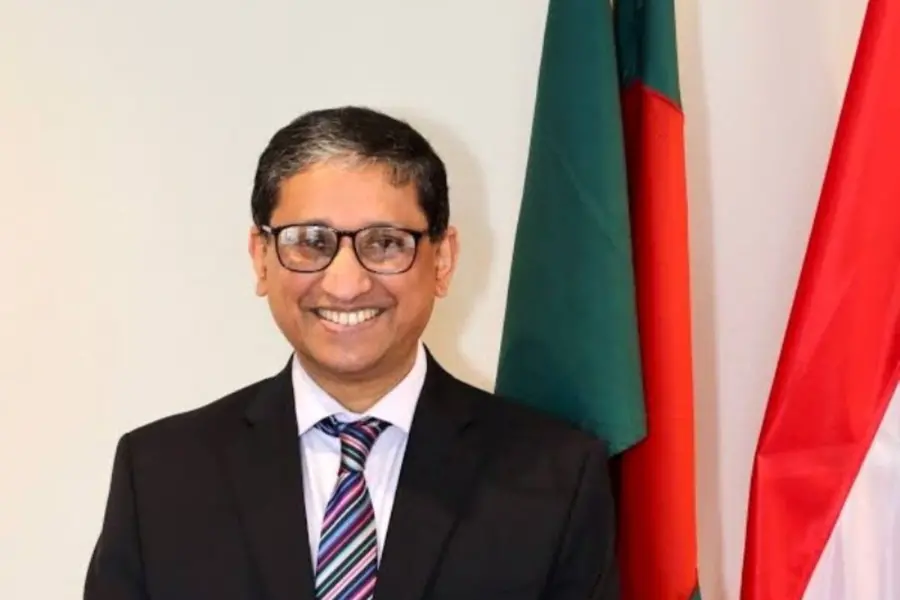
India on Wednesday summoned Bangladesh’s High Commissioner in New Delhi, Muhammad Riaz Hamidullah, to lodge a formal diplomatic protest over threats to the Indian High Commission in Dhaka and a series of inflammatory anti-India remarks made by Bangladeshi political leaders.
The summons followed provocative statements by a leader of Bangladesh’s National Citizen Party (NCP), who claimed that Dhaka would shelter forces hostile to India and help sever the country’s northeastern region — commonly referred to as the “Seven Sisters” — from the rest of India.
In a statement, the Ministry of External Affairs said the Bangladeshi envoy was apprised of India’s “strong concerns” over the deteriorating security situation in Bangladesh, particularly threats directed at Indian diplomatic premises.
“His attention was drawn, in particular, to the activities of extremist elements who have announced plans to create a security situation around the Indian Mission in Dhaka,” the ministry said.
India firmly rejected what it described as a “false narrative” being pushed by extremist groups in connection with recent developments in Bangladesh. The ministry also expressed disappointment over the interim government’s response.
“It is unfortunate that the interim government has neither conducted a thorough investigation nor shared meaningful evidence with India regarding the incidents,” the statement said.
Reiterating New Delhi’s long-standing ties with Bangladesh, the ministry said relations between the two countries are rooted in the 1971 Liberation War and have since been strengthened through development cooperation and people-to-people links.
“India is in favour of peace and stability in Bangladesh and has consistently called for free, fair, inclusive and credible elections in a peaceful atmosphere,” it said, adding that India expects the interim government to ensure the safety and security of diplomatic missions in line with international obligations.
The ‘Seven Sisters’ Remark
The controversy intensified after NCP leader Hasnat Abdullah claimed at a protest rally organised by Inqilab Mancha that India’s northeastern states would be “separated from India.” He repeated allegations that those accused in an attack on student leader Osman Hadi were being backed by India — claims New Delhi has categorically denied.
The remarks came as Bangladesh marked its 55th Victory Day earlier this week.
India has maintained that the interim government must take all necessary steps to maintain internal law and order and ensure peaceful conditions, including for the conduct of elections.
Rising Anti-India Sentiment
Since the ouster of former Prime Minister Sheikh Hasina, Bangladesh has witnessed political flux, accompanied by a rise in radical Islamist influence and repeated attempts to undermine the legacy of the 1971 Liberation War. Anti-India rhetoric has increasingly surfaced across political platforms, including statements targeting India’s northeastern region.
Amid growing security concerns, prohibitory orders were imposed on Wednesday along parts of the India-Bangladesh border in Assam’s Cachar district to prevent illegal movement. Authorities said the restrictions were aimed at thwarting possible cross-border activity by extremist elements that could disrupt peace and stability.
Published: 17 Dec 2025, 02:13 pm IST
Related Topics
Disclaimer: Kindly avoid objectionable, derogatory, unlawful and lewd comments, while responding to reports. Such comments are punishable under cyber laws. Please keep away from personal attacks. The opinions expressed here are the personal opinions of readers and not that of Mathrubhumi.
