
New Zealand has announced a bold plan to eradicate feral cats nationwide by 2050 as part of its Predator Free 2050 strategy aimed at protecting endangered native wildlife.
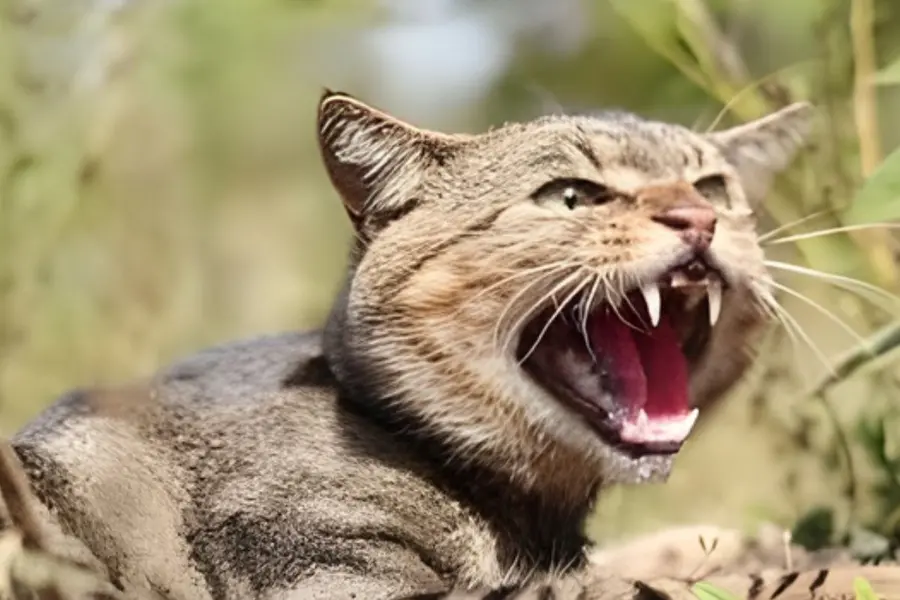
New Zealand: New Zealand has announced plans to eradicate feral cats nationwide by 2050 in an effort to protect its vulnerable native wildlife. Conservation Minister Tama Potaka described the animals as “stone-cold killers” and confirmed they will be added to the Predator Free 2050 programme, a government initiative launched in 2016 to eliminate invasive species harmful to birds, bats, lizards and insects, CNN reported.
Potaka noted that feral cats live entirely independent of humans and survive solely through hunting, unlike domestic pets. He stressed that controlling their population is essential to preserving New Zealand’s unique biodiversity, which includes species found nowhere else in the world.
Feral cats are responsible for widespread predation across the country. On Rakiura/Stewart Island, they have pushed the southern dotterel (Pukunui) to the brink of extinction. In another incident, more than 100 short-tailed bats were killed within a week near Ohakune on the North Island.
It is estimated that over 2.5 million feral cats live in New Zealand’s forests and offshore islands. They can grow up to 1 metre long, including the tail, and weigh as much as 7 kg.
“Feral cats are now found across Aotearoa New Zealand, from farms to forests, and they put huge pressure on native birds, bats, lizards and insects,” Potaka said. He added that feral cats also transmit toxoplasmosis, a parasite that can threaten dolphins, impact human health and cause significant financial losses for farmers by infecting livestock.
Potaka emphasised that the government’s plan does not include domestic cats. “New Zealand is full of proud cat owners, and domestic pets are not part of this Predator Free target,” he said.
The Predator Free 2050 strategy has so far focused on eliminating ferrets, stoats, weasels, rats and possums. The addition of feral cats marks the first time a predator has been added to the list since the programme began, The Guardian reported. Removing feral cats, Potaka said, is expected to help restore biodiversity, protect heritage landscapes and reinforce the country’s ecological identity.
As part of the plan, the Department of Conservation (DOC) is trialling a new meat-based bait to control feral cats, The Gulf News reported. The method involves using a harmless bait initially to attract the cats, followed by a poisoned bait containing 1080, a chemical already used to control other pests. The proposal has attracted controversy due to concerns that other animals could also be affected.
DOC is continuing to develop its approach and plans to release a detailed feral cat management strategy by March 2026.
Published: 02 Dec 2025, 11:51 am IST
Related Topics
Disclaimer: Kindly avoid objectionable, derogatory, unlawful and lewd comments, while responding to reports. Such comments are punishable under cyber laws. Please keep away from personal attacks. The opinions expressed here are the personal opinions of readers and not that of Mathrubhumi.
