
Prime Minister KP Sharma Oli resigned amid the unrest. Protesters demanded an end to corruption, not social media
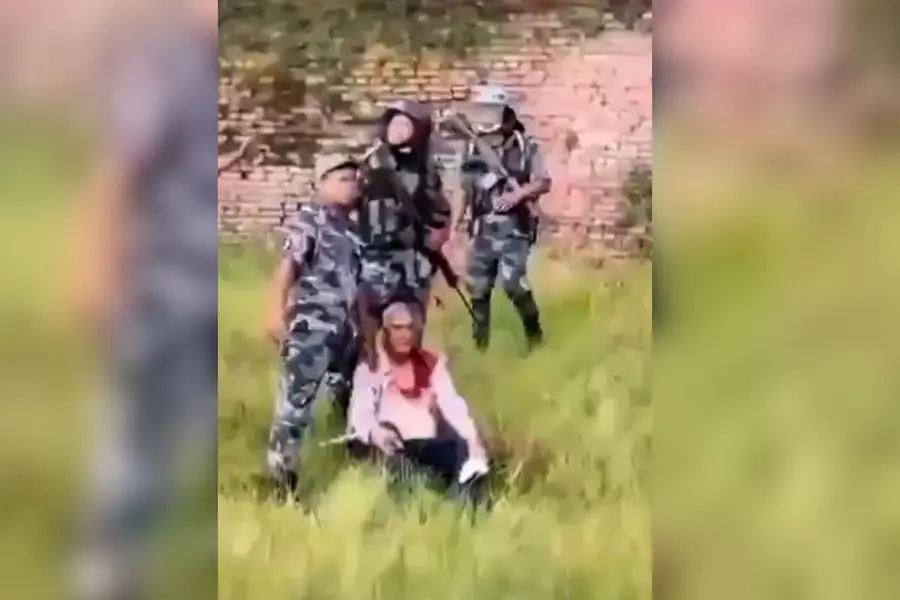
Kathmandu: A video clip showing Nepal’s former Prime Minister Sher Bahadur Deuba being attacked and injured by a furious mob has been widely circulated online. In the shocking footage, Deuba appears bloodied as he is rescued by security personnel from his residence in Kathmandu, following violent anti-corruption protests that have gripped the country.
Nepal is facing a severe crisis after large-scale youth-led anti-corruption protests erupted in Kathmandu and other regions, triggered by the government’s decision to ban access to major social media platforms.
The authorities blocked Facebook, YouTube, X and others, cutting off 26 sites nationwide in an attempt to curb unrest. The move backfired, acting as a catalyst for massive “Gen Z” demonstrations against official corruption and government privilege.
During the protests, former Prime Minister Sher Bahadur Deuba and his wife, Foreign Minister Arzu Rana Deuba, were attacked by angry demonstrators who forced their way into the Deuba family’s Budanilkantha home in Kathmandu. Reports confirm that Deuba was left bleeding after the assault and the house was desecrated before police intervened.
How did the protests escalate?
Clashes spread rapidly as mobs, mainly young men and women, set fire to the homes of top political figures, offices of political parties, and public buildings.
Even police stations were not spared, with several set ablaze by protestors. Video footage from Kathmandu showed intense street fights, including incidents where cabinet ministers, such as Finance Minister Bishnu Prasad Paudel, were chased and assaulted by protesters.
The protests have caused grave destruction and loss of life. At least 19 people are confirmed dead and more than 300 injured across the country, many as a result of police firing, with live rounds, rubber bullets, and tear gas used to disperse crowds. “Stop the ban on social media. Stop corruption, not social media,” protesters shouted as they clashed with security forces and occupied city streets.
What has been the political fallout?
Under growing pressure, Nepal’s Prime Minister KP Sharma Oli revoked the social media ban and then stepped down on Tuesday, amid a wave of violence and a collapsed government. Several ministers and parliamentarians have also resigned, unwilling to be associated with the crackdown.
Many officials, including prominent leaders, have been evacuated by security forces from their homes, with some ministers chased through Kathmandu by furious crowds.
Protest leaders say, “The future belongs to us”, as the uprising has been dominated by Nepal’s youth, frustrated by unemployment and fed up with the so-called “nepo kids” culture among political elites.
While the ban on social media platforms has been lifted, the situation across Nepal remains tense. Authorities have imposed curfews in several districts, and international observers have called for calm and meaningful dialogue. The United Nations has urged restraint from both sides, warning that “violence is not the answer” and that the voices of the youth must be heard.
Published: 10 Sept 2025, 10:38 am IST
Related Topics
Disclaimer: Kindly avoid objectionable, derogatory, unlawful and lewd comments, while responding to reports. Such comments are punishable under cyber laws. Please keep away from personal attacks. The opinions expressed here are the personal opinions of readers and not that of Mathrubhumi.
