
Nepal PM Balen Shah accepts India visit invite as his govt rolls out a sweeping 100-point reform agenda targeting VIP culture, bureaucracy, education and public services, with talks expected to focus on trade, connectivity and regional cooperation.
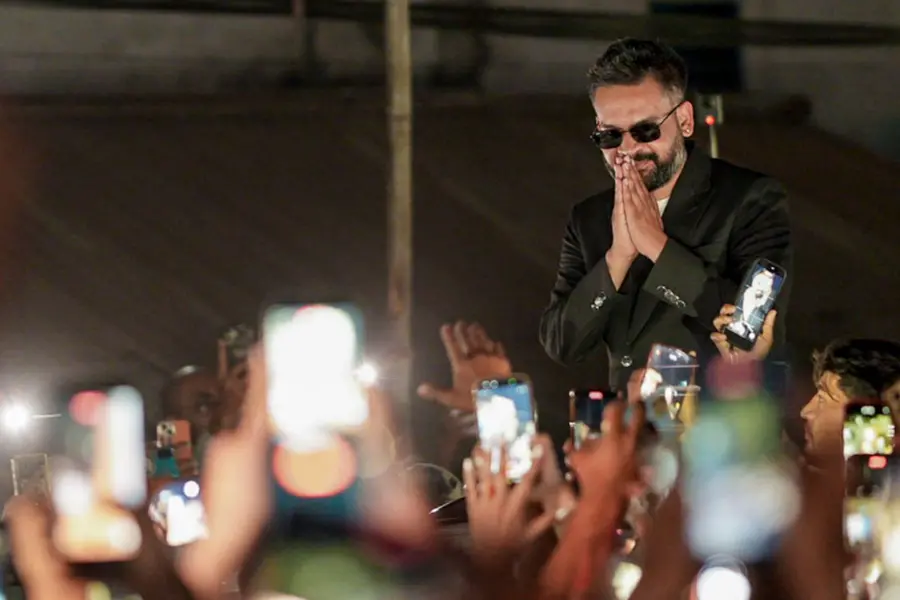
New Delhi/Kathmandu: Nepal Prime Minister Balendra 'Balen' Shah has accepted an invitation from Prime Minister Narendra Modi to visit India, marking his first major diplomatic outreach since taking office.
The visit, currently under preparation by both countries’ foreign ministries, signals a renewed phase in India-Nepal ties as Kathmandu simultaneously embarks on an ambitious domestic reform drive.
Nepal’s Foreign Minister Shishir Khanal confirmed that preparations are underway, underlining the importance of the visit in strengthening bilateral cooperation.
The last official visit by a Nepali Prime Minister to India was made by Pushpa Kamal Dahal 'Prachanda' in June 2023.
Crackdown on VIP culture and political influence
Back home, Shah has launched a sweeping 100-point governance agenda aimed at restructuring Nepal’s administrative and social framework.
A key focus of the reforms is dismantling entrenched VIP culture and reducing political interference across institutions.
The government has proposed cutting down the number of federal ministries to improve efficiency and reduce bureaucratic delays.
It has also moved to ban political affiliations within sections of the state machinery, a step seen as crucial in ensuring neutrality and professionalism in governance.
One of the most striking measures targets educational institutions. Party-affiliated student organisations in schools and universities are set to be dismantled within 90 days.
These will be replaced by non-partisan student councils, described as “Voice of Students” platforms, aimed at promoting independent representation.
“Schools and colleges will no longer serve as arenas for political activity but will function solely as centres of learning,” Shah said, signalling a decisive shift in policy.
Focus on public welfare and systemic efficiency
The reform blueprint also prioritises public service delivery and social welfare.
Measures include ensuring faster access to government services, expanding free healthcare access for economically weaker sections, and improving safety in public transport, particularly for women.
Additionally, the plan aims to create a stress-free academic environment for younger children by reducing systemic pressures in schooling.
Analysts view Shah’s dual approach, balancing bold domestic reforms with proactive foreign engagement, as an attempt to reposition Nepal both internally and on the global stage.
His upcoming India visit is expected to focus on trade, connectivity, and regional cooperation, further anchoring Nepal’s strategic ties with its largest neighbour.
Published: 14 Apr 2026, 07:37 am IST
Related Topics
Disclaimer: Kindly avoid objectionable, derogatory, unlawful and lewd comments, while responding to reports. Such comments are punishable under cyber laws. Please keep away from personal attacks. The opinions expressed here are the personal opinions of readers and not that of Mathrubhumi.
