
Former Tehelka editor Tarun Tejpal has approached the Supreme Court against his conviction and 10-year sentence in the 2013 rape case, while Goa seeks a harsher punishment.
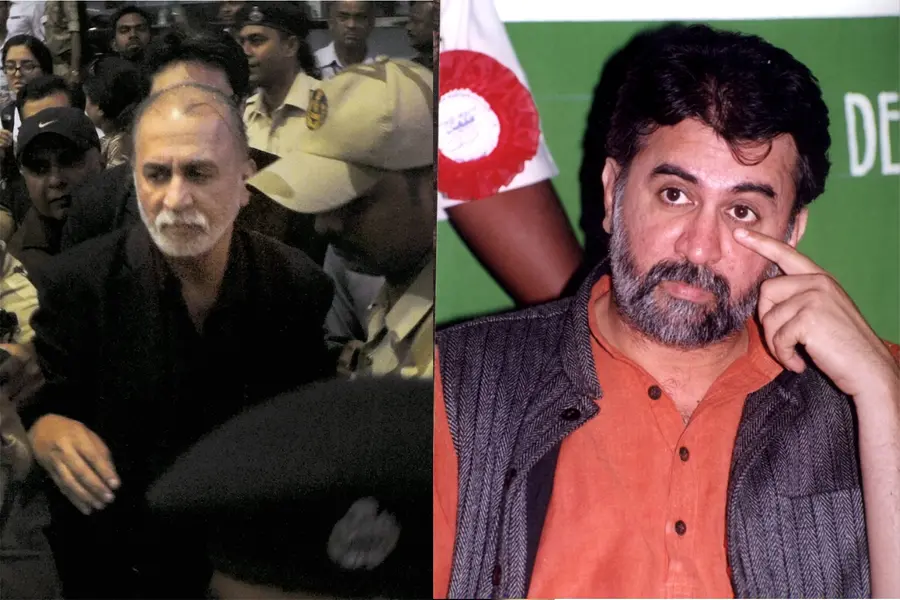
Mumbai: Former Tehelka editor-in-chief Tarun Tejpal has approached the Supreme Court against the Bombay High Court's recent conviction and 10-year prison sentence in a 2013 rape case involving a former colleague.
Tejpal's appeal comes days after the Goa Bench of the Bombay High Court overturned his acquittal by a Goa trial court and convicted him in the decade-old case.
Also Read

The High Court sentenced him to 10 years of rigorous imprisonment.
The case relates to allegations involving a former junior colleague during an official Tehelka event in Panaji, Goa, in 2013.
Goa government also approaches Supreme Court
The Goa government has separately challenged the sentence awarded to Tejpal and sought a harsher punishment.
Goa Advocate General Devidas J Pangam said the state had filed a Special Leave Petition before the Supreme Court challenging the quantum of sentence.
The government is seeking the maximum sentence, arguing that the 10-year term is inadequate for the offence.
According to Pangam, the state has argued that the passage of time should not be treated as a reason to impose a lesser sentence in a serious sexual offence.
The government has also raised arguments concerning the circumstances of the case and the treatment of the complainant during the proceedings.
High Court overturned 2021 acquittal
The Bombay High Court's Goa Bench convicted Tejpal on August 6, overturning his acquittal by the trial court in 2021.
The trial court had earlier acquitted Tejpal of the charges in the case.
The High Court subsequently imposed a 10-year rigorous imprisonment sentence.
Tejpal has now challenged both the conviction and the sentence before the Supreme Court.
What is the case about?
The case dates back to 2013 and concerns allegations made by a former Tehelka colleague against Tejpal.
Tejpal was charged under provisions of the Indian Penal Code relating to rape, sexual harassment and wrongful confinement.
He pleaded not guilty to the charges.
The prosecution and defence have contested the allegations and evidence throughout the long-running legal proceedings.
Goa seeks maximum sentence
The state government's appeal is limited to the question of the sentence imposed by the High Court.
Advocate General Pangam said the state believes the 10-year sentence does not adequately reflect the seriousness of the offence.
He argued that the long passage of time since the incident should not automatically work in favour of the accused when determining punishment.
The state has therefore asked the Supreme Court to consider a higher sentence.
What happens next?
Both Tejpal's challenge to his conviction and the Goa government's plea seeking a higher sentence are now before the Supreme Court.
The top court will determine whether to entertain the respective challenges and what further proceedings should follow.
The Supreme Court's consideration will therefore involve both the conviction challenged by Tejpal and the sentence challenged by the Goa government.
The case has now entered another stage after more than a decade of legal proceedings.
The immediate legal position is that the Bombay High Court has convicted Tejpal and sentenced him to 10 years in prison. Tejpal disputes that verdict and has approached the Supreme Court.
At the same time, the Goa government considers the punishment insufficient and is seeking a harsher sentence.
This creates two separate challenges before the Supreme Court: Tejpal is challenging the conviction and sentence, while the Goa government is challenging the sentence on the ground that it should be substantially higher.
The Supreme Court's eventual decision will determine whether the High Court's conviction and sentence stand, are modified or are otherwise dealt with through the appellate process.
Published: 20 Aug 2026, 12:31 pm IST
ABOUT THE AUTHOR
Disclaimer: Kindly avoid objectionable, derogatory, unlawful and lewd comments, while responding to reports. Such comments are punishable under cyber laws. Please keep away from personal attacks. The opinions expressed here are the personal opinions of readers and not that of Mathrubhumi.