
A major rescue operation is underway in Nepal after 350 people were pulled from a flooded hydropower tunnel. More than 100 remain trapped as rescuers battle mud, floods and damaged infrastructure.
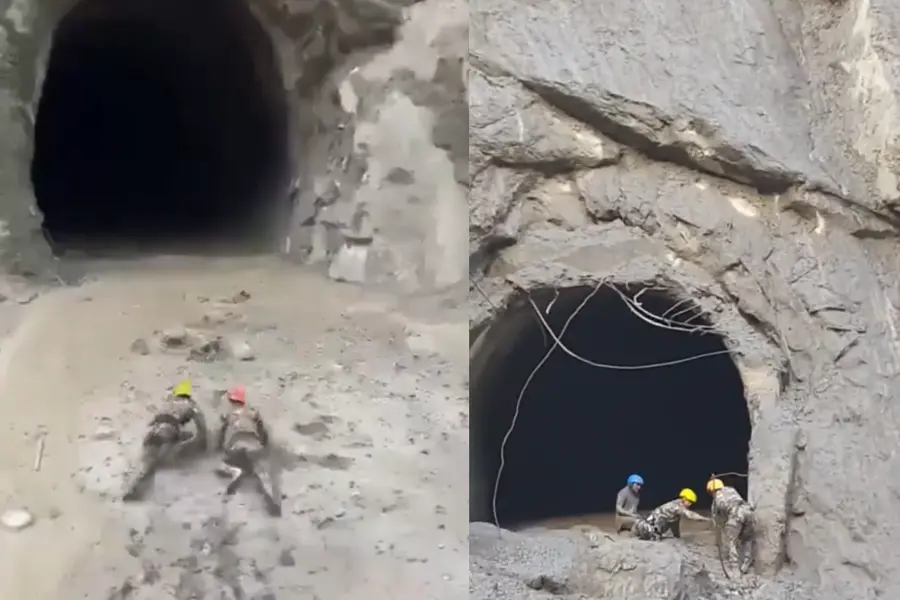
Nepal's rescue operation has entered a critical phase after 350 labourers and locals were rescued from a hydropower project tunnel, while more than 100 people remain trapped inside following devastating flash floods.
A Nepalese Army rescue team has successfully evacuated 350 labourers and local residents who were trapped inside a tunnel at the Trishuli 1 hydropower project following the devastating floods.
Also Read

Nepal Prime Minister Balendra Shah's office shared video of the operation, showing rescuers rappelling from a helicopter before crawling across a mud-covered slope to reach the tunnel entrance.
The rescue operation was described as extremely difficult because of adverse weather, flooding and the damage caused by the disaster.
More than 100 people still trapped
The rescue operation is continuing as troops try to reach more than 100 people who remain trapped inside the same tunnel.
Rescuers are working to safely evacuate those still inside while dealing with unstable terrain and continuing disruption caused by floodwater and mud.
Trishuli 1 project badly damaged
The 216-megawatt Trishuli 1 hydropower project is located in Nepal's Rasuwa district, one of the areas hardest hit by the flash floods.
The project was nearing completion before the disaster. Reports said the flood destroyed a large section of the upper dam and heavily damaged the base camp used by construction workers.
The project is being built with international financing, including support from the International Finance Corporation, Asian Development Bank and Asian Infrastructure Investment Bank.
Indian workers among those at project
India's Ministry of External Affairs spokesperson Randhir Jaiswal had earlier confirmed that Indian nationals were among the workers at the Trishuli 1 project.
Indian authorities have separately been working to trace nationals affected by the floods, including people who were working on hydropower projects and tourists stranded in the disaster-hit region.
Roads and bridges hamper rescue
The flash floods caused extensive destruction near the Nepal-China border, washing away roads and bridges and leaving several areas difficult to access.
Floodwater and thick deposits of mud have covered parts of villages and roads, further complicating the rescue effort.
Helicopters and ground teams are being used to reach areas that remain cut off.
Nepal flood crisis
The tunnel rescue comes as Nepal continues to deal with one of its most destructive recent flood disasters.
The flash floods were triggered by an ice-rock avalanche and glacial collapse near the Nepal-Tibet border, sending huge quantities of water, mud and debris downstream.
The disaster has killed hundreds and left more than a thousand people missing, including foreign tourists and workers.
With another potential flood threat emerging from a newly formed barrier lake upstream, rescue teams remain under pressure to locate survivors and evacuate people from vulnerable areas.
Published: 28 Aug 2026, 10:14 am IST
ABOUT THE AUTHOR
Related Topics
Disclaimer: Kindly avoid objectionable, derogatory, unlawful and lewd comments, while responding to reports. Such comments are punishable under cyber laws. Please keep away from personal attacks. The opinions expressed here are the personal opinions of readers and not that of Mathrubhumi.