
The World Health Organization has warned that more hantavirus cases could emerge following an outbreak linked to a cruise ship that has already resulted in three deaths.
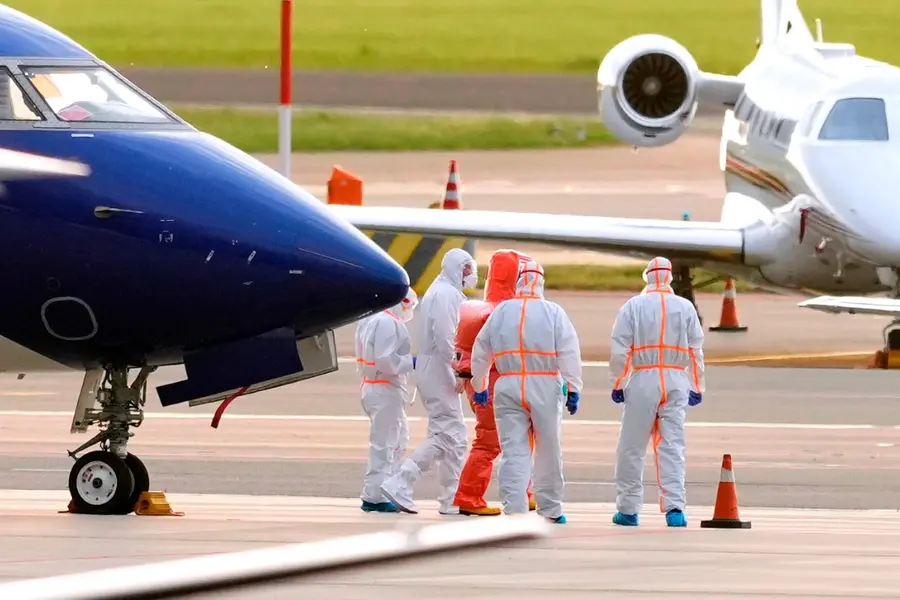
Geneva: The World Health Organization (WHO) has said that additional hantavirus cases may still appear after an outbreak connected to the cruise ship MV Hondius, though it expects the situation to remain limited if proper public health measures are followed.
The alert comes after three deaths and several confirmed or suspected infections were reported among passengers travelling on the MV Hondius across multiple countries.
Also Read

The outbreak has drawn international attention after three passengers died and several others were confirmed or suspected to be infected while travelling on the vessel, which was operating a long voyage across the Atlantic.
According to health officials, a total of at least five confirmed and three suspected cases have been identified so far, including fatalities involving passengers who had travelled through South America before boarding the ship in Argentina.
One of the earliest cases involved a Dutch couple who fell ill during the voyage. The man died aboard the ship, while his wife later died in South Africa after disembarking. Another German passenger also died, raising concerns among health authorities tracking the spread.
The WHO stated that the strain involved appears to be the Andes virus, a rare form of hantavirus capable of human-to-human transmission in limited conditions. Officials warned that the incubation period can last up to six weeks, meaning further cases cannot be ruled out yet.
Health agencies across multiple countries, including the Netherlands, Germany, Switzerland, the United Kingdom and South Africa, are currently monitoring passengers and crew who were onboard or had contact with the affected individuals.
Despite the alarm, WHO officials emphasised that the outbreak is expected to remain limited if strict containment, tracing and isolation measures are maintained across all affected regions.
Hantavirus is typically transmitted from rodents to humans and can cause severe respiratory and cardiac complications. There is currently no vaccine or specific cure for the disease, making early detection and prevention crucial.
Investigations are ongoing to determine the exact source of the infection. Argentine authorities have also begun environmental testing, including rodent sampling in ports linked to the ship’s departure.
Officials involved in the response have described the risk to the wider public as low, while continuing coordinated international efforts to track possible exposures linked to the cruise route.
(With AFP inputs)
Published: 08 May 2026, 11:14 am IST
Related Topics
Disclaimer: Kindly avoid objectionable, derogatory, unlawful and lewd comments, while responding to reports. Such comments are punishable under cyber laws. Please keep away from personal attacks. The opinions expressed here are the personal opinions of readers and not that of Mathrubhumi.